

3-Carat Diamond Rings: Dimensions, Settings, Fit and Value

A 3-carat diamond ring can make a substantial visual statement, but the weight alone does not establish how large it looks, how well it performs or what it should cost. Compare actual dimensions, cutting, identity and condition, then review a setting and profile suitable for the wearer. The right choice is personal rather than a rule about what looks too bold or too modest.
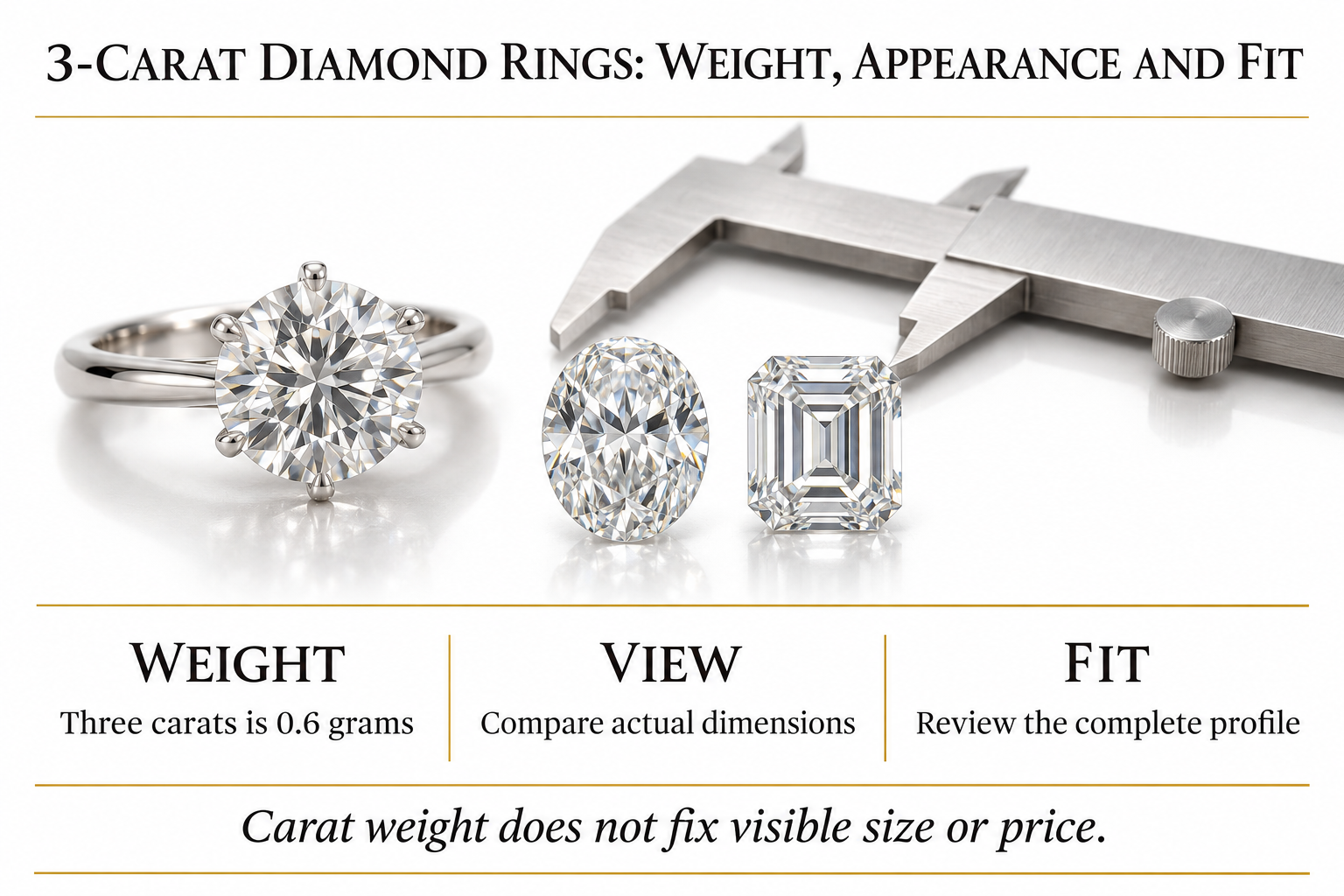
Three carats is a weight, not a fixed size or price. A 3-carat diamond weighs 0.6 grams. Compare actual dimensions, appearance and condition, then assess the whole setting, profile and current offer.
At a glance · Decide whether the overall presence suits the wearer · Separate carat weight from actual dimensions · Choose shape and assess cutting separately · Read identity, reports and condition together
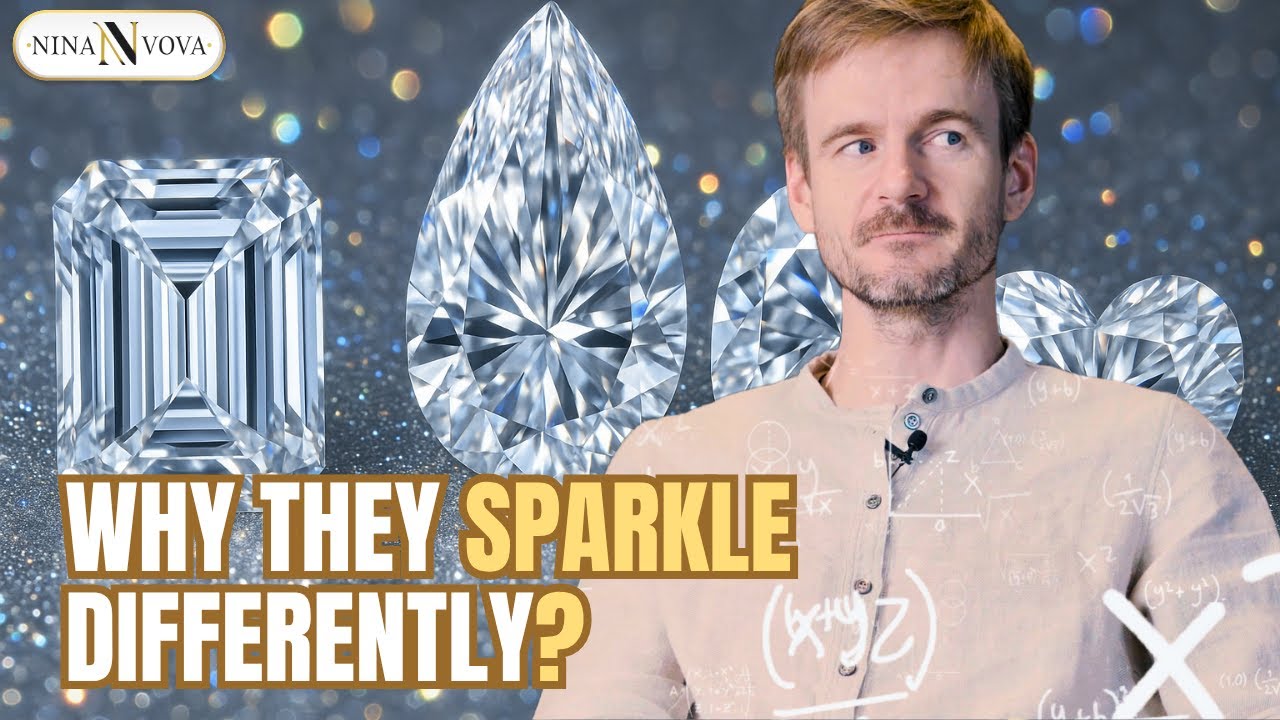
Watch the NinaVova discussion
Watch the original NinaVova video on YouTube.
The NinaVova diamond-shape discussion is a related companion for comparing outlines and light patterns. This written guide focuses on the practical decisions around a 3-carat center.
3-carat rings: the measurements and decisions that matter
| Question | Check | Avoid assuming |
|---|---|---|
| Weight | Three carats equals 0.6 grams | One fixed face-up diameter |
| Appearance | Actual dimensions and moving views | Heavier always looks larger |
| Identity | Natural or laboratory-grown status | A photograph proves origin |
| Condition | Report and relevant inspection | Scratch resistance means unbreakable |
| Setting | Support, height and band clearance | Prong count guarantees security |
| Cost | Current complete quote and terms | One price or insurance premium suits all |
Decide whether the overall presence suits the wearer
A large center can be appealing to one person and impractical for another. Neither preference measures taste, commitment or the importance of the relationship.
Look at realistic scale on the intended hand where possible. Enlarged photography and comparisons with other people’s rings can create a misleading expectation.
The setting, outline, surrounding stones and band width all contribute to presence. A 3-carat solitaire and a 3-carat center within a halo are different compositions.
Discuss the wearer’s comfort and routine before selecting weight as the fixed starting point. A different size may support the preferred design more comfortably.

Separate carat weight from actual dimensions
One carat is 0.2 grams, so a 3-carat diamond weighs 0.6 grams. This is mass rather than a fixed diameter or face-up area.
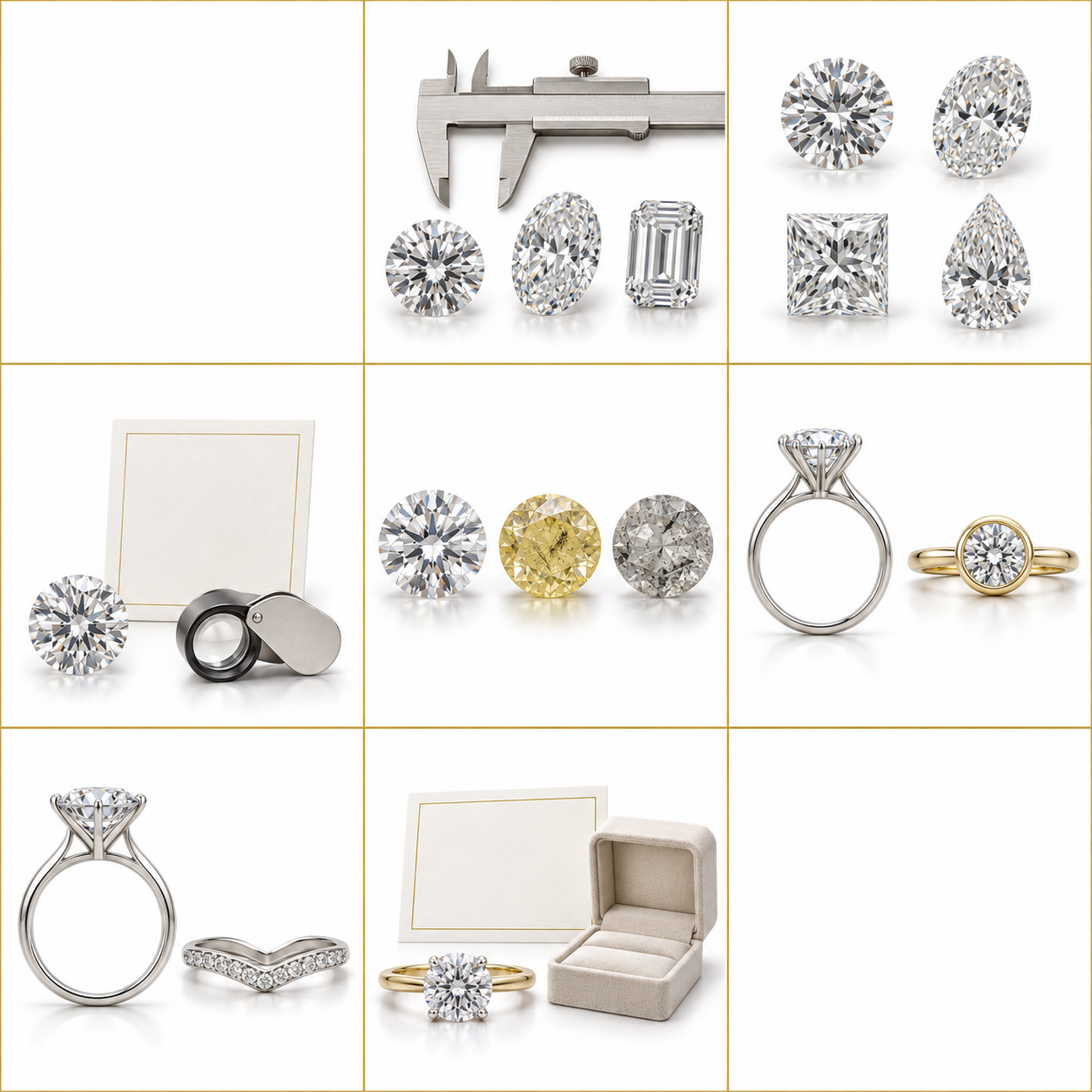
Different shapes, depths and proportions can have different dimensions at the same weight. Compare length, width and depth for each candidate.
Diamond-equivalent weight used for another material is not necessarily that material’s actual weight. Ask which measurement a description uses.
Do not rely on a generic size chart as a guarantee of the offered stone’s appearance. Actual measurements and a realistic scale reference are more useful.
Choose shape and assess cutting separately
Round, oval, princess, pear, emerald and other outlines can all be considered when suitable stones are available. No three shapes are compulsory for this weight.
Shape describes the outline and faceting style; the quality of the particular cutting affects the pattern of brightness and contrast.
View the actual diamond in motion and more than one ordinary light. A high color or clarity grade cannot automatically correct an optical appearance you do not enjoy.
Read any cut assessment within the particular report’s scope. Fancy shapes should not be assumed to receive exactly the same assessment as every standard round brilliant.
Read identity, reports and condition together
Confirm natural or laboratory-grown status, relevant treatment, weight, dimensions and report details. These descriptions should relate to the actual offered diamond.
Verify relevant report information directly with the issuer where appropriate. A grading report is different from a financial appraisal or a complete sourcing audit.
Clarity features vary in visibility and location. Ask about condition concerns near points, edges or other vulnerable areas rather than selecting a grade in isolation.
Diamond’s scratch resistance does not make it immune to chipping. A heavier stone still needs suitable support and care.
Compare colorless, colored and included diamonds accurately
A colorless appearance is one preference, while fancy colors or salt-and-pepper inclusions provide different visual character. They are not a universal order from good to bad.
Fancy-color descriptions, D-to-Z color grades and clarity characteristics answer different questions. Establish natural or treated color where relevant.
Salt-and-pepper diamonds remain diamonds. Their inclusions can influence transparency, appearance and practical condition without creating a different gemstone species.
Choose the actual look and evidence you want. A color nickname, black appearance or a rarity claim alone does not determine value or growth origin.
Plan a setting around the actual stone
Prongs, a bezel or another feasible structure should suit the diamond’s dimensions and condition. A familiar prong count is not a guarantee of security in every design.
A halo or pavé band changes the surrounding composition. It does not increase the center’s own weight, and small-stone detail introduces maintenance considerations.
Review the side profile, support and any exposed points. A substantial center should not be balanced on an unsuitable structure merely to achieve a delicate photograph.
Custom and ready-made rings both deserve assessment of the actual workmanship. Neither route automatically guarantees good or poor construction.
Check height, sizing and the neighboring band
Consider catching, contact with neighboring fingers and the combined width if a wedding band will be added. A front image does not reveal the whole wearing experience.
A straight band may need a gap, while a shaped partner may provide another option. Review potential rubbing near settings and stones.
Measure for the intended shank width and interior profile. Ask about resizing limits before approving complex or continuously gem-set designs.
Remove jewelry for impact, machinery and other unsuitable tasks. An impressive ring should still have a practical wearing plan.
Compare complete prices and ownership costs
Actual identity, weight, cutting, color, clarity, condition, availability and setting work affect the offer. There is no single reasonable price for every 3-carat diamond ring.
Compare equivalent current quotations and included services. An alternative material can provide another appearance or price option without being an identical diamond.
If considering insurance, ask the insurer what records it needs, what events are covered, exclusions, deductibles and replacement conditions. Do not assume a fixed premium or that one existing policy covers everything.
Keep receipts, reports and useful photographs. An appraisal or high purchase price does not guarantee future resale proceeds.
Choose the complete ring rather than a headline number
At NinaVova, the wearer’s preferred outline, proportions and budget can guide a comparison of actual candidates and feasible settings.
Existing photographs illustrate individual designs. Unless its stone records establish the weight, a photograph should not be treated as proof that a pictured ring is 3 carats.
Confirm final dimensions, material descriptions, care and current service terms in writing. A larger center still needs a plan for inspections and possible future work.
A considered 3-carat choice combines the presence you enjoy with suitable construction, comfortable fit and a complete offer you understand.

Frequently asked questions
Does every 3-carat diamond have the same diameter?
No. Shape, depth and proportions affect actual dimensions.
Does total carat weight mean the center is 3 carats?
No. A combined total can include accents; ask for center weight separately.
Is a large center necessarily too bold?
No. The wearer’s preference and the complete design determine the appropriate presence.
Compare the complete design at a realistic scale
We can discuss suitable actual diamonds, proportions and support within your preferred design and current budget.
Book a NinaVova consultation or explore our custom design process.
Continue reading: Emerald vs princess · F vs G color · Pavé setting.
Sources and further reading
- GIA: Diamond quality factors
- GIA: How to buy a quality diamond
- GIA: Protecting a diamond from chipping
- GIA: Guide to ring settings
- Jewelers Mutual: Insurance coverage questions
Confirm the actual materials, condition, evidence and current written terms for the offered ring. Illustrations do not establish identity, provenance, certification or an environmental footprint.