


Alexandrite Engagement Ring Guide — NinaVova Education
NinaVova · Learn before you choose
The alexandrite
engagement ring guide.
Understand true color change, natural and laboratory-grown identity, real stone examples, reports and a personal ring designed around both of its colors.

In this guide Choose a chapter
01 / Identity & genuine color change
Identity & genuine color change.
Begin with chrysoberyl identity and the wearer’s preference
Alexandrite is distinct from color-change sapphire, garnet, spinel and imitation materials. A similar visual effect does not make those stones the same mineral.
The appeal may be the shift in appearance, the individual color or a personal association. It does not need to represent one prescribed personality or relationship story.
Natural and laboratory-grown alexandrite are different origin categories. Both should be described clearly, while an imitation should be named as its actual material.
Choose the stone the wearer enjoys rather than assuming every person seeking an unconventional ring wants the same dramatic effect.
Compare the actual color change under stated lights
Alexandrite is associated with green-to-bluish-green appearances in daylight-type conditions and red-to-purplish-red appearances under incandescent-type illumination. Actual stones and lights vary.
Ask which lights were used for the offered images or video. Modern indoor lamps do not all reproduce the same spectral conditions.
Compare the same stone with stable exposure and useful scale. A heavily edited split image cannot establish the exact change you will see in everyday life.
Descriptions such as complete change or a numerical percentage need explanation. There is no single universal retail percentage that replaces viewing and suitable identification.
Real stones. Different possibilities.


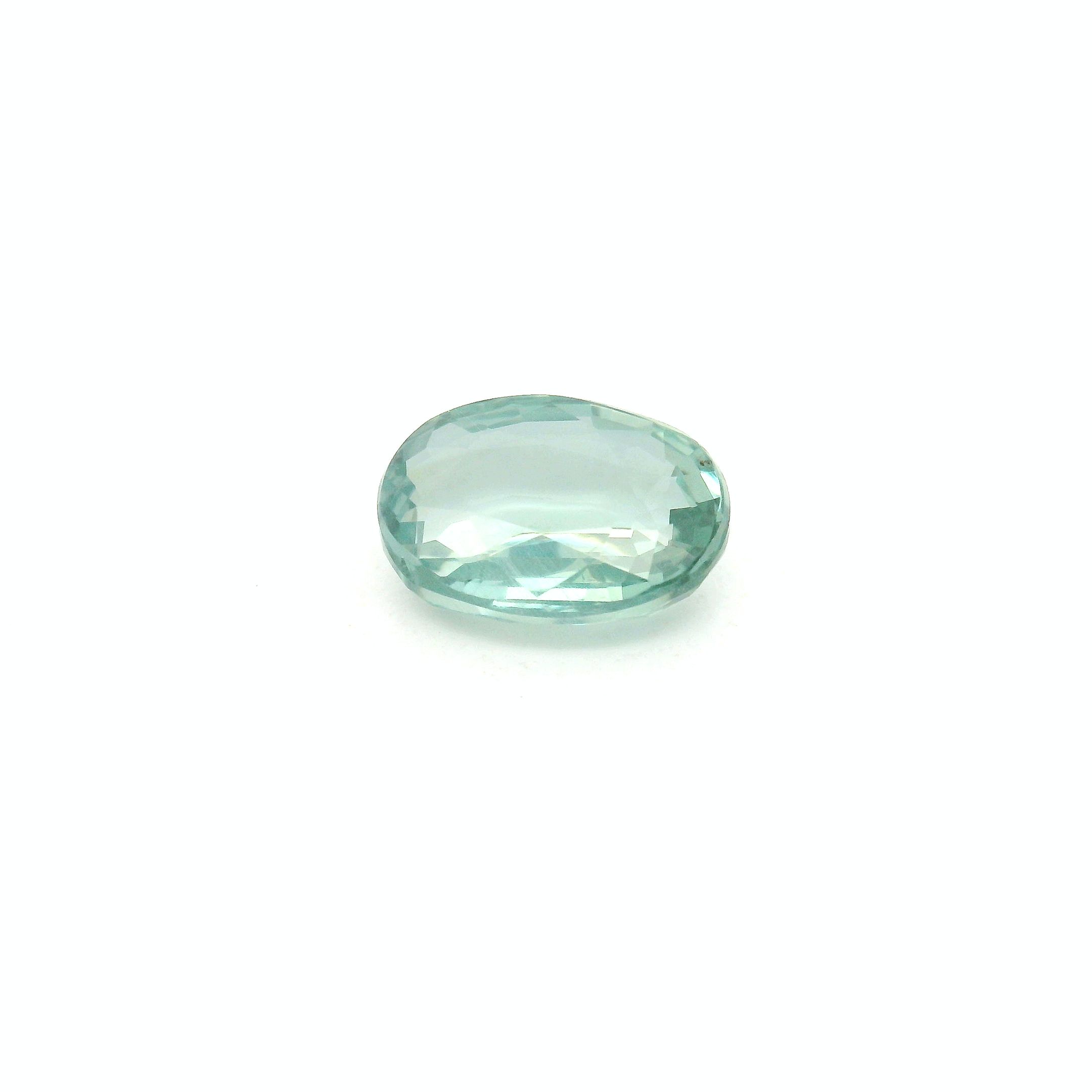

Actual catalog photographs of different stones, generally 1–3 ct. Lighting and scale vary; these are examples, not calibrated color comparisons. Follow a photograph for current availability and the supplier’s details.
The strength of change is only half the decision
A dramatic change is less useful if the stone becomes too dark or unattractively brown in one of the environments where she will wear it. Compare the beauty of both appearances as well as the difference between them.
Ask for a continuous video of the same gem under stated daylight-type and incandescent-type sources. Modern LED bulbs vary widely, so a warm-looking LED may not reproduce the same red appearance. Treat numerical “percent change” claims as seller descriptions unless their method is explained.
The cover ring uses laboratory-created alexandrite. The loose-stone catalog examples are separately described by their suppliers; a single photo does not establish the amount of color change.
02 / Reports & growth origin
Reports & growth origin.
Read the identification report within its scope
A relevant laboratory report can distinguish material identity and natural or laboratory-grown status and address detectable treatment within the service provided.
GIA also offers geographic-origin opinions for alexandrite where possible and requested. That is different from a complete mine-to-market supply-chain record.
Check the issuer, identifying details and exact conclusions against the offered stone. An appraisal and a laboratory identification are not interchangeable documents.
Do not diagnose authenticity with a color photograph, a price threshold or a single home test. If an important point remains uncertain, obtain appropriate independent guidance before purchasing.
Color change and pleochroism are different
Color change compares the same stone under different light sources. Pleochroism compares different viewing directions through the crystal under one light. Alexandrite can show both, so turning a gem under one lamp does not by itself demonstrate its daylight-to-incandescent change.
Ask for a continuous video that identifies the lamps and holds the viewing direction as consistently as possible. Judge both colors at normal hand distance, not only a dramatic magnified split image.
Origins and natural rarity
Natural alexandrite is known from Russia, Sri Lanka, Brazil and other sources. Fine larger stones are rare, but no origin name guarantees a strong color change, excellent clarity or attractive cutting.
If origin affects the price, request a report from a laboratory offering that service and read whether an opinion was possible. A laboratory origin opinion is not a mine-to-market traceability record. A single catalog image shows only one observed appearance, not proof of the full change.
Laboratory-grown is chrysoberyl; imitation may not be
Laboratory-grown alexandrite has the basic chemical and physical identity of alexandrite, with a different growth origin. It can offer another budget and size range, but compare the actual color change, transparency and cut instead of assuming all laboratory-grown stones look alike.
Color-change synthetic corundum is not laboratory-grown alexandrite. Glass and other simulants must also be identified correctly. Request precise naming on the invoice and a suitable report when needed.

03 / Clarity, cut & visible size
Clarity, cut & visible size.
Look at cutting, transparency and realistic dimensions
An oval, cushion, round or another outline can create a different ring composition. Choose from the actual stone rather than assuming one shape always maximizes the effect.
Consider transparency, inclusions and the pattern of reflections as the gem moves. A characteristic may affect appearance, condition or both, so ask what matters for the particular candidate.
Carat measures weight, not a fixed face-up size. Compare length, width and depth alongside the outline and proposed profile.
A report and a realistic moving view answer different questions. Neither a high price nor a dramatic marketing image guarantees a stone you will enjoy wearing.
01 / Same light
Rotate the actual stone gently. Notice changing reflections and, for suitable materials, directional color.
02 / Same stone
Keep the stone and background consistent. Change from indirect daylight to ordinary room light.
03 / Real scale
Look at hand distance and over skin. Keep camera exposure steady and avoid filters.
A comparison method, not a prediction that every stone changes color in the same way.
04 / The complete ring design
The complete ring design.
Develop a setting for the actual stone and routine
Alexandrite has useful scratch resistance and good practical durability, but it can still be damaged. Hardness alone does not make every high or low setting suitable.
Prongs, a bezel or a three-stone design can each be considered when feasible. Review actual support, exposed areas and the underside profile.
A halo describes a surrounding composition rather than one compulsory way of retaining the center. Its appearance should be assessed with the actual alexandrite.
If a wedding band is planned, check clearance and potential rubbing. A rendering cannot fully establish contact or comfortable fit on the hand.
Choose metal and companion stones as a complete palette
White, yellow and rose tones frame the changing colors differently. Compare the actual alloy and intended stone instead of assigning one metal to modern designs and another to vintage designs.
Clear diamond or moissanite accents can create contrast, while colored sapphire offers another direction. Confirm the identity and relevant treatment of all components.
Moonstone or pearl accents introduce different care and damage considerations. A strong center does not transfer its properties to a more delicate companion.
Keep the composition focused on the wearer’s preferences. A personal birthstone reference can be meaningful without promising luck or other effects.
05 / Care & project approval
Care & project approval.
Durable, with specific care needs
Alexandrite ranks 8.5 on the Mohs scale, has excellent toughness and no cleavage. Those qualities make sound material a practical choice for many everyday rings. It can still be damaged by a hard blow, and fragile accent stones or an unsuitable setting can change the care plan.
Warm mildly soapy water is a gentle starting point. Ultrasonic and steam cleaning are usually suitable for sound, untreated alexandrite, but the jeweler should first check the complete ring. Alexandrite is usually untreated; if a stone is fracture-filled, use only warm soapy water and follow the specific care instructions.
Plan appropriate wear, cleaning and future service
Use instructions suitable for the actual stone, treatment and complete ring. Gentle cleaning is different from assuming steam or ultrasonic equipment is appropriate for every assembled piece.
Remove jewelry for impact, heavy work and other unsuitable activities. Arrange inspection after damage or if a setting catches or a stone moves.
Ask about resizing limits, surface renewal and stone replacement before approving extensive coverage or complex construction.
An exact matching alexandrite may not be available later, particularly where a specific color-change character matters. Keep the material records and realistic replacement expectations.
Approve the actual project rather than a general promise
At NinaVova, the actual stone can guide proportions, setting and metal contrast. Confirm current natural or laboratory-grown availability and documentation for the offered candidate.
Compare complete quotations, including relevant reports, setting work and current service terms. A loose-stone price and a finished ring price are different comparisons.
Keep final material descriptions, dimensions and approvals in writing. Illustrations show educational concepts rather than identified inventory.
A considered alexandrite ring combines an appealing actual change with clear identity, suitable support and care the wearer is prepared to follow.
Read the hardness scale correctly.
- Diamond
- Corundum (ruby and sapphire)
- Topaz
- Quartz
- Feldspar
- Apatite
- Fluorite
- Calcite
- Gypsum
- Talc
Your custom ring
From what you know about her
to a finished ring.
Discovery & Design
The journey begins with understanding your vision and translating it into a unique ring design.
- Personal Consultation: We initiate a detailed conversation to capture the essence of your desired design.
- Design Inspiration: Presenting examples of previous works to showcase what's possible and inspire your selection.
- Sketching Ideas: Our designers sketch several versions of your ring, refining the concept to match your vision.

Gemstone & Metal Selection
Choosing the perfect materials to bring your custom ring to life.
- Choosing the Right Stone: We offer a serious selection process, explaining all gemstone options and providing educational materials.
- Trusted Vendors: We provide multiple options from our reliable vendors with whom we have longstanding relationships.
- Custom Cuts: If your vision includes a unique gemstone shape, we can custom-cut the stone for you.
3D Modeling & Approval
Visualizing your ring in precise detail before it comes to life.
- 3D Presentation: We create a 3D model of your ring, allowing you to visualize and turn it around, ensuring it matches your expectations.
- Design Finalization: We proceed only when you are completely satisfied with every detail of the design and model.


Craftsmanship & Creation
Bringing your ring to life with meticulous attention to detail and quality craftsmanship.
- Wax Modeling: Creating a wax model to capture the intricate details of your design before casting in metal.
- Expert Crafting: Our artisans craft your ring, focusing on alloy creation, meticulous polishing, and precise stone setting.
Delivery
The final step where your custom engagement ring is ready to be delivered and cherished.
- Complimentary Shipping: Your ring is shipped to you for free, anywhere in the world.
- Lifetime Warranty: All our rings come with a lifetime warranty, ensuring your peace of mind (with the exception of accidental damage).

07 / See the choices explained
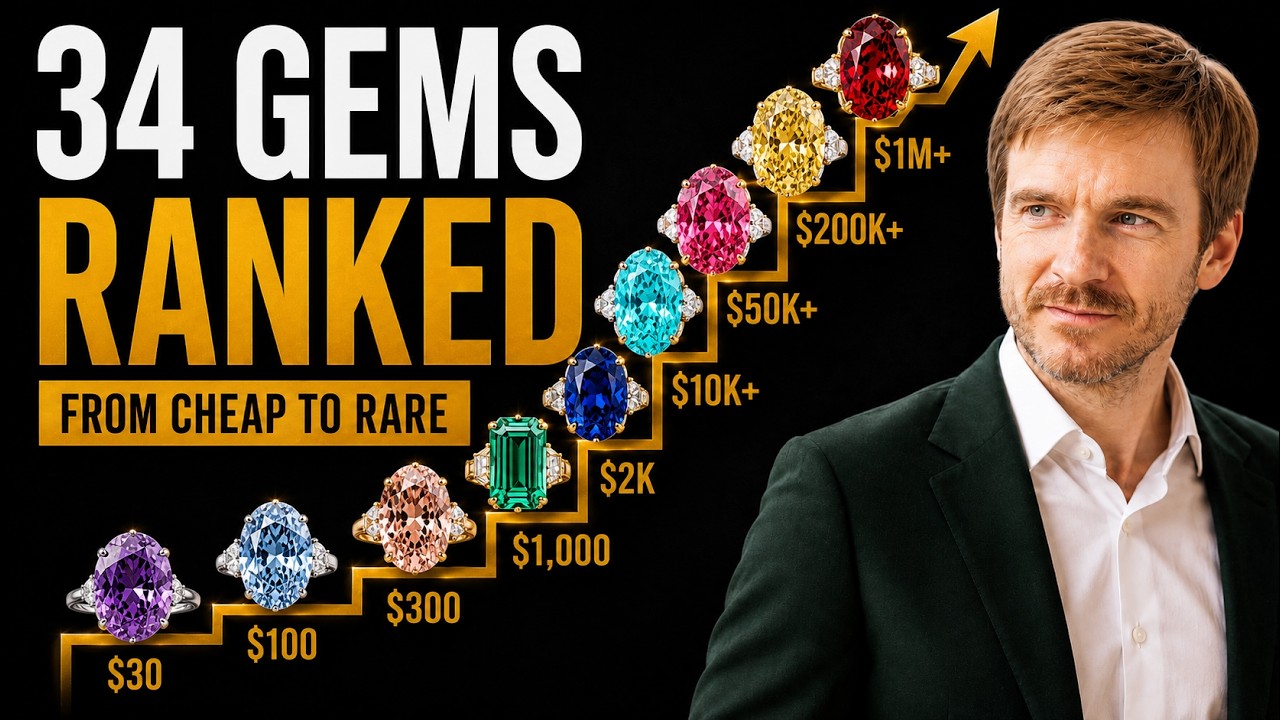
See the choices explained.
08 / Questions before you choose
Questions before you choose.
Will alexandrite turn red under every indoor bulb?
No. Its appearance depends on the lamp’s spectrum as well as the particular stone. A warm-looking LED may not reproduce an incandescent-light result. Request the same gem under clearly identified lights and consider both appearances.
Is laboratory-grown alexandrite the same as color-change sapphire?
No. Laboratory-grown alexandrite is chrysoberyl. Color-change sapphire is corundum, whether natural or laboratory-grown. A similar effect or a seller’s “alexandrite-like” label does not make them the same material.
Is this guide about the actual stones for sale?
The photographs link to real examples, but availability and prices can change. Confirm the current listing, treatment disclosure, measurements and any report for the exact stone before ordering.
Can we choose the stone before finalizing the design?
Yes. We can compare candidates and develop the setting around the chosen stone’s outline, depth, condition and the wearer’s preferences. Bring a color, an idea or simply what you know about her.
What should the complete quotation include?
Identify the actual center stone and accents, metal, design work, relevant reports, known treatments, current price, taxes, shipping, approval stages and delivery. Confirm resizing, return, warranty and aftercare terms for the project.
Does a laboratory report guarantee beauty or future value?
No. It reports the findings within the laboratory’s service scope. Match it to the stone, then assess appearance, physical condition, price and the complete ring separately.
09 / Continue on the NinaVova blog
Continue on the NinaVova blog.
NinaVova blog
Alexandrite Engagement Rings: Natural Stones, Color Change and Design – NinaVova
Read the complete article ↗
NinaVova blog
Lab-Created Alexandrite: Color Change, Identity and Ring Design – NinaVova
Read the complete article ↗NinaVova ring education
Your custom ring guide
Explore settings, metals and design ↗10 / About NinaVova
A name inspired by lasting love.

Guided by your story.
NinaVova is named after founder Sergey’s grandparents, Nina and Vladimir. Their enduring love inspires the rings we create.
Our design, production and client-guidance team helps turn your ideas into a personal ring, from the first conversation to the finished piece.
Meet NinaVova ↗Image credits & gemological references
Real gemstone and jewelry photographs are identified in captions and link to NinaVova examples where available. Illustrations are educational concepts, not identity tests, controlled color grades or promises of an individual stone’s appearance. Catalog availability can change.
Your story starts the design
Let’s create the ring
that feels like her.
Bring a favorite color, a ring idea or simply what you know about her. We’ll help you understand the options and create the ring together.
Talk with Sergey →Explore alexandrite options ↗