

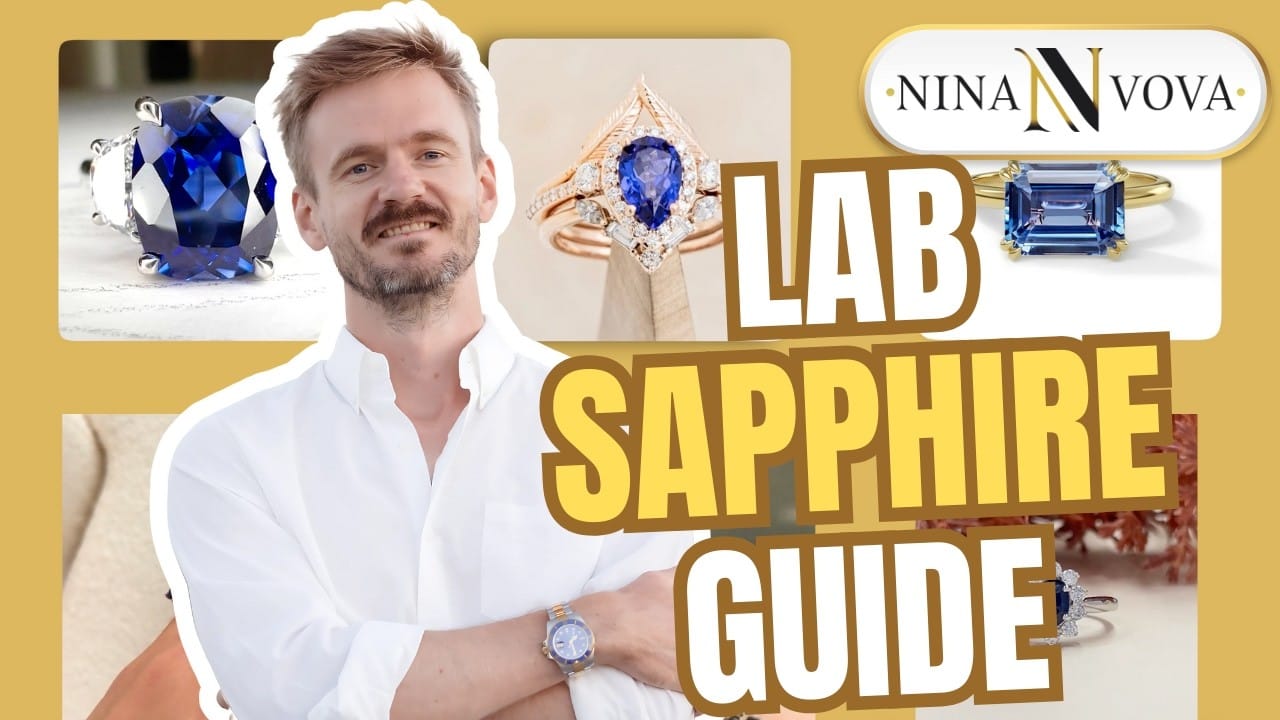
The Ultimate Lab Sapphire Guide: How They’re Made, Prices, and What to Avoid

Choosing the Right Lab Grown Sapphire Engagement Ring: What You Need to Know
If you’re on the hunt for a lab grown sapphire engagement ring, chances are you want something beautiful, durable, ethically sourced, and reasonably priced. But did you know that not all lab grown sapphires are created equal? There are three main methods used to grow these sapphires, and the method chosen will impact how the stone looks, feels, and performs. Though all lab sapphires share the same chemical and optical composition as natural sapphires, how they are grown affects their color, clarity, and how natural they appear.
In this article, I’ll guide you through the three primary methods of lab sapphire production, explain their differences, and help you decide which one suits you best.
The Three Methods of Growing Lab Sapphire Engagement Rings
1. Flame Fusion (Verneuil) Method
The flame fusion method is the most affordable and widely available way to create lab grown sapphires. It’s a fast and efficient process that produces stones appearing flawless to the naked eye. These sapphires have no visible inclusions or color variations, making them perfectly uniform.
The trade-off? When viewed under magnification, you may spot curved growth lines or tiny bubbles — characteristics not found in natural sapphires. Particularly in larger stones over two carats, these features become more noticeable, sometimes making the sapphire look a bit synthetic or “too perfect.” However, for smaller stones, these minor imperfections are generally invisible to the naked eye.
Flame fusion sapphires sparkle beautifully and come at the lowest price point thanks to an older technology that doesn’t require advanced equipment by today’s standards. If you have a tight budget and want a sapphire that shines nicely without visible flaws, this method is a solid choice.
2. Flux Growth Method
Flux growth is a slower, more delicate process that mimics natural sapphire formation more closely than flame fusion. These sapphires develop gradually inside a molten solution, often producing soft, organic inclusions that resemble natural patterns like wispy feathers or tiny feather-like inclusions.
Because of these natural-looking internal features, flux-grown sapphires are my personal favorite. They have deep, rich color and a romantic, natural look that’s perfect for engagement rings. If you want a lab sapphire that appears as close to natural as possible, flux growth is the method to choose.
The slightly imperfect inclusions add character, helping the stone feel genuine rather than synthetic.
3. Hydrothermal Growth Method
For those who want the absolutely perfect stone with intense color and no inclusions at all, hydrothermal sapphires are the best option. This method replicates how sapphires form underground, growing crystals slowly through a high-pressure, high-temperature process using water and nutrients.
The resulting sapphire is flawless, with a rich, vibrant color and no bubbles or internal imperfections. This method is ideal if you desire a clear stone with a minimalistic aesthetic. It’s suited for someone who values perfection and doesn’t want to hide the lab-grown nature of their sapphire.
Which Lab Sapphire Method Should You Choose?
Here’s a quick summary to help you decide:
Flame Fusion: Best if you are on a strict budget but want a sparkling sapphire with natural color. Slight inclusions from bubbles or growth lines may be present under magnification but are typically invisible to the naked eye. Ideal for smaller stones or budget-friendly rings.
Flux Growth: Perfect if you want a lab sapphire that closely resembles natural stones. It offers rich color and natural-looking inclusions for a romantic, organic look—great for classic engagement rings with character.
Hydrothermal Growth: The choice for perfectionists who want flawless clarity and deep, clean color. Ideal for minimalistic and architectural designs where inclusions would detract from the open, clear appearance of the stone.
How We Use These Methods in Engagement Rings
At our studio, we work with all three methods to accommodate different preferences and budgets.
The flame fusion sapphire is typically reserved for very budget-conscious clients or promise rings around $1,000. It works well in modern, minimalist designs where flawless color and absence of inclusions are key.
The hydrothermal sapphire is used in sleek, architectural, or Art Deco-inspired designs, where an inclusion-free stone is essential to balance the ring’s design.
The flux-grown sapphire is best for nature-inspired or classic styles where the organic inclusions enhance the ring’s harmony and balance.
Why Choose Lab Grown Sapphires?
Two main reasons often guide the choice for lab grown sapphires over natural stones:
Price
Natural sapphires of high quality can be very expensive, often ranging from $5,000 to $9,000 or more for engagement rings. By contrast, a lab grown sapphire ring using any of the methods above typically costs less than $2,000. This price difference can be significant, especially given that engagement rings are rarely bought with resale value in mind.Ethics
Lab grown sapphires are completely ethical, produced without mining or environmental destruction. Natural stone sourcing requires careful tracing to ensure ethical origins, which can be complex. Lab sapphires offer peace of mind with no impact on the environment.
If budget is tight, purchasing a natural sapphire may result in a smaller, darker stone with less vibrant color. In those cases, a lab grown sapphire is often a better-looking, longer-lasting choice. Lab Sapphires are also highly durable, rating 9 on the Mohs hardness scale—nearly as tough as diamonds—so they’ll withstand daily wear beautifully.
Final Thoughts
Now that you know the differences among the three lab sapphire growth methods, you can make a more informed decision for your engagement ring. If you haven’t yet, I suggest watching my video on natural sapphires to compare both options.
At our studio, we create custom engagement rings tailored uniquely to your love story—rings unlike any other. Whichever sapphire method you choose, we’re here to help you find the perfect stone and design.
Thank you for reading, and I look forward to helping you design an engagement ring that truly reflects your unique love.
— Sergey