

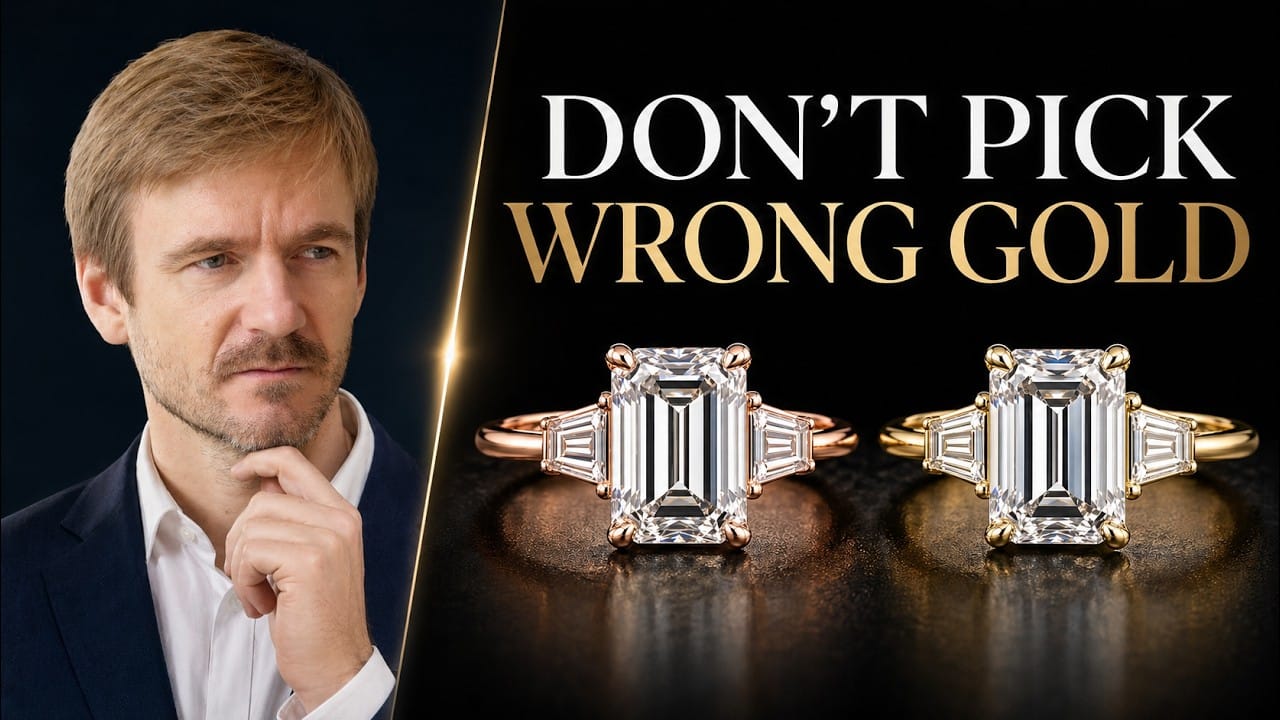

Rose Gold vs Yellow Gold Engagement Rings: Which One Is Right for You?
If you’re choosing an engagement ring and find yourself torn between rose gold and yellow gold, this guide is for you. Both are authentic gold options—beautiful, durable enough for daily wear, yet each offers a distinct look, feel, and aging process. By the end, you’ll know which one best suits your style, skin tone, lifestyle, and budget.
Quick Gold Basics
All gold jewelry is an alloy: pure gold combined with other metals. The purity is often measured in karats:
- 14K gold: 58.5% pure gold
- 18K gold: 75% pure gold
The visual and tactile differences between gold types come from the metals mixed with pure gold.
- Yellow gold: mixed with silver and copper for a balanced, classic yellow tone.
- Rose gold: copper-heavy with a bit of silver, creating a warm, soft pink blush.
Price note: For the same design, 18K gold tends to cost 10–30% more than 14K, due to the higher gold content and usually a heavier weight.
A Brief History
Yellow gold is the original gold jewelry metal, treasured for thousands of years by ancient civilizations like Egypt, Mesopotamia, Greece, and Rome. It’s what most people envision when imagining gold.
Rose gold made its notable debut much later, emerging in the late 1800s thanks to Russian court jeweler Peter Carl Fabergé. Using a copper-rich alloy known as Russian gold, Fabergé created exquisite Imperial Easter eggs for the Tsar. This royal commission popularized the warm pink tone, which later resurfaced during the Art Deco era and has now surged in popularity for engagement rings due to its soft, romantic vibe.
If you’d like to dive deeper into rose gold’s history, there’s a dedicated video covering that—definitely worth a watch.
How They Look on the Hand
- Yellow gold offers a classic, sunny warmth that reads as timeless, bold, and regal. It adds richness and striking contrast to most ring designs.
- Rose gold brings a soft romantic blush, simultaneously modern and vintage-inspired. It tends to make a ring look a touch more delicate and flattering on many skin tones.
Skin Tone Tips
There are no hard-and-fast rules here. Try viewing both metals under daylight and warm indoor lighting. Choose the one that feels and looks best to you.
Other Gold Tones to Know
You might hear jewelers mention:
- Lemon gold: a pale yellow, sometimes leaning toward yellow-green, due to a high silver content in the alloy. It’s a true gold variant with a distinct look.
- Rose gold shades: vary from soft blush to medium rose to copper red, depending on the karat and copper-to-silver ratio.
Because rose gold tones can vary by brand and batch, if you pick rose gold for your engagement ring, it’s highly recommended to order your wedding band at the same time or from the same maker and alloy to ensure a perfect color match.
How They Pair with Diamonds and Gemstones
Diamonds
- In yellow gold, diamonds can appear a bit warmer due to the contrast.
- For maximum brightness, some prefer using white gold or platinum prongs with a yellow gold band — a common practice that keeps the diamond sparkling while preserving the classic gold look.
- In rose gold, diamonds pick up a gentle, romantic warmth. Using white metal prongs similarly helps maintain diamond brilliance while showcasing a rosy shank.
Colored Stones
- Rose gold flatters pink and warm-toned stones like morganite, pink sapphires, rubies, red spinels, as well as champagne and peach-colored gems.
- Yellow gold excels with emeralds, blue sapphires, tourmalines, and rich red stones for a luxurious, classic appearance.
Durability and Daily Wear
- 14K gold typically feels tougher and more scratch-resistant than 18K because it contains less soft pure gold.
- 18K gold offers richer color and a slightly heavier feel but can show dings sooner if subjected to rough wear.
- Between rose and yellow gold at the same karat:
- 14K rose gold is usually as durable or even slightly tougher than 14K yellow gold, thanks to its copper content.
- 18K rose and yellow gold both hold up well for daily rings, with rose gold possibly feeling a little firmer and yellow gold a bit more malleable.
Both metals are easy to work with for resizing and prong repairs.
How They Age Over Time
- Yellow gold develops a soft scratch patina loved by many, adding character. You can polish it back to a mirror shine when desired.
- Rose gold tends to deepen slightly in tone over the years as the copper ages, but it stays rosy. Like yellow gold, it can be polished, but remember that every polish removes a tiny bit of metal. So, save heavy polishing for special occasions rather than minor scratches.
Allergies and Comfort
Most jewelry sensitivities arise from nickel, which is more common in some white gold alloys than in rose or yellow gold. If you have sensitive skin:
- Ask for a nickel-free alloy.
- Consider 18K gold, which has less alloy and thus less chance to irritate.
For comfort, select a comfort-fit interior if you want a softer feel against your fingers. Alloy composition doesn’t affect comfort much—it’s all about the ring’s fit.
Practical Comparison: Day-to-Day Look and Feel
- Choose yellow gold if you want your ring to read bold and classic. It offers unmistakable gold glow and strong contrast with colored stones.
- Choose rose gold if you prefer a soft, romantic vibe. Its blush tone flatters neutral and pink skin tones and stacks beautifully with yellow or white metals.
Quick Decision Guide Recap
- Yellow gold: timeless look, bold contrast
- Rose gold: romantic, modern vibe, flattering blush tones
- 14K gold: better for very active wearers due to scratch resistance
- 18K gold: richer color and heftier feel, requires a bit more care
Bottom Line
Both yellow and rose gold are excellent choices. Pick the metal that flatters your skin tone, pairs well with your stones, and fits your lifestyle. If you choose rose gold, strongly consider ordering the wedding band simultaneously with the engagement ring to ensure the tones match perfectly.
If this guide helped you, let us know which gold you’re leaning toward—rose or yellow—and why. Thank you for reading, and good luck on your engagement ring journey!