


Topaz Engagement Ring Guide — NinaVova Education
NinaVova · Learn before you choose
The topaz
engagement ring guide.
Compare blue, pink and golden topaz, understand treatment and cleavage, and design a ring with realistic protection and care expectations.
In this guide Choose a chapter
01 / Color & identity
Color & identity.
Blue, white and pink topaz
Blue topaz ranges from pale shades to deeper trade colors such as London blue. Strong blue material commonly receives irradiation followed by heat treatment. London blue describes a color in trade; it is not a guarantee of geographic origin.
White or colorless topaz offers a different appearance and budget from diamond. It should be appreciated as topaz rather than sold as an identical replacement for diamond’s fire or wear characteristics.
Pink and warmer colors require their own questions about origin of color, treatment and stability. Natural color rarity, a trade name and an attractive photograph are not interchangeable evidence. Coated material, including some mystic-topaz effects, needs particular attention to surface durability.
Real stones. Different possibilities.
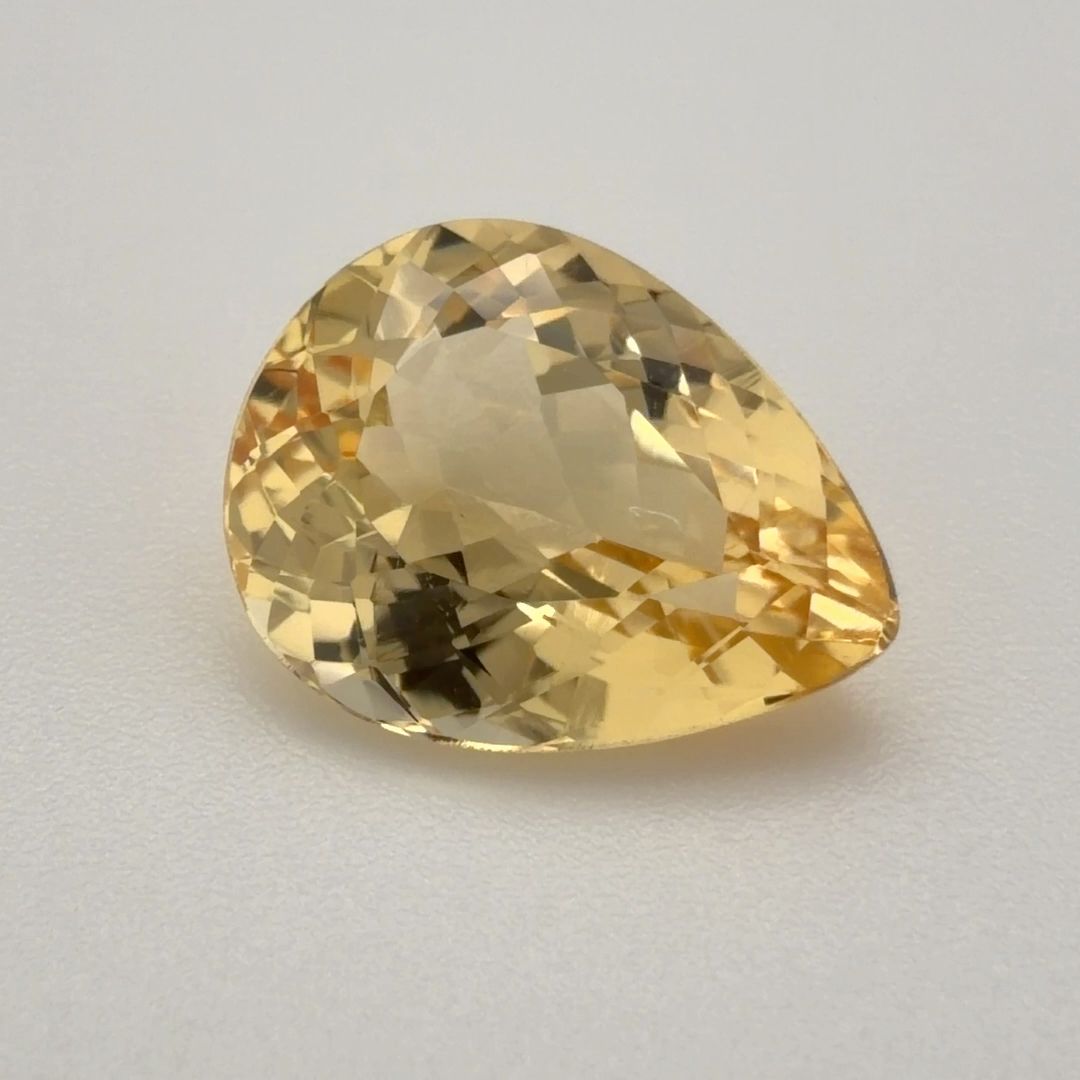
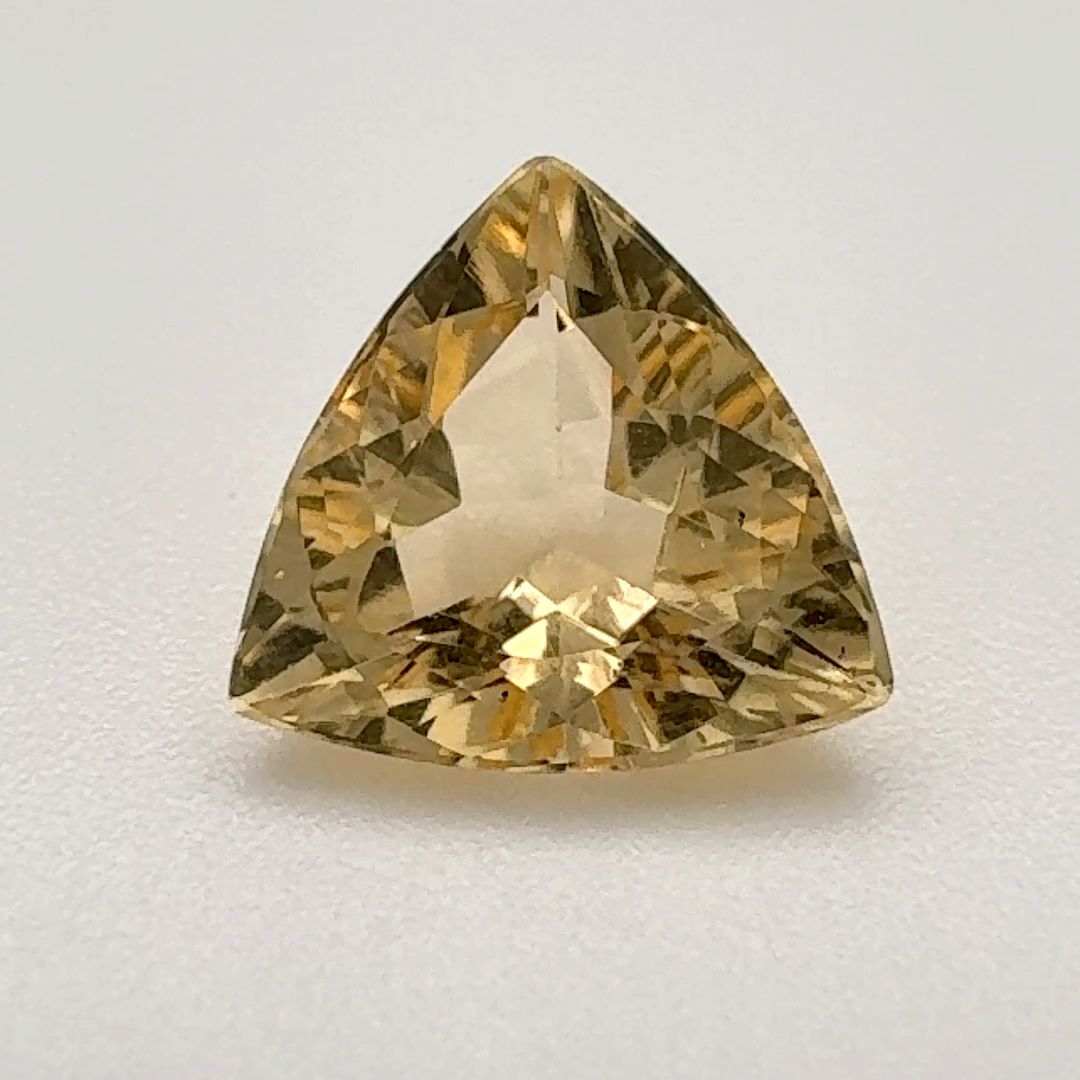
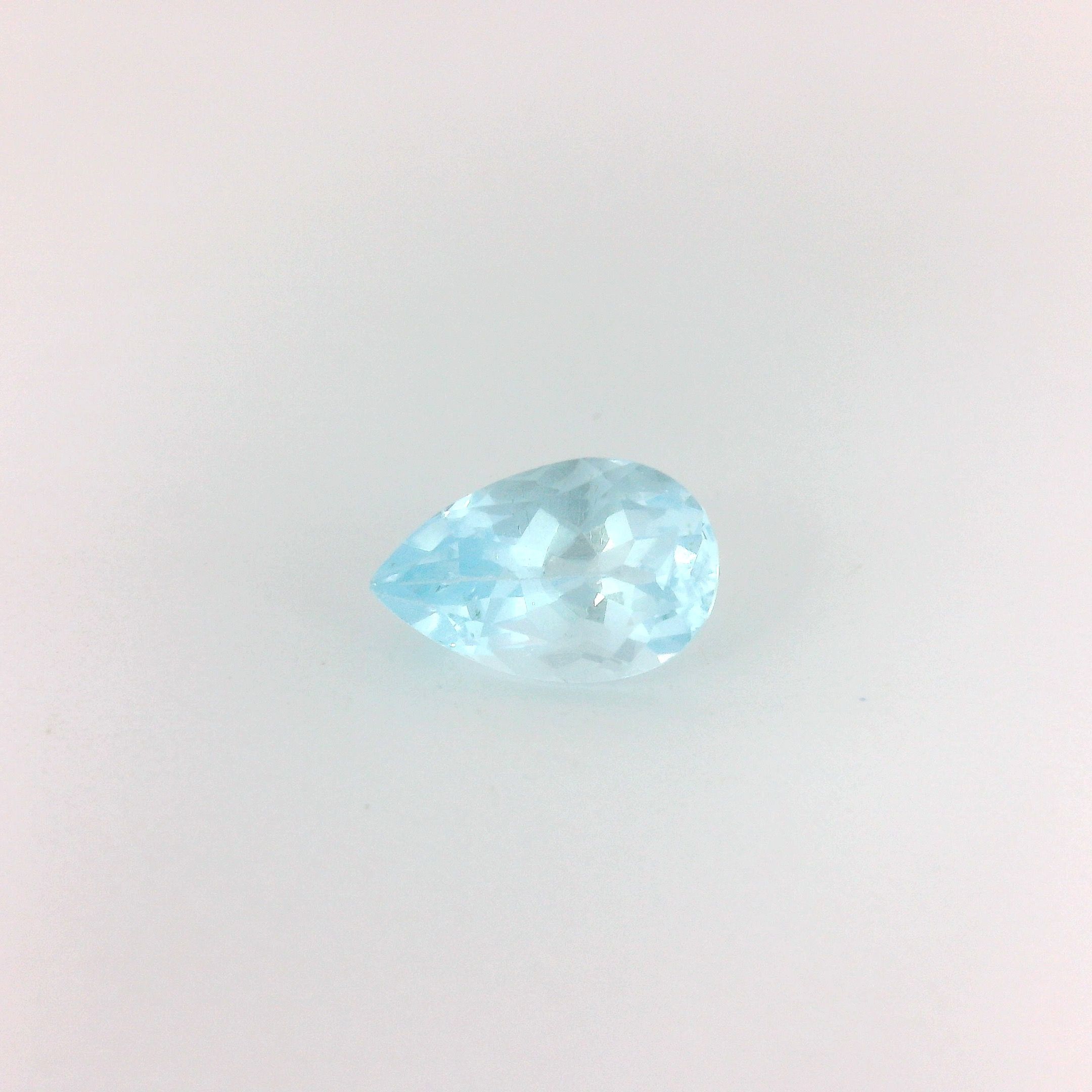
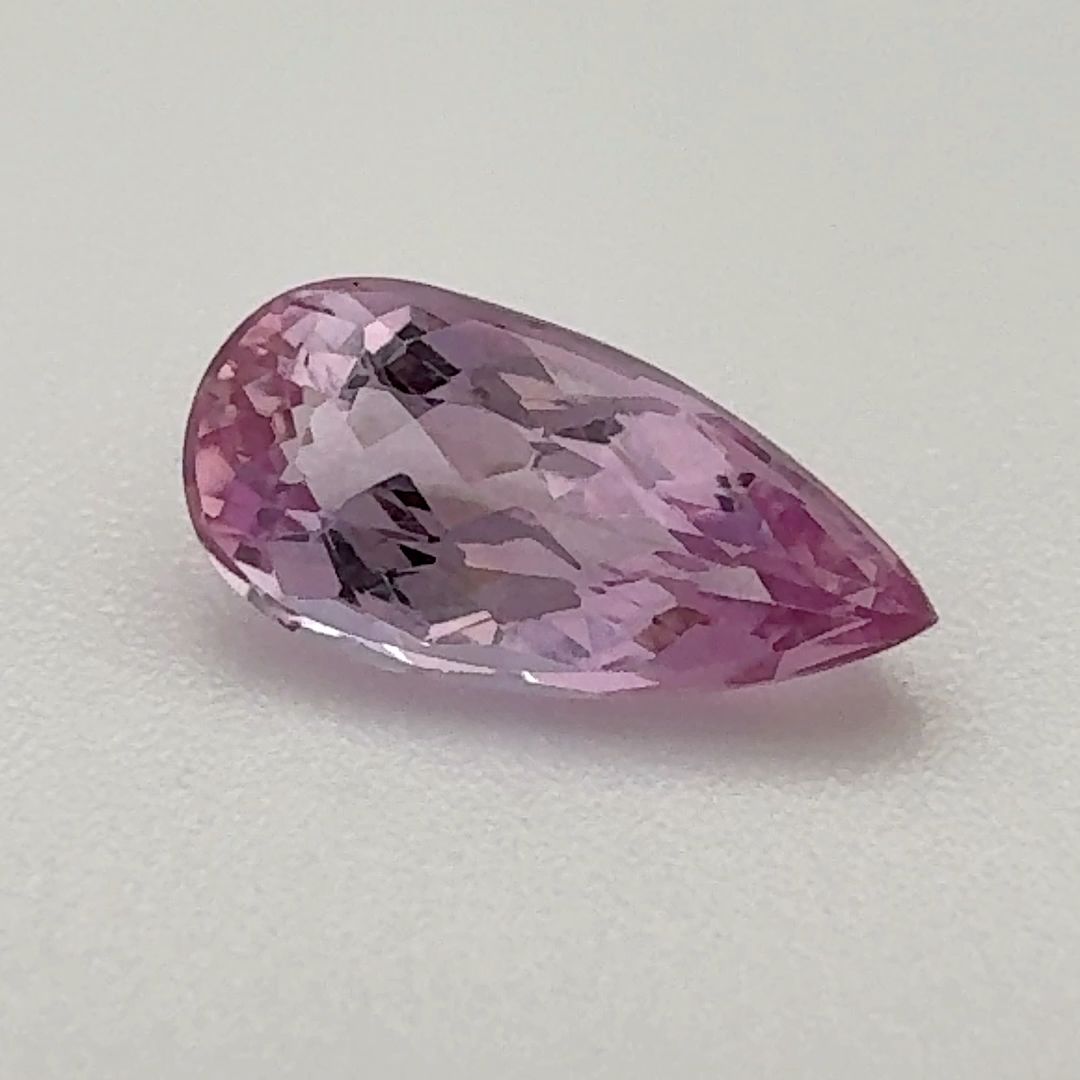
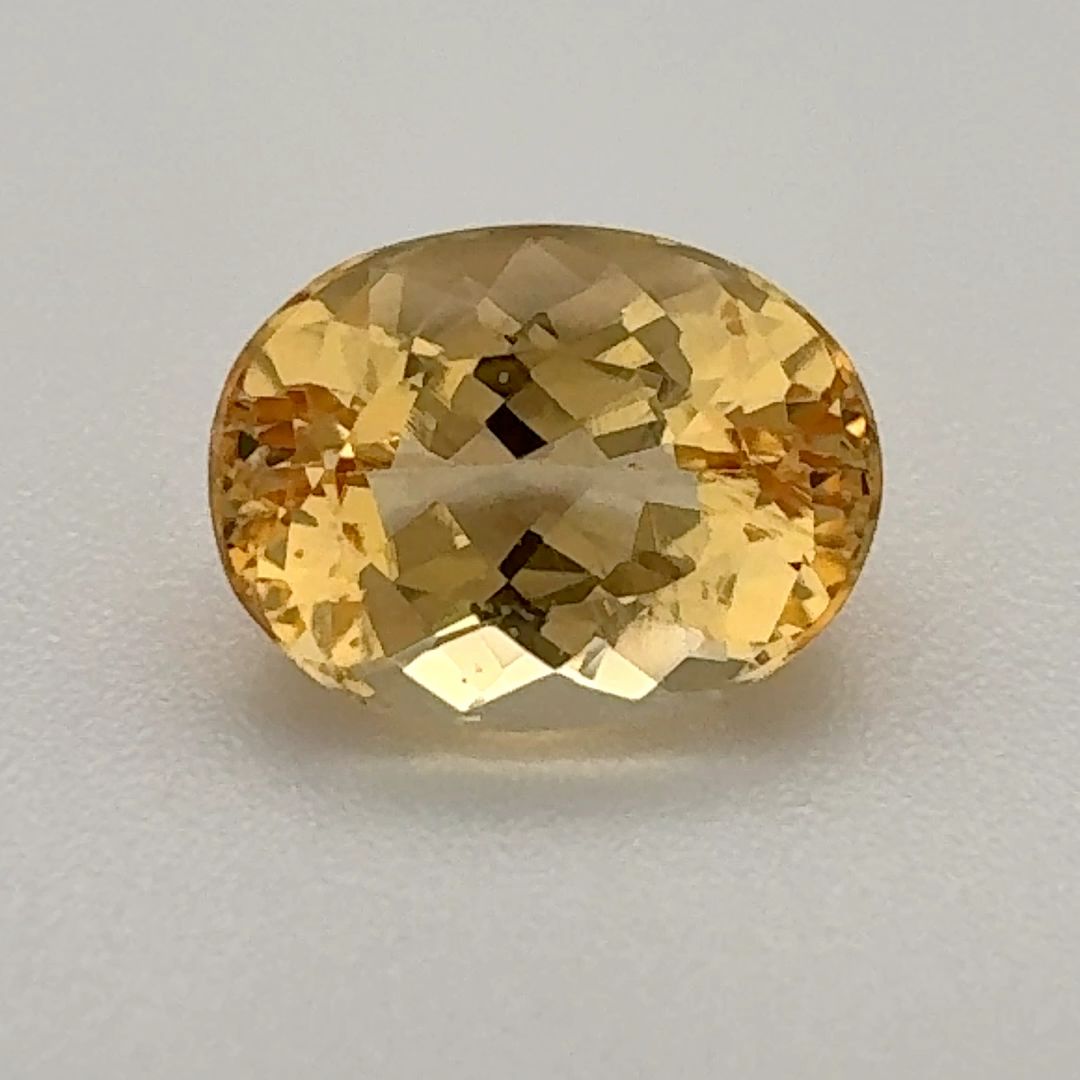
Actual catalog photographs of different stones, generally 1–3 ct. Lighting and scale vary; these are examples, not calibrated color comparisons. Follow a photograph for current availability and the supplier’s details.
Golden, orange and imperial descriptions
Topaz also occurs in yellow, orange, reddish-orange and pink shades. Rare natural red or pink color can command a different premium from abundant treated blue material. The trade’s use of “imperial” varies; ask for the actual color description and supporting treatment information.
Citrine is quartz, not topaz. A “golden topaz” label should name the mineral clearly rather than relying on a warm color. Compare real candidates under the same light before paying for a romantic trade name.
Separate hue, tone and saturation
Hue is the color family and its modifiers: blue may lean green, while a warm stone may lean yellow, orange or pink. Tone describes lightness or darkness. Saturation describes how strong or subdued the color looks.
Compare the actual topazes together under the same lighting. A darker stone does not automatically have stronger saturation or a better cut. The catalog photographs above show real possibilities, but their different photographic conditions are not a calibrated color scale.
02 / Clarity, cut & visible size
Clarity, cut & visible size.
Choosing color, clarity and cut
Look for a color you enjoy and inspect its distribution in the actual stone. A darker blue is not automatically more valuable than every lighter example: size, cutting, treatment, color origin and the market for the particular material also matter.
Many topazes are relatively clean-looking, but inspect visible inclusions, surface damage and the condition around the girdle or corners. Eye-clean appearance is useful information, not a guarantee that the stone has no structural vulnerability.
Oval, round, emerald and other cuts can offer different patterns and proportions. Check face-up brightness, windows and dark areas as the stone moves. A familiar shape name or a single depth percentage does not establish the quality of every cut.
Carat is weight, not size
One carat is 0.2 grams. Length, width and depth in millimeters tell you more about the visible outline and setting height. Two topazes with the same weight can have different face-up sizes, and a very deep cut can keep weight below the visible surface.
Request a realistic hand-scale image and a side view. Consider the wearer’s finger, band width, exposed corners and wedding-band clearance. Do not assume a larger number provides better color, brightness or comfort.
01 / Same light
Rotate the actual stone gently. Notice changing reflections and, for suitable materials, directional color.
02 / Same stone
Keep the stone and background consistent. Change from indirect daylight to ordinary room light.
03 / Real scale
Look at hand distance and over skin. Keep camera exposure steady and avoid filters.
A comparison method, not a prediction that every stone changes color in the same way.
03 / Treatment & reports
Treatment & reports.
Treatment, identification and documentation
Ask what is known about irradiation, heating, coating or other treatment and whether it affects care. Treated natural topaz is still topaz; treatment should not be confused with a glass imitation or automatically described as fake.
If identity or treatment is uncertain, seek evidence appropriate to the value and question. GIA can identify topaz and detectable treatments, but it does not issue a quality grade for topaz. A report should be read for what it actually establishes rather than treated as a guarantee of beauty, price or future value.
Get the material description, treatment information and return terms in writing. Compare dated quotations for actual stones and the complete ring. Claims about a fixed percentage of fake topaz on the market require evidence rather than repetition.
Price and origin should be specific
Blue treated topaz, fine pink material and a rare warm-color stone are different markets. Compare color, clarity, cut, weight, treatment and condition within the correct category. Source can add context, but it does not guarantee beauty.
Brazil is an important source; topaz also occurs elsewhere. London, Swiss and sky blue are color trade descriptions, not geographic evidence. Compare a current written quotation for the whole ring, including design, reports where useful and future service.
04 / Protection, durability & care
Protection, durability & care.
Design with protection in mind
A solitaire can keep the topaz’s color and outline at the center of the design. A halo adds a surrounding composition, vintage-inspired details add texture, and a three-stone arrangement can express a personal story through its proportions and chosen materials.
These styles can be adapted, but topaz’s cleavage makes protection a central design issue. Consider a lower profile and structures that reduce exposed edges, while recognizing that no setting eliminates damage risk.
Discuss the wearer’s activities honestly. If the engagement ring must tolerate frequent impact or demanding daily work, a tougher alternative may be more appropriate, with topaz reserved for selective wear.
Hardness is not toughness
Topaz ranks 8 on the Mohs scratch-hardness scale, yet it has poor toughness and can split along a cleavage direction. It should not be presented as automatically suitable for unrestricted everyday wear just because its hardness number sounds high.
A hard knock, abrupt temperature change or unsuitable repair procedure can damage it. The particular stone’s condition and treatment add further considerations. Remove a topaz ring for activities involving impact, substantial pressure or rough handling.
If you choose topaz, agree on realistic wearing habits, setting protection and aftercare before ordering. The attractive color needs to fit your routine as well as your preferred design.
Cleaning and storage
Use warm, mildly soapy water when suitable for the complete ring, and avoid ultrasonic and steam cleaning for topaz. Coatings or other vulnerabilities may need additional precautions. Ask the jeweler for instructions for the actual stone and its treatment.
Avoid harsh chemicals, sudden heat and careless contact with other jewelry. Some colors may be affected by prolonged heat or light, so confirm any color-stability concerns. Separate storage helps reduce scratching and accidental knocks.

Read the hardness scale correctly.
- Diamond
- Corundum (ruby and sapphire)
- Topaz
- Quartz
- Feldspar
- Apatite
- Fluorite
- Calcite
- Gypsum
- Talc
05 / History & personal meaning
History & personal meaning.
History and meaning
Topaz has a long history of admiration and symbolic associations. GIA describes the Greek name Topazios as one major explanation for its name, linked to an island historically associated with a different gem, peridot. Some scholars propose a Sanskrit connection instead; a single definitive fire-origin story oversimplifies the uncertainty.
Historical beliefs about healing, protection or emotional balance belong to cultural history, not demonstrated physical benefits of wearing a topaz. Imperial topaz also has a history associated with nineteenth-century Russia.
You can give a topaz ring personal meaning without relying on a famous-jewel identification or a royal ownership story that has not been documented. The relevant choice is an actual stone whose color, condition and practical needs you understand.
Your custom ring
From what you know about her
to a finished ring.
Discovery & Design
The journey begins with understanding your vision and translating it into a unique ring design.
- Personal Consultation: We initiate a detailed conversation to capture the essence of your desired design.
- Design Inspiration: Presenting examples of previous works to showcase what's possible and inspire your selection.
- Sketching Ideas: Our designers sketch several versions of your ring, refining the concept to match your vision.

Gemstone & Metal Selection
Choosing the perfect materials to bring your custom ring to life.
- Choosing the Right Stone: We offer a serious selection process, explaining all gemstone options and providing educational materials.
- Trusted Vendors: We provide multiple options from our reliable vendors with whom we have longstanding relationships.
- Custom Cuts: If your vision includes a unique gemstone shape, we can custom-cut the stone for you.
3D Modeling & Approval
Visualizing your ring in precise detail before it comes to life.
- 3D Presentation: We create a 3D model of your ring, allowing you to visualize and turn it around, ensuring it matches your expectations.
- Design Finalization: We proceed only when you are completely satisfied with every detail of the design and model.


Craftsmanship & Creation
Bringing your ring to life with meticulous attention to detail and quality craftsmanship.
- Wax Modeling: Creating a wax model to capture the intricate details of your design before casting in metal.
- Expert Crafting: Our artisans craft your ring, focusing on alloy creation, meticulous polishing, and precise stone setting.
Delivery
The final step where your custom engagement ring is ready to be delivered and cherished.
- Complimentary Shipping: Your ring is shipped to you for free, anywhere in the world.
- Lifetime Warranty: All our rings come with a lifetime warranty, ensuring your peace of mind (with the exception of accidental damage).

07 / See the choices explained
See the choices explained.
08 / Questions before you choose
Questions before you choose.
Why can topaz chip if its Mohs hardness is 8?
Mohs measures scratching. Topaz has poor toughness because it can split along a cleavage direction. Protection, careful setting and avoiding hard blows remain important even though its surface resists scratching relatively well.
Is a vivid blue topaz normally untreated?
No. Strong blue topaz commonly receives irradiation followed by heating. Sky, Swiss and London blue describe color in trade rather than a mine location or proof of untreated color. Ask for clear treatment disclosure.
Is this guide about the actual stones for sale?
The photographs link to real examples, but availability and prices can change. Confirm the current listing, treatment disclosure, measurements and any report for the exact stone before ordering.
Can we choose the stone before finalizing the design?
Yes. We can compare candidates and develop the setting around the chosen stone’s outline, depth, condition and the wearer’s preferences. Bring a color, an idea or simply what you know about her.
What should the complete quotation include?
Identify the actual center stone and accents, metal, design work, relevant reports, known treatments, current price, taxes, shipping, approval stages and delivery. Confirm resizing, return, warranty and aftercare terms for the project.
Does a laboratory report guarantee beauty or future value?
No. It reports the findings within the laboratory’s service scope. Match it to the stone, then assess appearance, physical condition, price and the complete ring separately.
09 / Continue on the NinaVova blog
Continue on the NinaVova blog.
10 / About NinaVova
A name inspired by lasting love.

Guided by your story.
NinaVova is named after founder Sergey’s grandparents, Nina and Vladimir. Their enduring love inspires the rings we create.
Our design, production and client-guidance team helps turn your ideas into a personal ring, from the first conversation to the finished piece.
Meet NinaVova ↗Image credits & gemological references
Real gemstone and jewelry photographs are identified in captions and link to NinaVova examples where available. Illustrations are educational concepts, not identity tests, controlled color grades or promises of an individual stone’s appearance. Catalog availability can change.
Your story starts the design
Let’s create the ring
that feels like her.
Bring a favorite color, a ring idea or simply what you know about her. We’ll help you understand the options and create the ring together.
Talk with Sergey →Explore topaz options ↗