
Choosing Gemstone Colors: Hue, Personal Meaning and Ring Design

Gemstone color can change the feeling of an engagement ring. Color descriptions, personal symbolism and design preferences are useful starting points, while laboratory identification and quality assessment answer different questions.
Start with the color the wearer actually enjoys. Describe hue, tone and saturation, then compare the stone in ordinary light with the intended metal. Personal symbolism can add meaning, but colors do not diagnose personality or guarantee outcomes. A colored-stone identification report is different from a quality grade or appraisal.
At a glance · How color shapes the ring · Explore the color spectrum · Hue, tone and saturation · Make symbolism personal
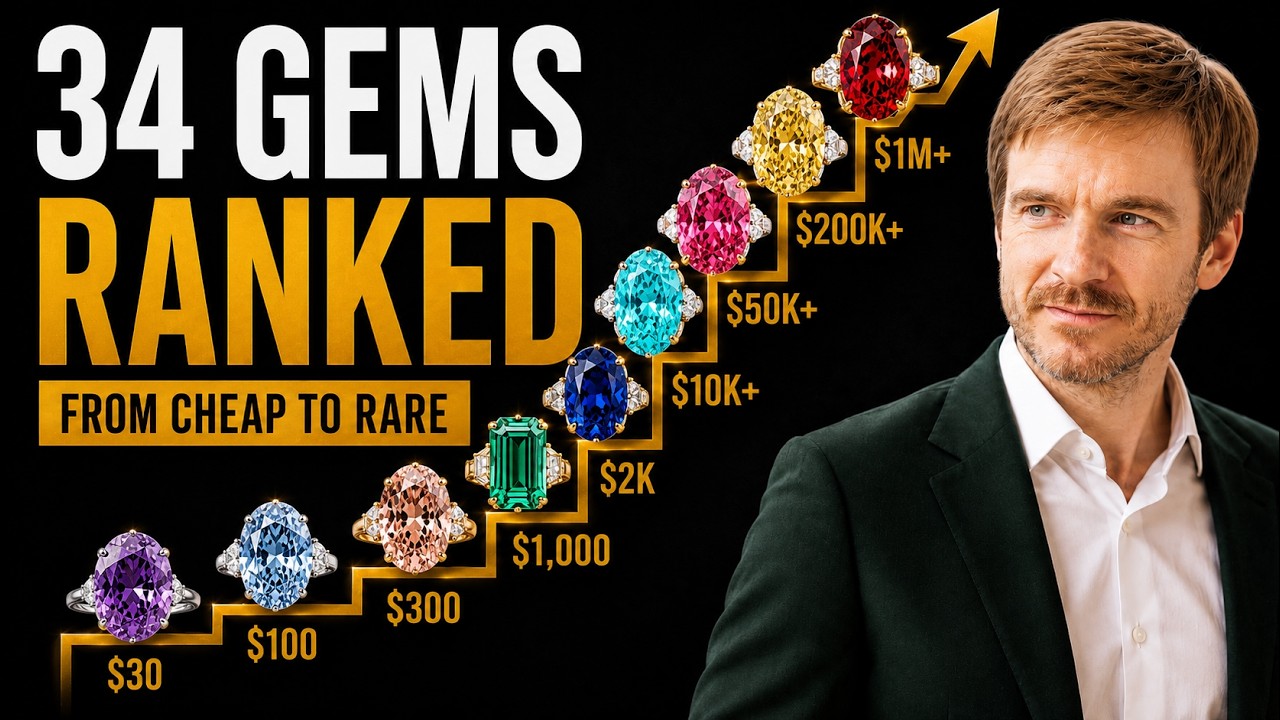
Watch the NinaVova discussion
Watch the original NinaVova video on YouTube.
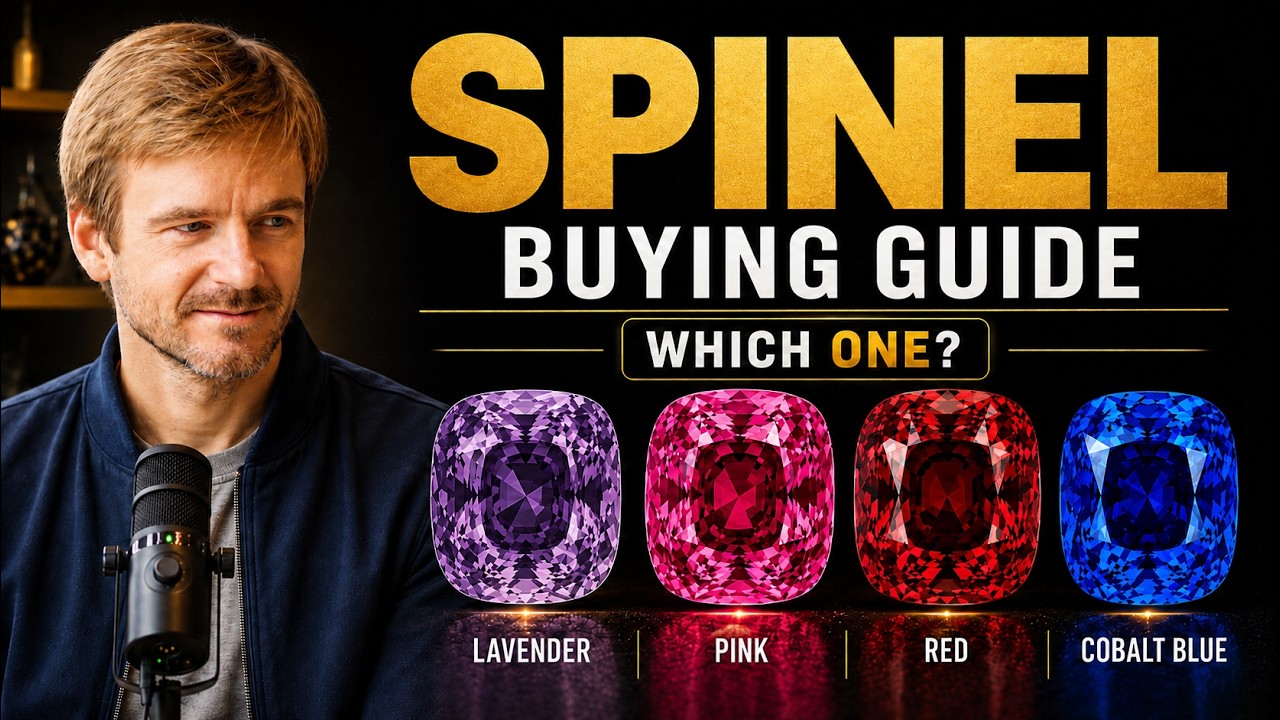
Related NinaVova video: the spinel-color discussion explores color choice within one gemstone family. This article considers color and design more broadly.
Turn a color preference into a useful comparison
| Consideration | Ask yourself | Check with the jeweler |
|---|---|---|
| Hue | Which color family feels right? | Blue, green, yellow or modifying hues in the actual stone. |
| Tone | Do I prefer light, medium or dark? | Appearance in ordinary indoor and daylight conditions. |
| Saturation | Vivid color or a quieter muted impression? | Whether gray/brown components or darkness change the impression. |
| Meaning | Which associations are personal to the wearer? | Keep symbolism separate from scientific or health claims. |
| Metal and setting | Harmony, contrast or both? | Complete design examples and actual material choices. |
How color shapes the ring
Colors speak a language of their own. They have the power to evoke emotions, tell stories, and express individuality. In the world of engagement rings, gemstone colors play a key role in crafting the overall look and feel of the ring. Whether it's the classic clear diamond, a vibrant blue sapphire, or a rare pink diamond, the color of your gemstone can turn your engagement ring into a unique piece of art.
Explore the color spectrum
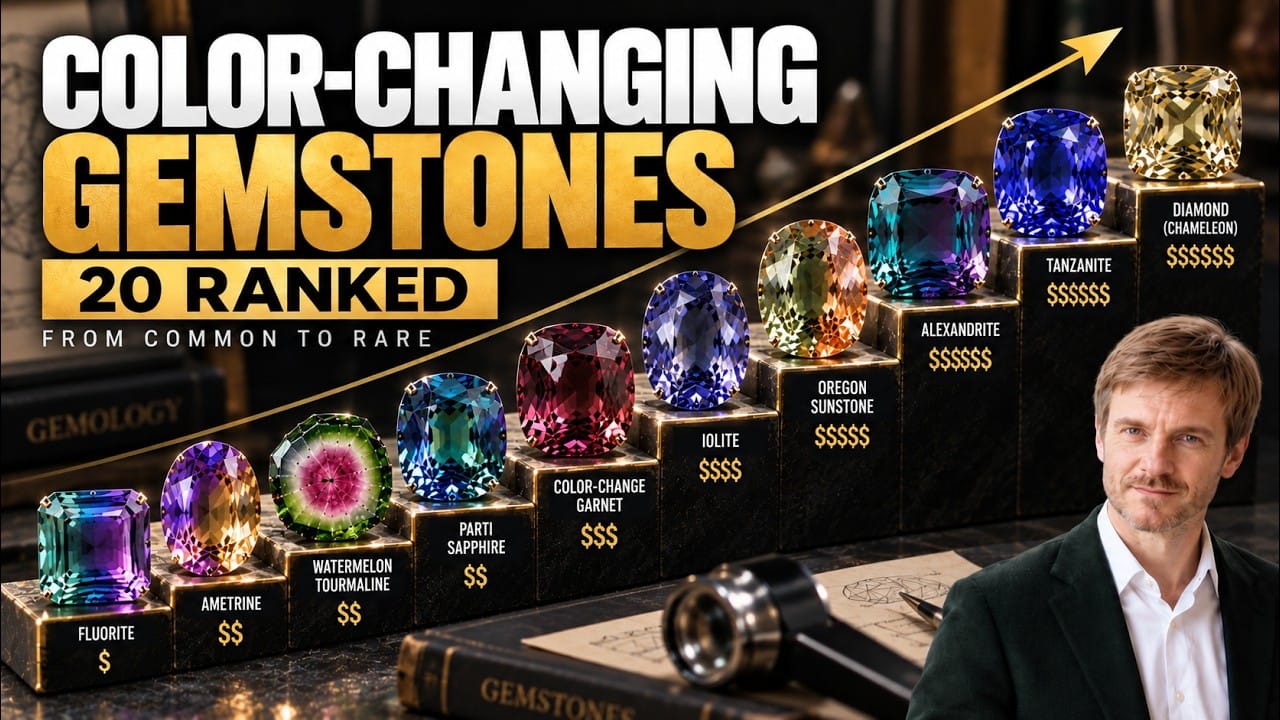
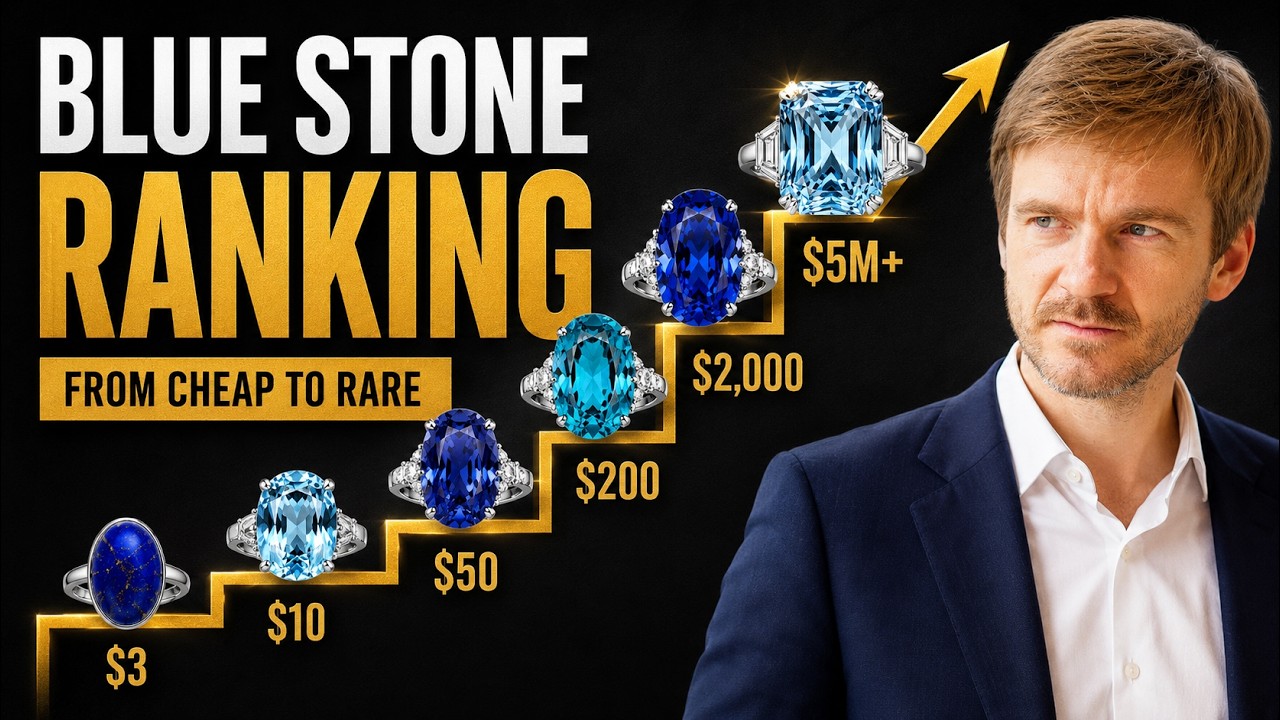
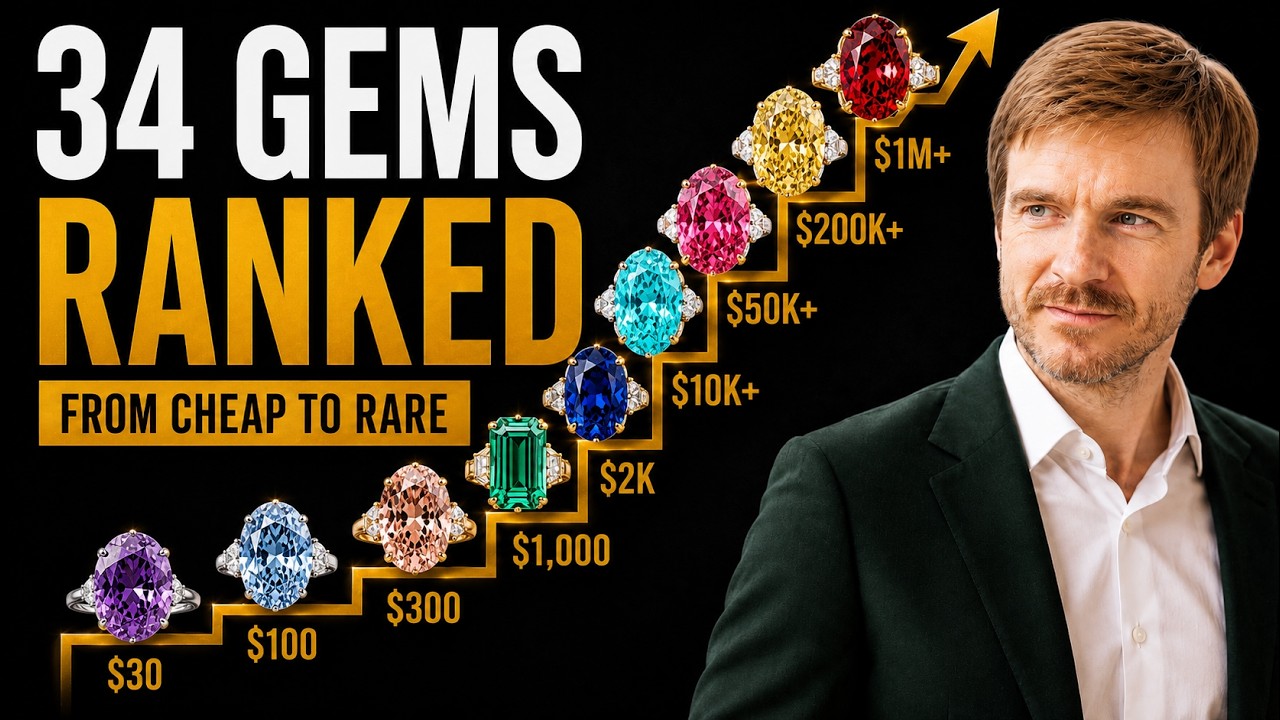
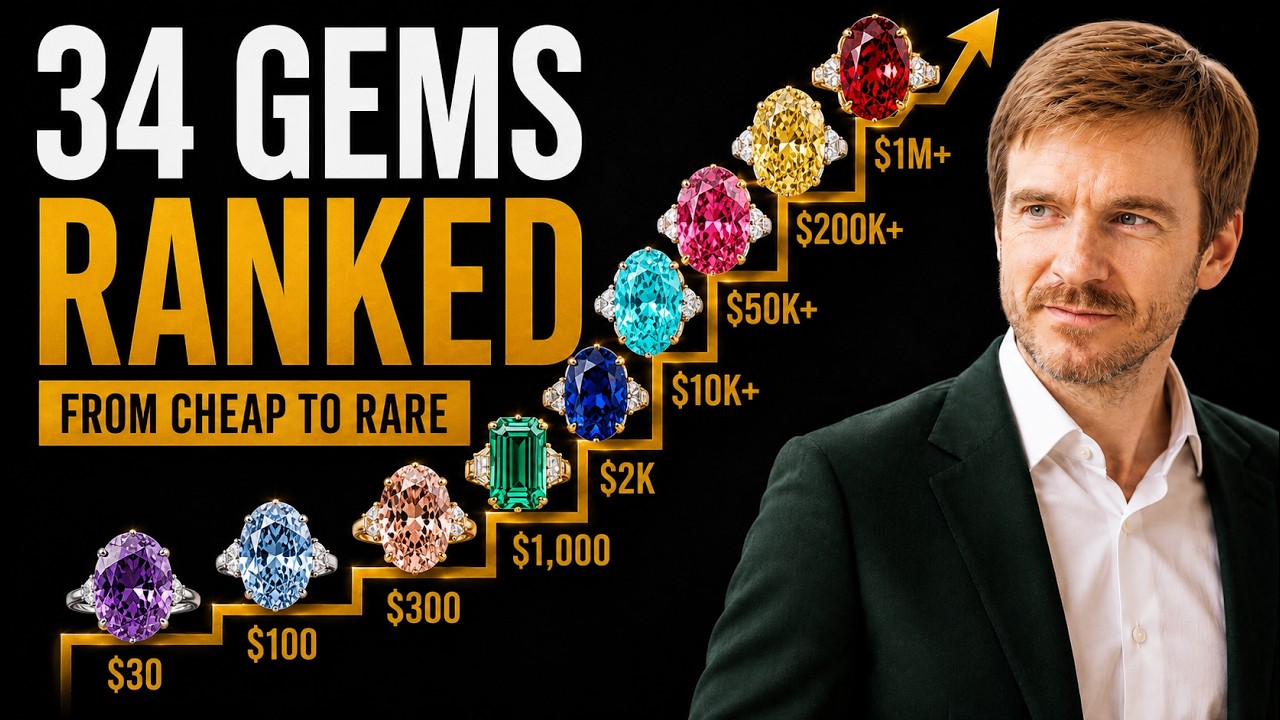
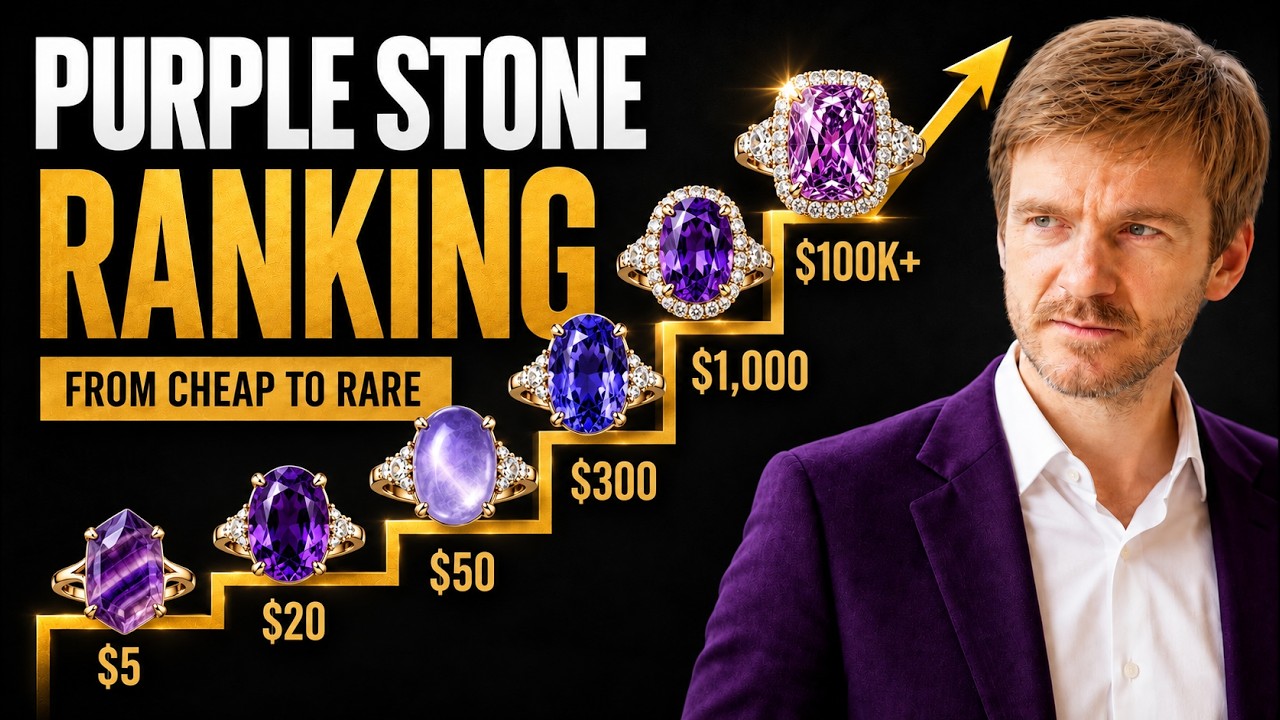
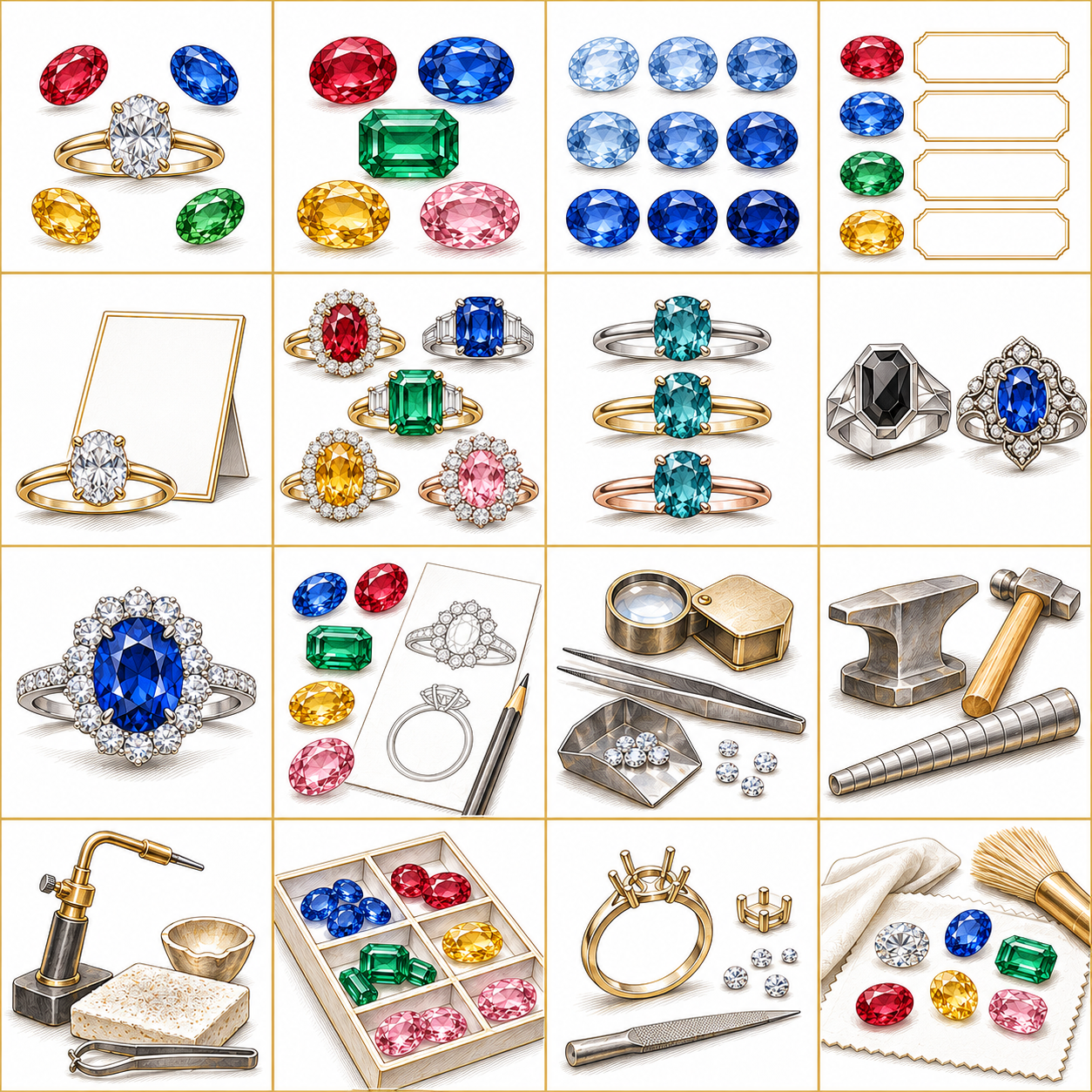
The color spectrum in gemstones is as wide and diverse as nature itself. From fiery red rubies to tranquil blue sapphires, sunny yellow citrines to romantic pink morganites, there's a color for every mood and personality. Each hue carries its own charm and appeal, creating a panorama of choices for those in search of the perfect gemstone.
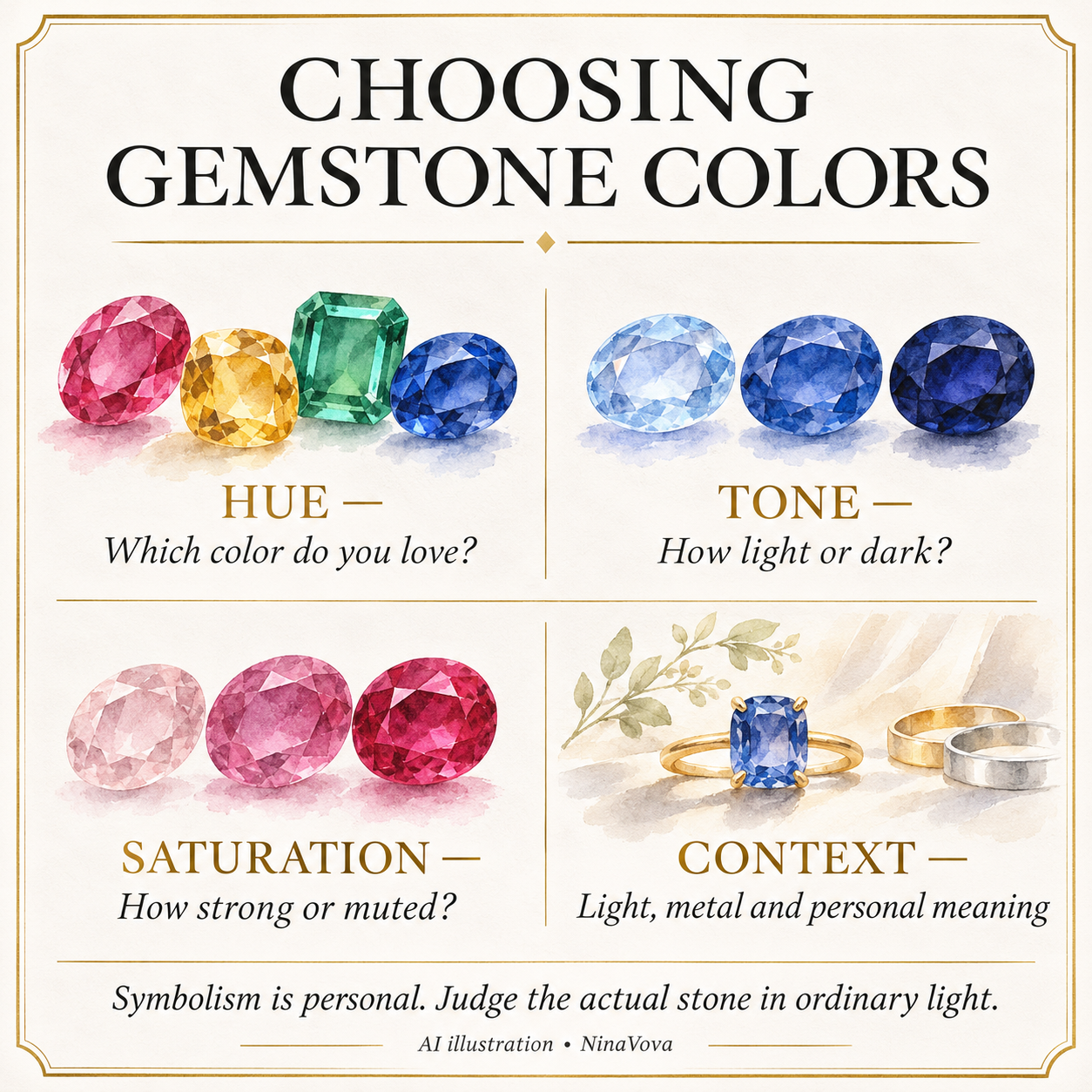
Hue, tone and saturation
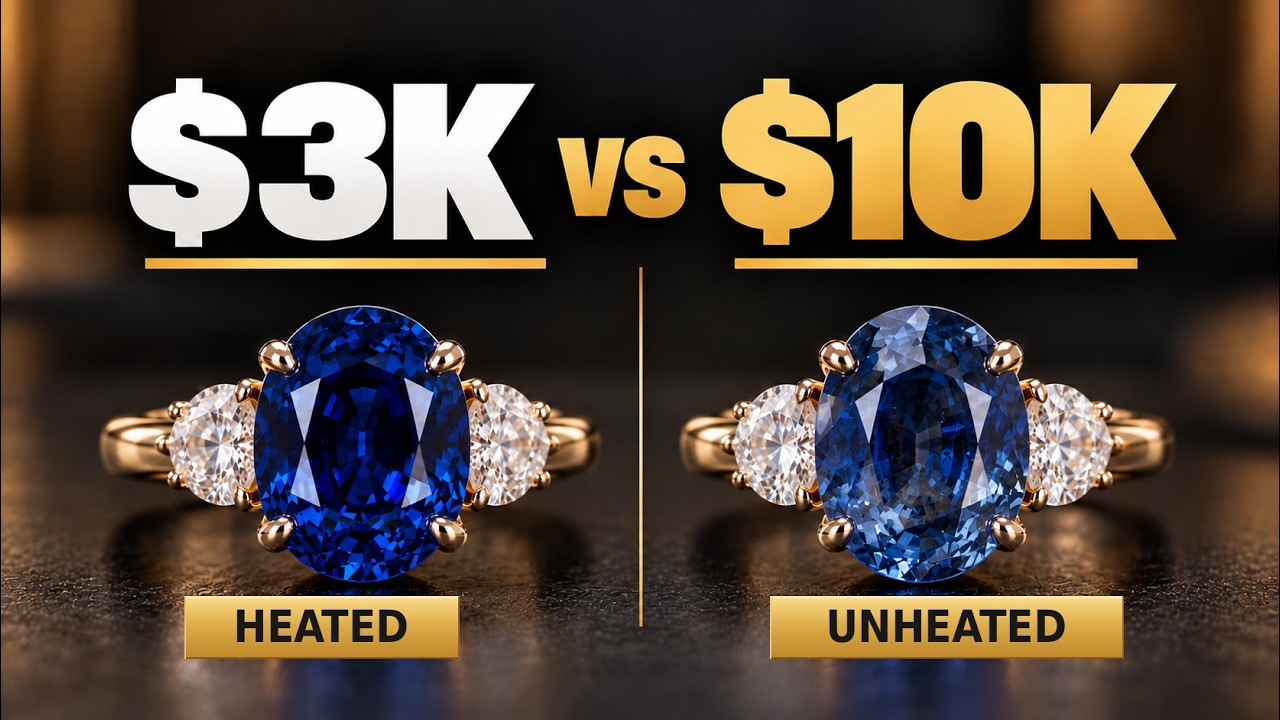
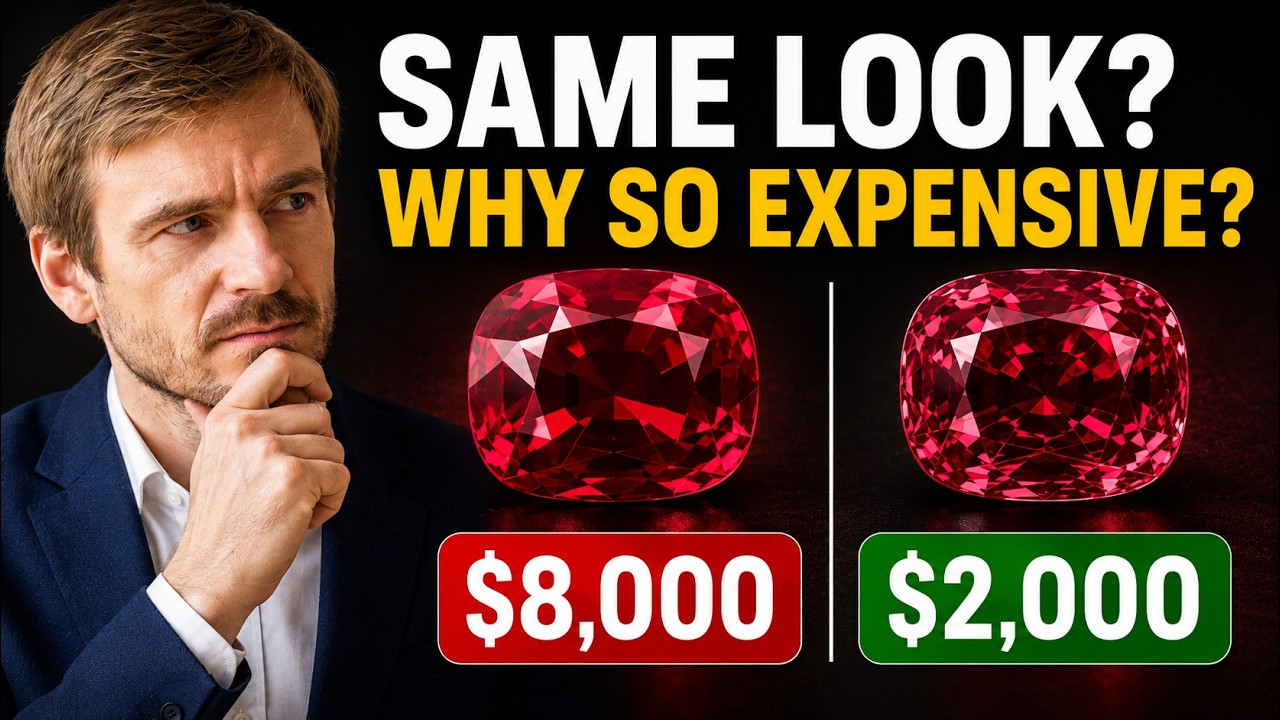
Color is often one of the most important value factors for a colored gemstone. Describe it in three dimensions: hue is the color family, tone is lightness or darkness, and saturation is the strength of the color. A pale blue, a vivid medium blue and an almost-black blue can all be sapphire, but they create different impressions. These descriptions are useful vocabulary, not a universal quality grade. GIA states that its colored-stone reports identify material and detectable treatments rather than provide a colored-stone quality analysis. Do not assume a report assigns a price or guarantees that you will prefer the stone. Compare actual appearance under ordinary lighting.
Make symbolism personal
Red is often associated with passion, blue with loyalty, green with growth and yellow with joy. These can be enjoyable starting points for a personal story, rather than scientific properties or a diagnosis of the wearer’s personality. A meaningful memory or favorite color can matter more than a conventional association.
Cultural meanings need context
Color associations vary between cultures, families and occasions. Red may suggest celebration to one person and something quite different to another. Ask the wearer which associations they enjoy instead of prescribing a color from a cultural identity. Meanings can be chosen personally; a gemstone does not guarantee health, prosperity or a particular relationship outcome.
Compare actual colored rings
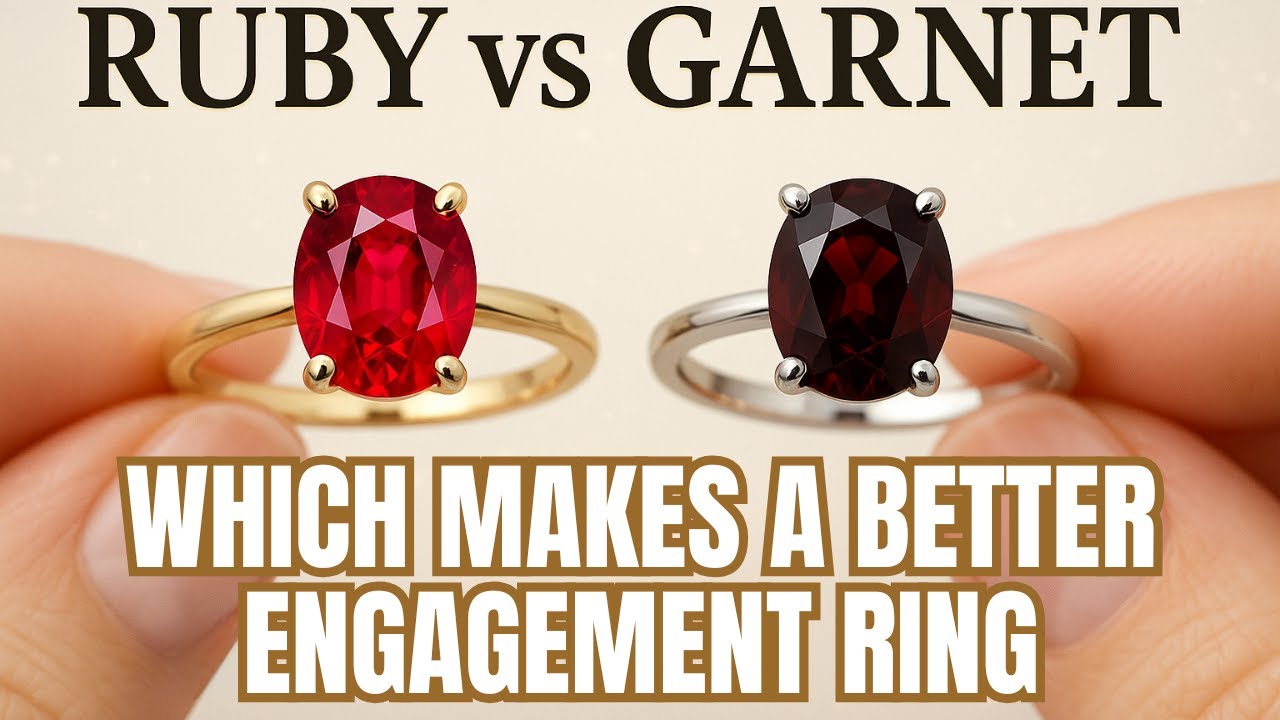
Compare actual ring photographs rather than choosing only from a color name. A ruby can create a strong red focal point, sapphire offers many colors, and morganite can give a softer peach-pink effect. These examples describe visual possibilities, not universal emotions that the stones produce. Color photographs remain dependent on light, camera and screen. Request normal indoor and daylight views of the specific stone, confirm its dimensions, and check whether the preferred balance remains attractive as the hand moves.

Pair the gemstone with the metal
Yellow and rose gold can create warm combinations with red, orange, yellow or peach stones. White metal can emphasize a different contrast around blue, green and colorless centers. These are design options, not rules: a blue-green sapphire in yellow gold can be beautiful, and contrast may be exactly what the wearer wants. Metal color can change the visual context, but it cannot turn a poorly suited stone into a different color grade or establish better light performance. Compare the complete design, preferably with examples of the actual materials.

Use color to guide the design
Color can inspire the ring’s overall direction. A black center might work in a crisp geometric setting, while a blue sapphire can suit either a traditional halo or a contemporary botanical design. The stone does not dictate one style; use it to discuss proportions, supporting colors and how much attention the wearer wants.
Use reference photographs carefully
A familiar celebrity or historical ring can be a useful reference for a color, silhouette or halo. It should not be treated as a reliable specification for a new order. Photographs do not establish exact carat weight, geographic origin, treatment or hidden construction. Tell the jeweler which feature you actually like, then compare the available stone and its real dimensions. A personal interpretation can preserve the appealing contrast without claiming to reproduce a named person’s ring or relying on unverified celebrity specifications.
Choose the color you enjoy
The right gemstone color is one the wearer enjoys across realistic conditions. It can reflect a memory, a preference or a deliberately chosen symbol. Keep the personal story alongside the practical checks: material identity, treatment, condition, dimensions, care and the complete design.
Frequently asked questions
Does GIA assign every sapphire a quality grade?
No. GIA says it does not grade or provide quality analysis for sapphire and other colored stones. Its reports address identification, detectable treatments and, for eligible services, origin opinions.
Must blue gemstones be set in white metal?
No. Metal pairing is a personal design choice. Blue and green can also work beautifully with yellow or rose gold. Compare the complete design and actual stone.
Make the color feel personal
Bring a few color and design references, then compare the actual stones, metal options and ordinary-light views before committing.
Book a NinaVova consultation or explore our custom design process.
Continue reading: Engagement gemstone overview · Gemstone video and lighting · Ring settings and protection.
Sources and further reading
- GIA: Colored gemstone value factors
- GIA: Does GIA grade sapphire or other colored stones?
- GIA: Gem photography
- GIA: Sapphire quality factors
Symbolism is an optional personal or cultural association, not a scientific property. Reference photographs can guide design, but they do not establish gemstone identity, quality or treatment.