
Jewelry Brand Values: Craftsmanship, Evidence and Service

Jewelry brand values become useful when they translate into details a buyer can check: clearly described materials, careful construction, specific sourcing claims and understandable service terms. Heritage, design and personal meaning can add appeal, but they should be considered alongside the evidence for the particular piece.
Translate a brand’s values into details you can check. Compare the finished piece, material descriptions, claim evidence, complete quotation and current service terms. A strong story is most useful when the specifications support it.
At a glance · Turn a brand story into practical questions · Inspect craftsmanship in the finished piece · Read material descriptions and reports accurately · Ask what sourcing records actually cover
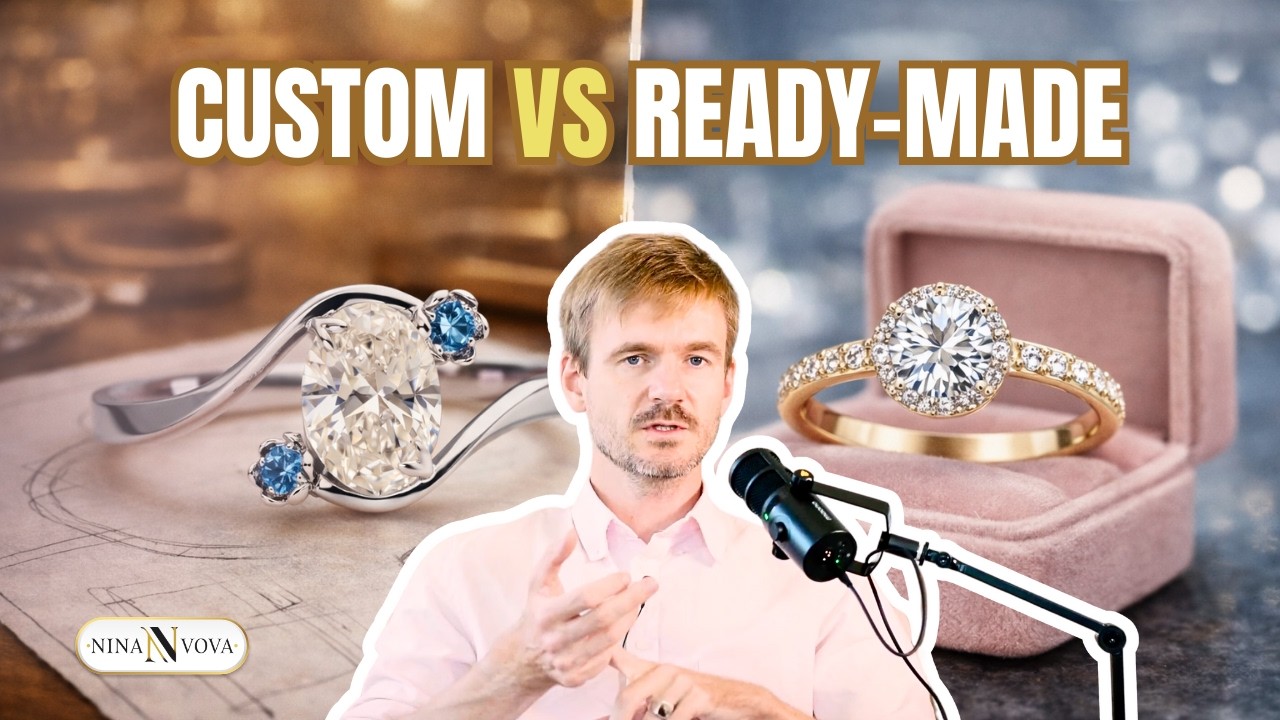
Watch the NinaVova discussion
Watch the original NinaVova video on YouTube.
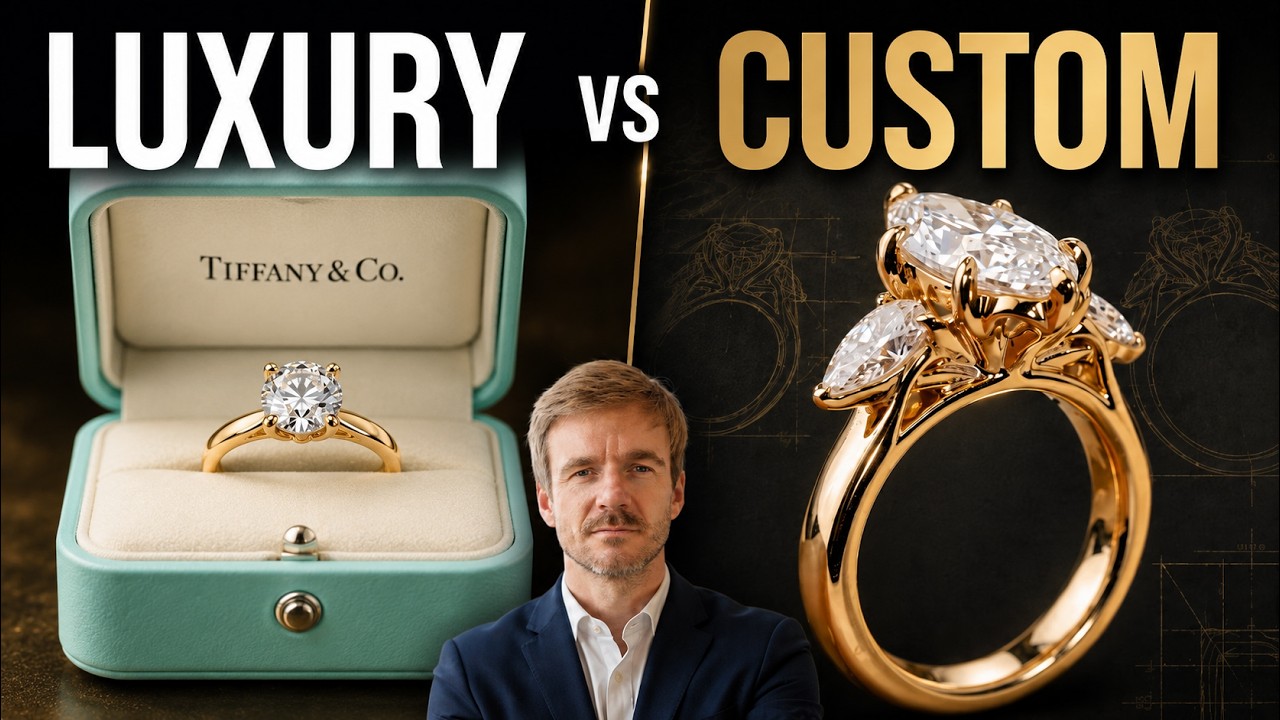
The NinaVova designer-ring discussion explores the relationship between brand, materials and complete value. This guide adds a practical checklist for evaluating brand claims and service.
From brand claim to useful evidence
| Value | What to check | Question to ask |
|---|---|---|
| Craft | Construction, settings and finish | What does the finished example show? |
| Materials | Alloy, gemstone identity and treatment | What is stated in writing? |
| Sourcing | Defined claim and applicable records | What does the evidence cover? |
| Environment | Boundaries and substantiation | Which impact is being measured? |
| Service | Current terms and exclusions | What happens if repair is needed? |
| Value | Complete price and personal priorities | What is included in the quotation? |
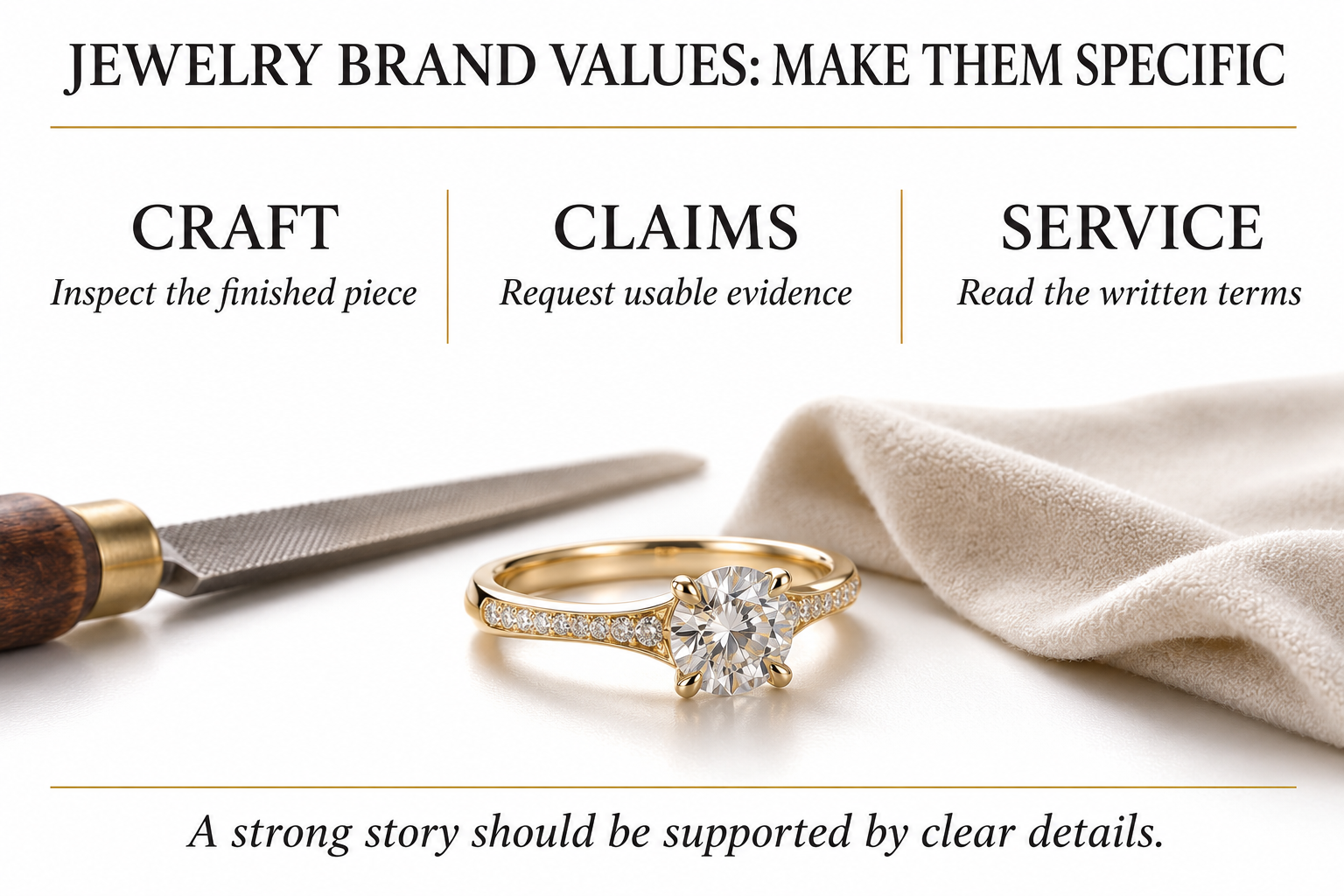
Turn a brand story into practical questions
A brand may emphasize craft, heritage, individuality, environmental responsibility or service. Ask what each statement means for the item being offered rather than accepting a list of attractive words.
A long history can provide context, but age alone does not establish the quality of a new piece. A newer maker can also offer clear specifications and well-executed work.
Likewise, limited edition and custom are descriptions that need definition. Neither automatically establishes a unique design, a particular production method or future resale value.
Choose the priorities that matter to you and ask for concrete answers. A consistent explanation across the design, invoice and service policy is more useful than a dramatic story.

Inspect craftsmanship in the finished piece
Look for a comfortable interior, smooth transitions, appropriate support and careful stone setting. Deliberate texture should be distinguishable from unfinished areas that catch or cause discomfort.
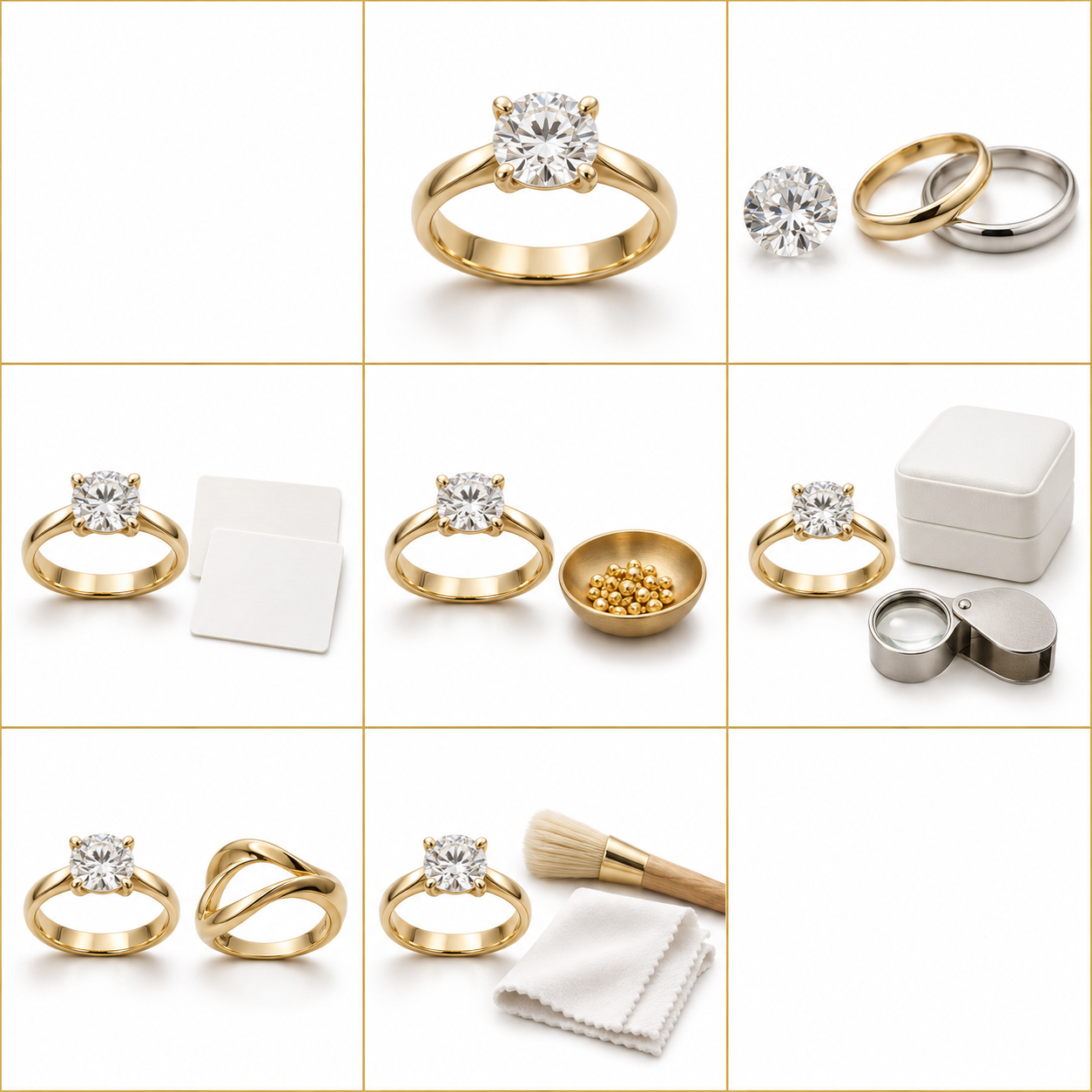
Fine detail needs enough structure for its intended use. A thin profile or intricate openwork may be attractive without being suitable for every wearer or activity.
Ask how the piece is made when process matters to you. Handwork, casting and digital planning can contribute in different ways, and none is a universal quality guarantee.
Compare actual examples at a realistic scale. Enlarged images and renderings can help communicate detail but cannot fully replace an assessment of the finished construction.
Read material descriptions and reports accurately
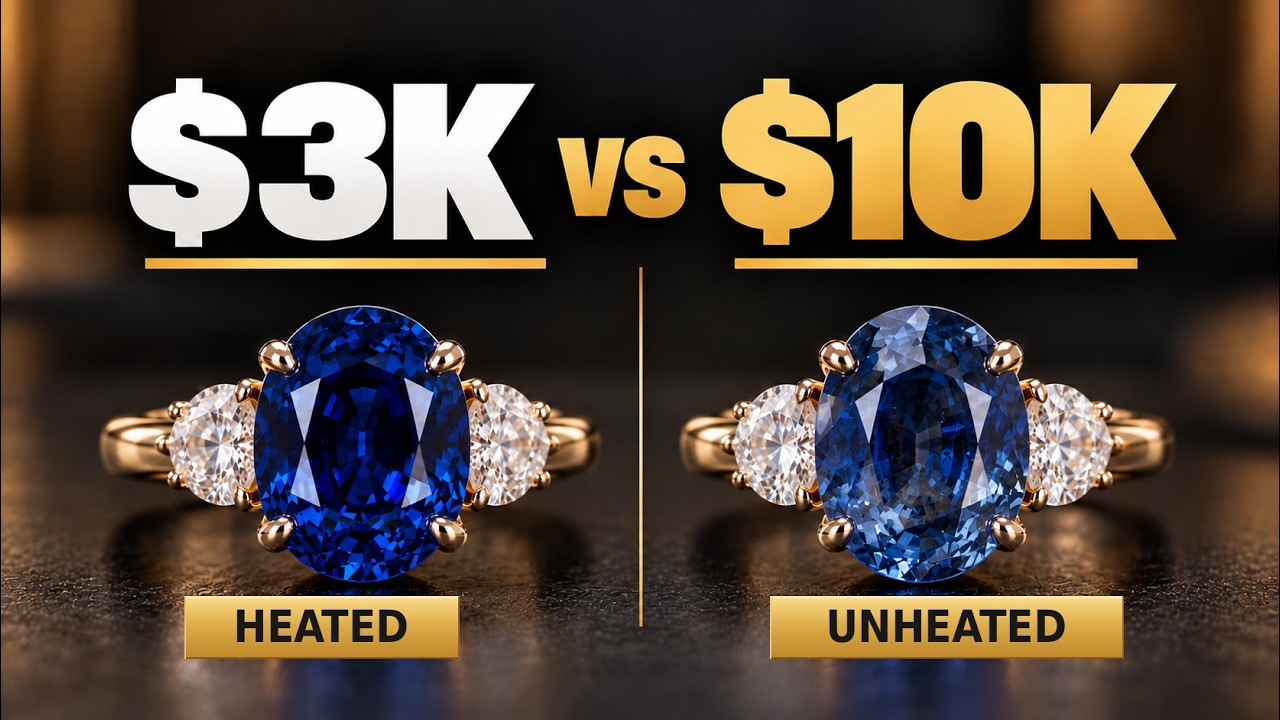
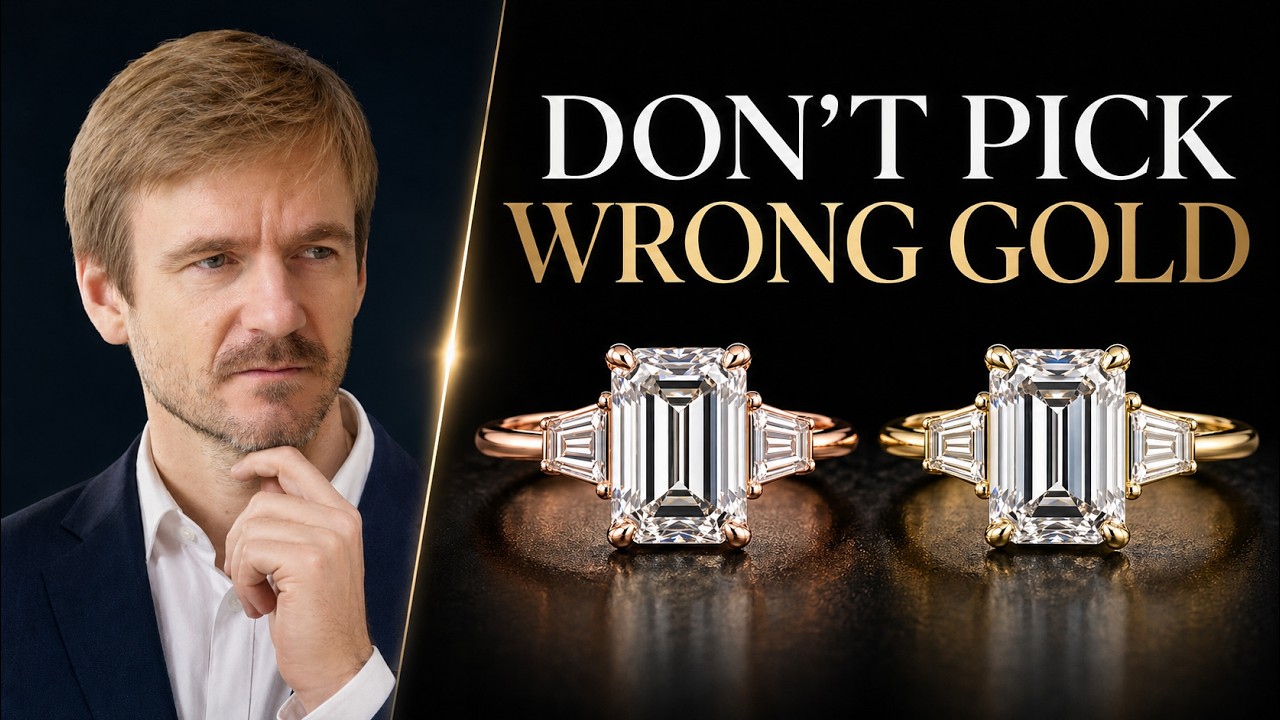
Establish the metal alloy, finish and any plating, together with gemstone identity and relevant treatment. A precious-metal color or a historical style name does not supply these facts.
Higher gold purity is not automatically the best choice for every ring. Compare the particular alloy, construction and ownership needs rather than using purity as a complete durability grade.
If a laboratory report is supplied, check its scope and relationship to the stone. Grading, geographic origin and an insurance valuation are different questions.
Clear written descriptions make future repair and comparison easier. They also help prevent a total gemstone weight from being mistaken for the weight of a single center.
Ask what sourcing records actually cover
An origin statement, supplier policy, company audit and product-specific certification should not be assumed to mean the same thing. Ask which evidence supports the claim for the order.
If a standard is cited, establish the entity, scope and applicable period. A logo or organization membership does not automatically certify every stone and component sold by the business.
Preserve uncertainty where records are incomplete. A precise statement of what is known is more credible than a broad guarantee extending beyond the available evidence.
Artistic heritage, a local address and a personal relationship with a maker can matter to the buyer, but they do not independently establish conditions throughout a supply chain.
Evaluate environmental claims separately
Recycled metal and laboratory-grown gemstones describe aspects of material history or production. Neither term by itself proves that the finished piece has no environmental impact.
Ask which percentage or component a recycled-content claim covers and which definition is used. Solder, findings, stones and other parts may require separate descriptions.
For carbon or other comparative figures, request the basis, boundaries and comparison. A result from one process or location should not be presented as universal for all jewelry of that type.
Consider longevity, appropriate care and repairability as part of the practical decision. These are useful ownership questions without needing to claim a measured environmental saving that has not been established.
Assess service through written terms and useful reviews
Read current delivery, return, repair, alteration and warranty terms for the specific order. A warranty’s scope and exclusions matter more than the word alone.
Look for reviews that describe communication, the finished item and how issues were handled. An isolated endorsement does not prove that every purchase will have the same outcome.
Check whether a review or recommendation involves a paid relationship or another incentive when that information is disclosed. Popularity should not replace your own questions about materials and service.
Keep correspondence and the final agreed specification. Clear records help both buyer and maker understand what was promised if an issue arises.
Balance personal design with complete value
A wearer may value an understated band, an unusual stone or a familiar design more than exclusivity. There is no need to treat a conventional style as less meaningful.
Customization can add a personal detail when feasible, but it does not guarantee perfect fit, identical emotional responses or that no similar ring exists anywhere.
Compare complete prices for equivalent specifications and included services. Brand recognition, design work and materials may all contribute differently to the quotation.
A higher purchase price does not guarantee investment performance. Personal value, replacement cost and likely resale proceeds should not be treated as the same measure.
Plan ownership beyond the first impression
Ask about resizing limits, likely maintenance and access to future repairs. Extensive stone coverage, unusual materials or fine decorative work can restrict what is practical.
Choose care appropriate to all components, and remove jewelry for unsuitable work or impact. Periodic inspections can identify wear without guaranteeing that damage or loss will never occur.
Store the invoice, material description and report details securely. Accurate records are useful if the piece is repaired, insured or passed to another person.
An heirloom is a possible future role, not a promised result. Suitability, continued care and the preferences of future wearers all influence whether jewelry remains in use.
Use a consistent checklist when choosing a maker
Compare the actual piece, documented materials, claim evidence, complete quotation and service terms. If a priority remains unclear, ask for clarification before approving the order.
At NinaVova, bring the design and sourcing priorities that matter to you. Available stones, practical construction and current project terms should be discussed for the specific commission.
A brand’s stated values should be visible in the clarity of its explanations as well as its photographs. It is reasonable to distinguish a design ambition from a verified material or supply-chain claim.
The aim is a piece you enjoy owning with expectations you understand. Strong brand values support that decision when they are specific enough to assess.

Frequently asked questions
Does handmade automatically prove higher quality?
No. Examine the actual construction, fit, setting and finish.
Does a certification logo cover every item?
Not necessarily. Check the entity, standard and applicable scope.
Does a higher purchase price guarantee resale performance?
No. Purchase, replacement, personal and resale values are different measures.
Bring your priorities into the design conversation
We can discuss the details, materials, sourcing questions and ownership needs that matter to you for the particular order.
Book a NinaVova consultation or explore our custom design process.
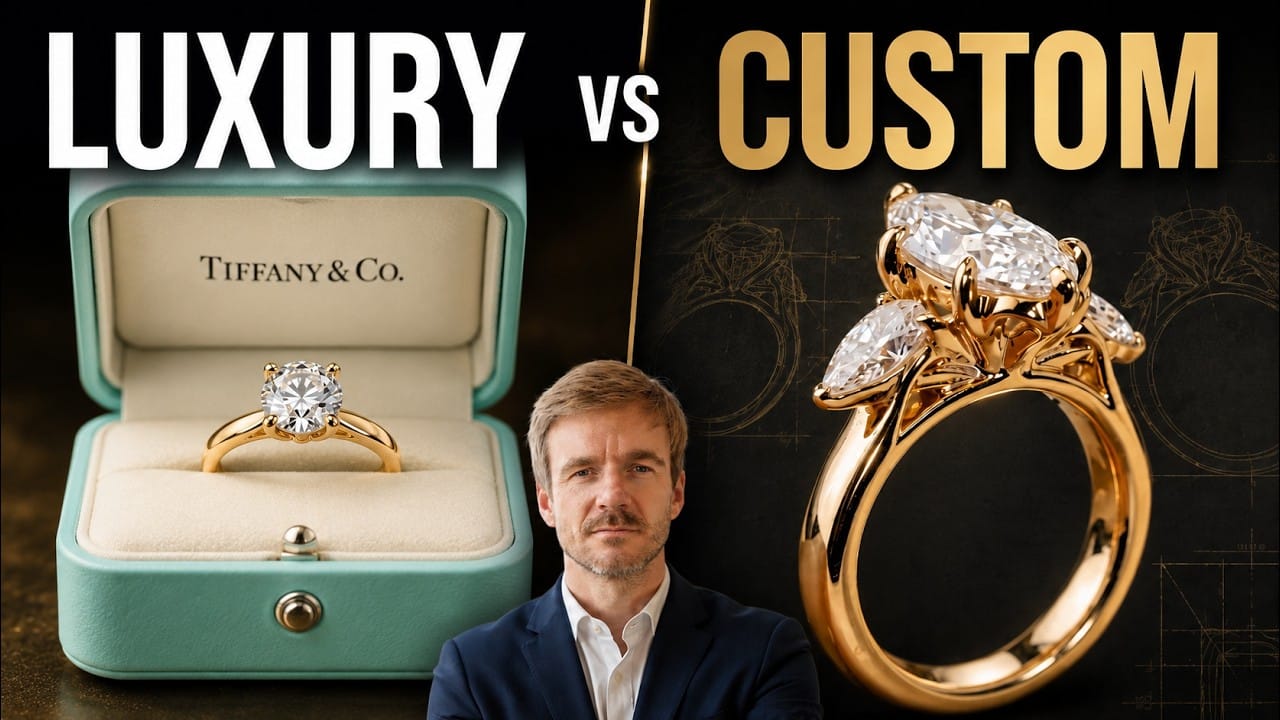
Continue reading: Designer versus custom · Recycled-gold evidence · Consultation preparation.
Sources and further reading
- Responsible Jewellery Council: Chain of Custody scope
- CIBJO: Defined recycled-gold categories
- GIA: Buying an engagement ring
- NinaVova: Current project and service terms
Confirm the actual materials, condition, evidence and current written terms for the offered ring. Illustrations do not establish identity, provenance, certification or an environmental footprint.