
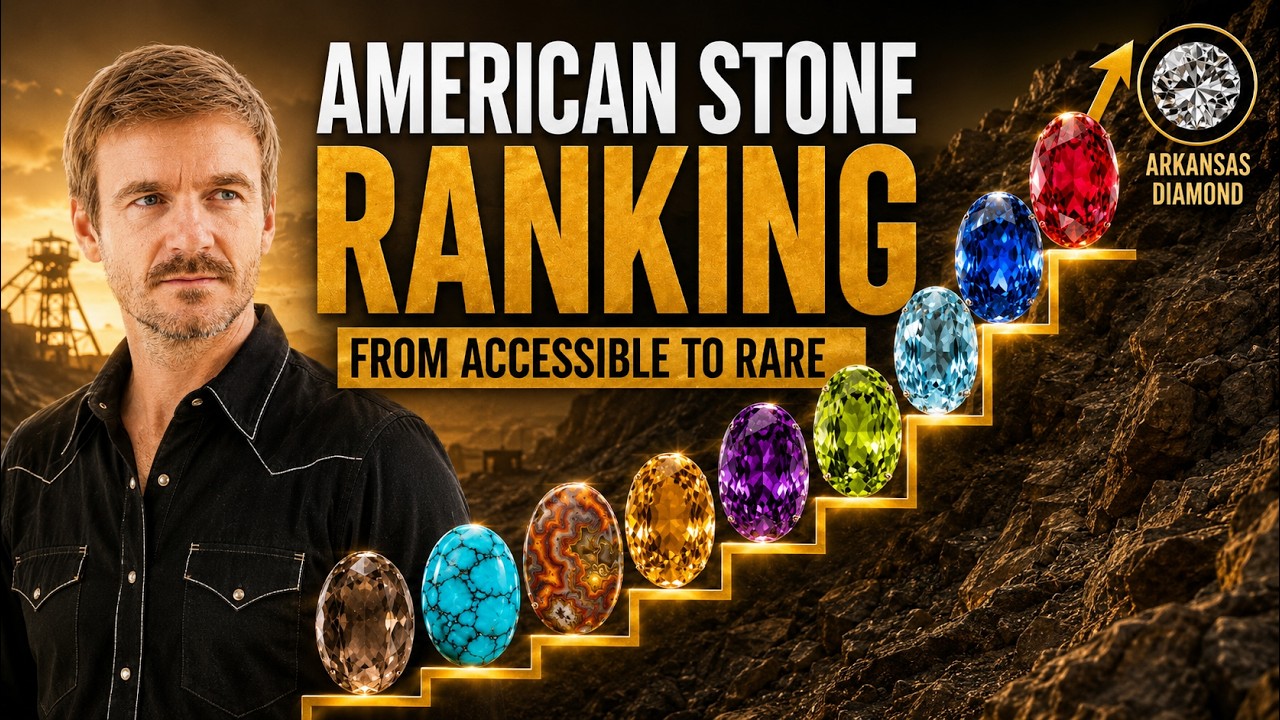
25 American Gemstones for Engagement Rings: Origin, Color and Care

America produces far more engagement-ring gemstones than most buyers realize.
Some are inexpensive regional stones you can still buy today. Others are serious engagement-ring centers with excellent color and durability. And once we reach the rarest material, American origin itself can become a major part of the price.
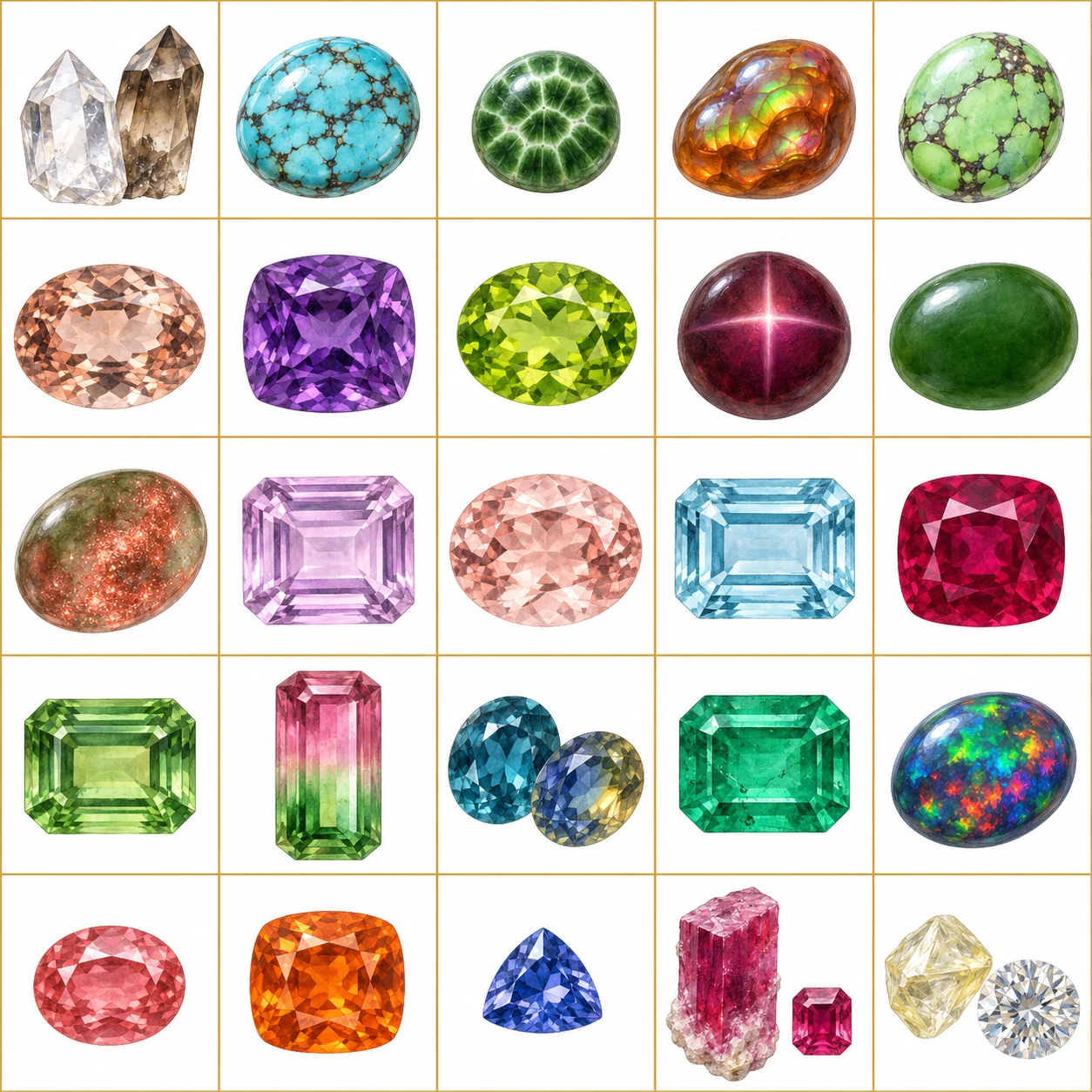
These 25 examples show the range of gemstones associated with American localities. Current availability varies, especially for historic mine material; an occurrence in the United States does not guarantee a suitable center stone is in stock.
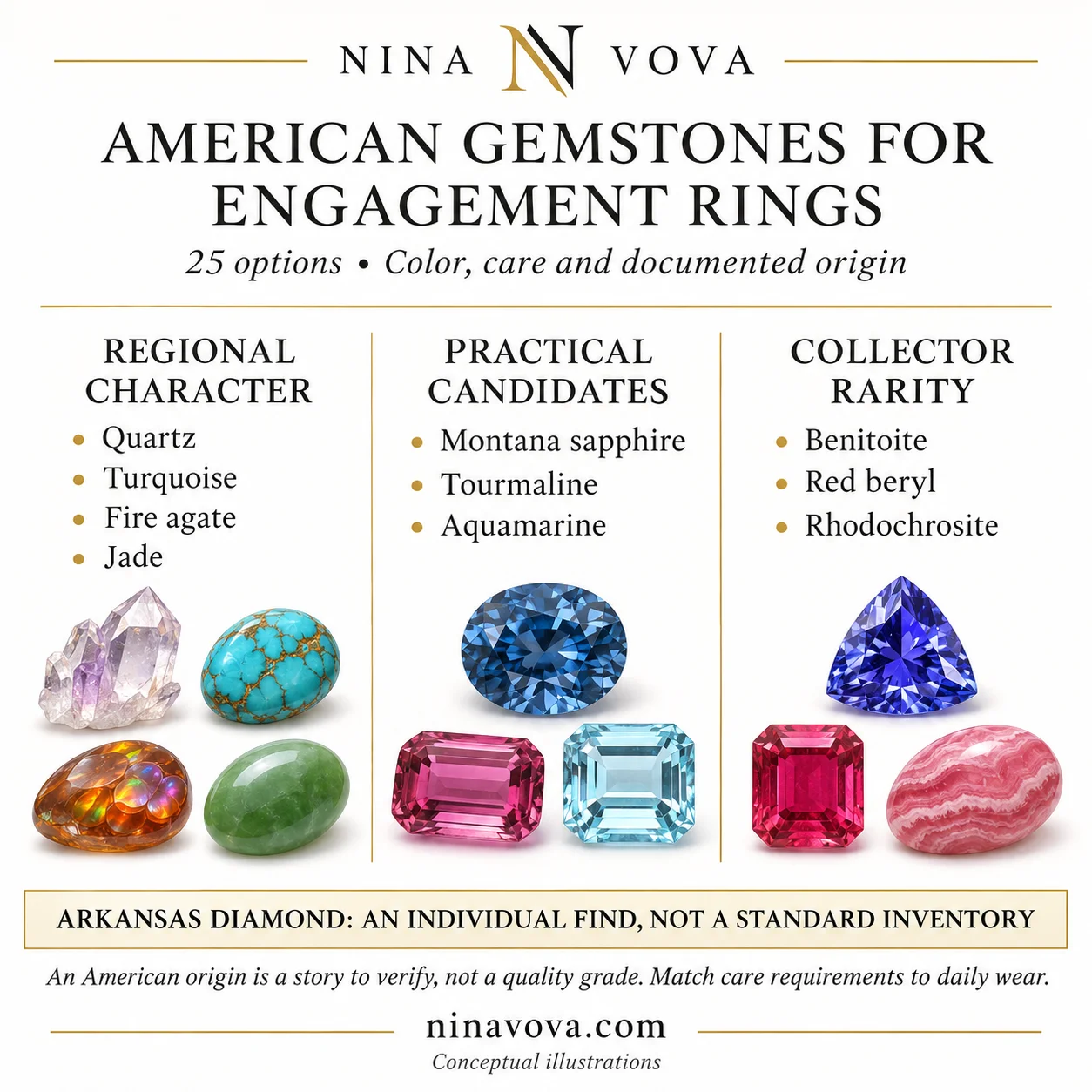
I divided them into 3 groups: Accessible American Stones, Real Engagement-Ring Center Stones, and American Rarity Starts Controlling Price.
The three groups offer a way to compare regional character, ring suitability and collector rarity. They are not a fixed retail price order. For every material, consider scratch resistance, toughness, stability, treatment and documented origin.
And after all 3 groups, there is one wildcard that doesn’t fit normal pricing at all: a natural diamond from Arkansas.
Let’s start with Accessible American Stones.
Verify the locality—and choose the stone for real wear. American origin can make a ring personal, but it is not a quality grade. Montana sapphire is a strong daily-wear starting point; tourmaline, aquamarine and other materials bring different color and care tradeoffs. Rare localities can limit size, selection and documentation.
At a glance · 1. Arkansas Quartz / Smoky Quartz · 2. American Turquoise · 3. Michigan Greenstone / Chlorastrolite · 4. Arizona Fire Agate
Watch the NinaVova discussion
Watch the original NinaVova video on YouTube.
Compare American gemstone directions at a glance
| Group | Examples | Main buying question |
|---|---|---|
| Accessible regional character | Quartz, turquoise, fire agate, jade | Does the pattern or color fit the design, and are treatments and care understood? |
| Potential ring centers | Montana sapphire, tourmaline, aquamarine, morganite | Can you find the color, condition and size you want with suitable care requirements? |
| Collector rarity | Red beryl, benitoite, fine rhodochrosite, American emerald | Is provenance documented, and does the actual stone justify the premium and practical compromises? |
| Arkansas diamond wildcard | An individual natural diamond find | Can the ring be built around the specific available stone instead of standardized specifications? |
1. Arkansas Quartz / Smoky Quartz
Arkansas is famous for quartz from the Ouachita Mountains, where crystal-bearing veins have been mined commercially for decades. The state produces clear rock crystal, and occasionally natural smoky quartz good enough to facet.
That means you can get a very large, transparent American center stone for surprisingly little money. Some faceted Arkansas smoky quartz reaches well into double-digit carat weights without becoming expensive.
The interesting part is color. Quartz can be irradiated to create or deepen smoky color, so American origin and natural color are 2 separate things to verify.
2. American Turquoise
Nevada and Arizona have produced dozens of recognizable turquoise varieties. Some are clean sky blue. Others are green, heavily matrixed, or covered in tight spiderweb patterns.
That is why names such as Kingman, Bisbee, Royston, or Sleeping Beauty can actually describe a visual style rather than simply a location.
Treatment matters just as much. Turquoise is porous, so stabilization is common and can make softer material much more usable in jewelry. Fine untreated turquoise belongs to a different market.
With turquoise, knowing the mine and knowing the treatment can matter almost as much as the color.
3. Michigan Greenstone / Chlorastrolite
Michigan Greenstone, or chlorastrolite, is Michigan’s official state gem.
Polished pieces show a radiating green pattern that can resemble a turtle shell. Most gem-quality pieces are small, which is why you usually see them as cabochons rather than large faceted centers.
That small size is actually part of the charm. A Michigan ring can use a gem that is visually tied to the place instead of simply importing a familiar stone and adding a local story afterward.
4. Arizona Fire Agate
Fire agate can look as if metallic flames are trapped beneath the surface.
The effect comes from extremely thin iron-rich layers inside chalcedony. The cutter has to follow those layers carefully because cutting too deep can remove the color entirely.
That makes fire agate unusual: cutting is not just about symmetry or brilliance. The cutter is uncovering the optical effect one layer at a time.
For a nature-inspired ring, it gives you an American stone with a look that is almost impossible to confuse with anything else.
5. Nevada Variscite
Variscite often gets mistaken for turquoise because both can be green and both can show dramatic matrix.
Chemically, variscite is an aluminum phosphate, and fine Nevada material can range from soft apple green to deeper greens with black or brown webbing.
Nevada variscite is associated with a range of localities. Confirm the actual source and current availability of any stone being offered.
Its real limitation is softness, around Mohs 3.5 to 4.5. The value is in pattern, color, and locality rather than traditional faceted-gem performance.
6. Utah Topaz
Utah topaz gives us one of the best durability lessons in the video.
Topaz is Mohs 8, yet it has perfect cleavage. A hard strike in the wrong direction can split it even though it resists scratching quite well.
Topaz Mountain adds another strange detail. Some crystals come out naturally sherry or amber and gradually fade toward colorless after exposure to sunlight.
The useful lesson is how differently hardness, toughness, and color stability can behave in the same stone.
7. American Amethyst
Four Peaks in Arizona is a well-known American source of gem-quality amethyst. Fine material can show rich purple to purplish-red color, but zoning and variable transparency make good faceting rough less predictable than the amount of amethyst in the ground might suggest.
Georgia also produces excellent material around Jackson’s Crossroads, although finding a specific Georgia center stone usually takes more hunting.
Generic amethyst is inexpensive. Fine American amethyst earns its premium through color, cutting, and documented origin together.
8. Arizona Peridot
Arizona peridot is different because the American source is important on a world scale.
Peridot Mesa on the San Carlos Apache Reservation has historically produced thousands of carats of gem-quality peridot in sizes suitable for jewelry, and the material has been sold internationally.
That gives this stone a stronger story than “peridot happens to occur in Arizona.”
It is naturally green, usually sold without the kind of routine color treatment we see in many other gems, and it gives an engagement ring a distinctly warm yellow-green color.
9. Idaho Star Garnet
Idaho star garnet is cut for one reason: the star.
Aligned inclusions can create a 4-rayed, and sometimes 6-rayed, star across a dark red-purple cabochon. The stone has to be oriented correctly before cutting, so a strong centered star is evidence that the cutter understood the rough.
Emerald Creek is a recognized source of gem-quality star garnet. Confirm current availability and the documentation behind a particular stone.
Here the quality of the optical effect is a major part of judging the stone; it is not an official quality grade.
10. Wyoming Nephrite Jade
Wyoming jade flips the topaz lesson around.
Nephrite is only around Mohs 6 to 6.5, yet its interlocking fibrous structure makes it exceptionally tough. It can resist breaking far better than many harder stones.
That makes it useful for carved centers, bold cabochons, and low-profile rings where the material itself becomes part of the design.
The main quality questions are color, texture, translucency, and cracks. Carat weight tells you very little by itself.
11. Oregon Sunstone
Oregon sunstone is where this list starts feeling much more familiar as an engagement-ring category.
Copper inside the feldspar can create red, green, peach, bicolor, and glittering aventurescent material. Those copper platelets can actually increase value, which is the opposite of the usual instinct to avoid visible inclusions.
The highest-value Oregon sunstones are usually strong red, green, or bicolor stones, especially when the copper inclusions create an attractive shimmer.
Sunstone still has feldspar cleavage, so I would choose the stone for color and overall beauty first, then treat the copper effect as the bonus that makes it uniquely Oregon.
12. California Kunzite
California kunzite can give you a very large pink or violet center stone without a very large price.
The Pala district is central to the gem’s history, and kunzite became one of California’s famous pegmatite gems alongside tourmaline and morganite.
Its problem is twofold: spodumene has cleavage, and prolonged intense light can fade the color.
Large, clean kunzite crystals are relatively common, which is why impressive carat weights can remain surprisingly affordable. The attraction comes from the California history, pink-violet color, and unusual size.
13. American Morganite
California and Maine both have genuine morganite history.
California is the more practical sourcing direction today. Maine produced spectacular material, including the famous Rose of Maine, but finding a specific Maine-origin center stone can take considerably longer.
Morganite is beryl, so it has better scratch resistance than sunstone or kunzite, and the color usually runs from peach to pink or salmon.
I would choose saturation first. American provenance comes after.
14. American Aquamarine
Colorado aquamarine has one of the best origin stories in the video.
Important material comes from the Mt. Antero area at roughly 13,000 feet in the Rocky Mountains, where small mining operations and prospectors have worked high-elevation pegmatites for gem crystals.
Maine also produces genuine aquamarine, but selection is less predictable.
Aquamarine is durable enough to be a serious engagement-ring center, so the buying decision becomes very simple: color and cut have to justify the stone before the mountain story does.

15. North Carolina Ruby
North Carolina ruby has excellent ring durability because ruby is corundum: Mohs 9, high toughness, and no cleavage.
The challenge is finding American material with strong red color, useful transparency, and enough size to become a convincing center stone.
North Carolina still produces corundum, but much of it is better suited to specimens or cabochons.
A fine faceted North Carolina ruby is special because all the difficult things happened at once: the crystal formed there, survived with good color and transparency, and was large enough to cut.
16. North Carolina Hiddenite
Hiddenite carries its American origin in the name.
The classic material is chromium-bearing green spodumene from the Hiddenite area of North Carolina. The name has sometimes been applied loosely to pale-green spodumene from other places, so provenance matters more here than most buyers realize.
Fine true hiddenite can reach an emerald-like green, but it still has the cleavage of spodumene.
For me, the attraction is the combination of real locality history and unusual color. If the seller is charging for “North Carolina hiddenite,” that origin should be documented.
17. American Tourmaline
American tourmaline gives us 2 major stories in one gem family.
Maine has produced green, pink, blue-green, bicolor, and watermelon tourmaline since the early 1800s.
California went in another direction. Pink tourmaline from San Diego County became so desirable in China that an estimated 90 tons were shipped there before 1910, driven in part by Empress Dowager Cixi’s enthusiasm for the material.
For a modern engagement ring, tourmaline gives you real color freedom and useful center-stone sizes. Price follows color heavily, so an exceptional pink, blue-green, or multicolor stone can justify a premium much more easily than an ordinary stone with a famous mine name.
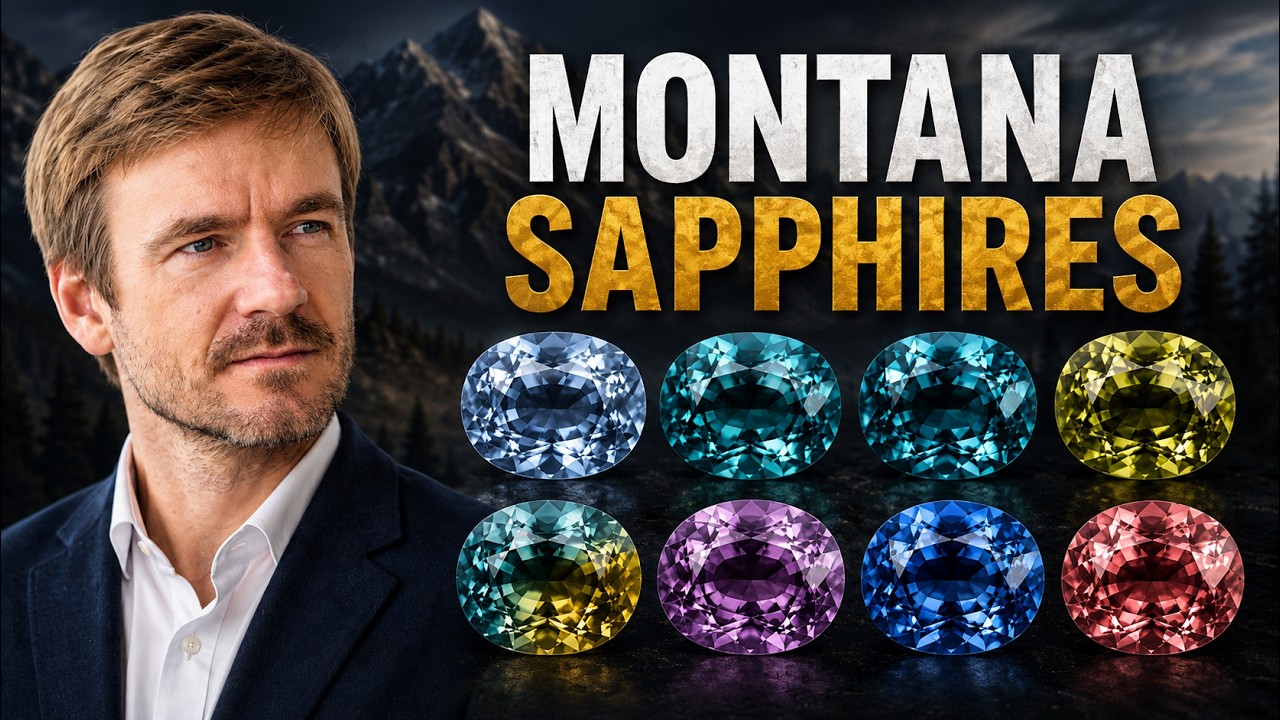
18. Montana Sapphire
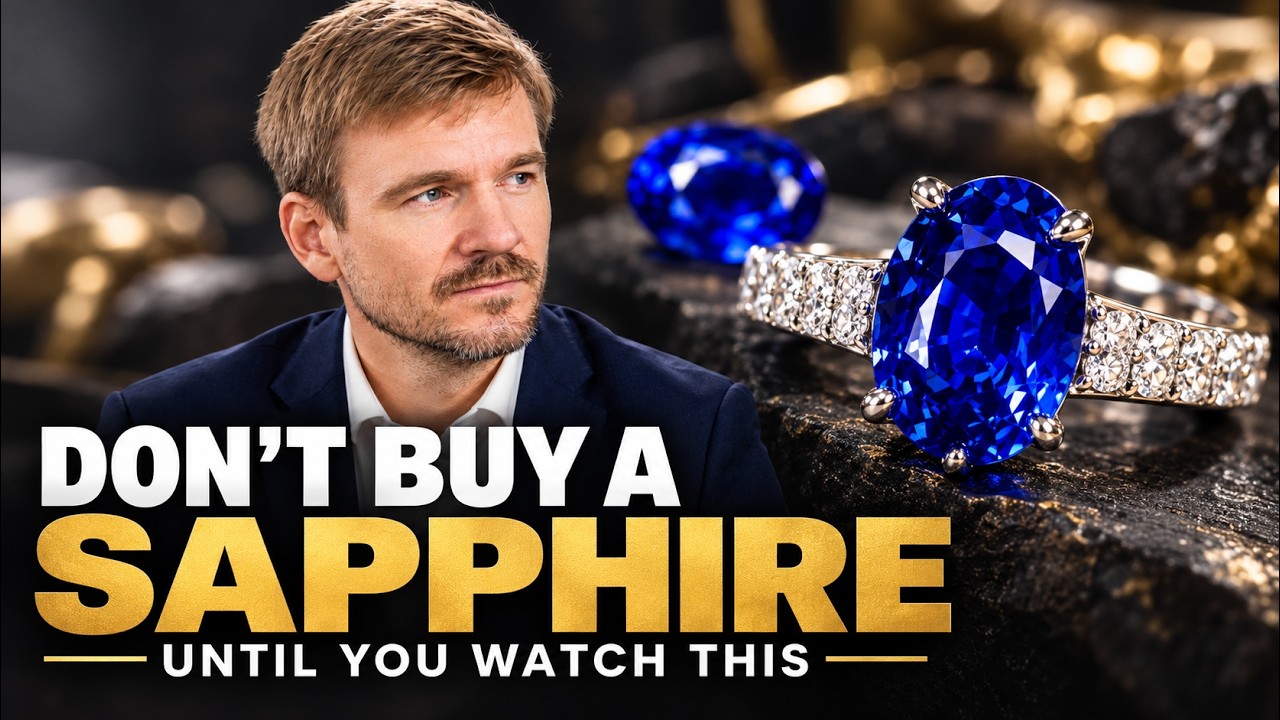
Montana sapphire is the most important practical engagement-ring stone in this entire list.
Sapphire has been mined in Montana for more than 150 years. Some early material was found during gold mining, and Montana sapphire later became useful industrially for watch and instrument bearings.
Today the appeal is color. Montana material can be blue, teal, green, yellow, and other fancy colors, which gives a custom-ring buyer much more freedom than most American localities.
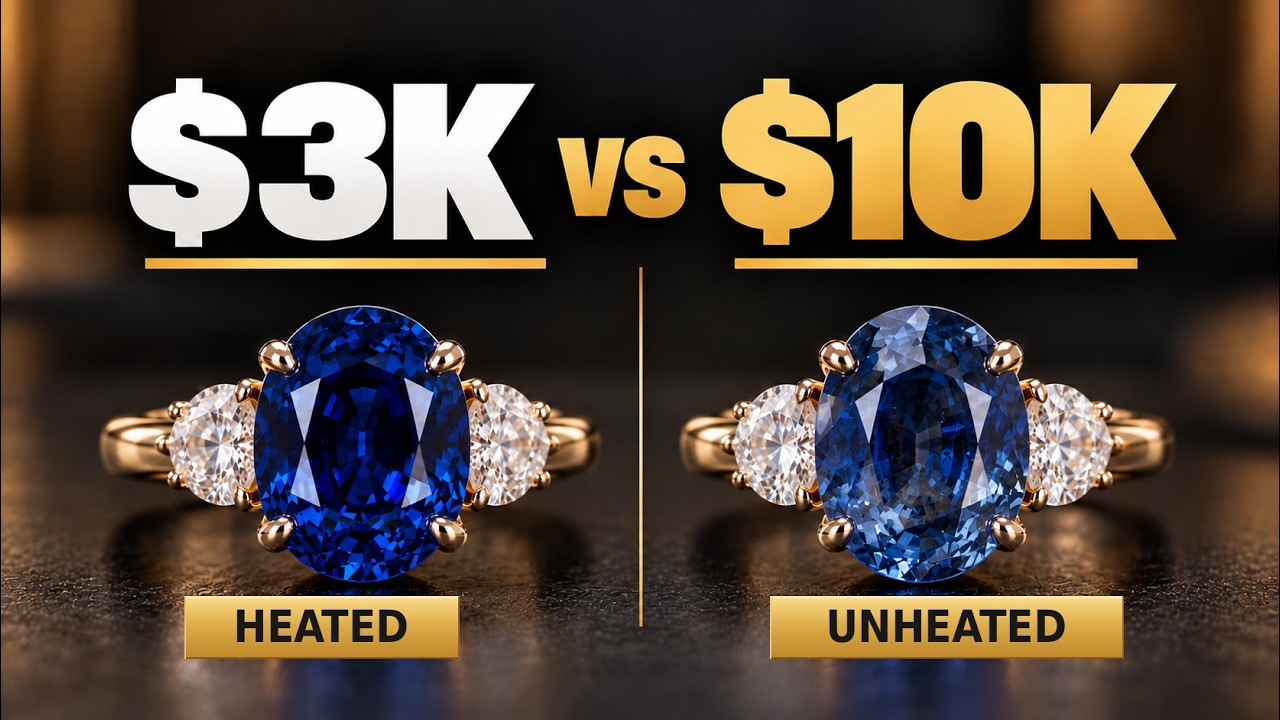
Heat treatment is common in secondary-deposit Montana sapphire and can dramatically improve pale material. That is normal; disclosure and price are what matter.
Yogo deserves its own mention. Yogo sapphires come from a different primary deposit and are known for naturally even blue to violet-blue color. They are generally not heat treated, but the rough is often flat and tabular, so larger finished stones are difficult.
With Mohs 9 and excellent toughness, Montana sapphire combines provenance, color, size, and daily-wear practicality better than anything else here.
For a closer comparison, see our dedicated Montana sapphire buying guide.
19. North Carolina Emerald
North Carolina has produced genuinely fine emerald from the Hiddenite area, and good transparent material immediately becomes both a gemstone and a locality collectible.
The difficulty is that emerald quality already depends heavily on fractures, clarity, color, and treatment. Add rare American origin, and the market becomes very thin.
This is where documentation starts becoming part of the value. I would want the origin supported, the degree of clarity enhancement disclosed, and the stone itself to be good enough that I would still want it without the North Carolina story.
20. Virgin Valley Opal
Virgin Valley in Nevada can produce spectacular precious opal, including dark material with intense play-of-color. Some of its most interesting material formed by replacing wood, so the original cellular structure can survive inside the opal.
The major buyer issue is stability. Some Virgin Valley opal can craze as it dries, which is why experienced cutters may cure rough for long periods before deciding whether it belongs in jewelry.
A stable stone with a known history is a completely different proposition from fresh rough that simply looks spectacular today.
21. Colorado Rhodochrosite
Colorado changed what collectors expected rhodochrosite to look like.
Most rhodochrosite is familiar as pink, opaque, or banded material. The Sweet Home Mine produced transparent crystals with intense red color that could be faceted into serious gems.
Those stones became internationally important collector material, with material also associated with the related Detroit City workings.
The physical reality is Mohs 3.5 to 4 with strong cleavage.
That contrast is exactly why it belongs here: a small faceted Colorado rhodochrosite can cost far more than a tougher gemstone because collectors are paying for color, locality, and finite supply.
22. California Spessartine Garnet
California’s Little Three and Ramona district produced vivid orange spessartine that now circulates largely through older stock and collector channels.
Fine color can be electric orange to reddish orange, but the California locality is a major part of what separates it from spessartine mined elsewhere.
This is where provenance starts functioning almost like another quality factor. If 2 stones look similar but one has credible Little Three origin, collectors may treat them very differently.
For an engagement-ring buyer, documentation matters because the mine name is part of what you are paying for.
23. California Benitoite
Benitoite was discovered in California in 1907 and turned out to be a mineral new to science.
Its blue can approach sapphire, while strong dispersion can add flashes of spectral color. That combination would already make it unusual.
Then supply takes over. Commercial quantities of gem-quality benitoite came essentially from one California mine, with limited faceted material circulating through specialist inventories. Confirm current availability and provenance rather than assuming a standard commercial supply.
Large faceted benitoites are exceptional. Most cut stones are under 1 ct, so even a 5 ct example is already serious collector material.
So the price is buying 3 things at once: beauty, a mineral found in gem quality almost nowhere else, and a very limited, provenance-specific supply.
24. Utah Red Beryl
Red beryl is where normal engagement-ring sizing almost breaks down.
The defining number is the size of the finished stones.
A historical trade account in GIA’s Spring 2014 journal described average faceted red beryl in that dealer’s material at approximately 0.08 ct; this is not a universal current production average. A 0.50 ct stone is already large, and anything above 1 ct is exceptionally rare.
That makes a traditional 1.5 or 2 ct center-stone conversation almost irrelevant.
For many custom rings, small red beryl accents are actually the more intelligent use of the material. You still get the Utah provenance and extraordinary rarity without paying for a size the mineral almost never produces.
25. Wildcard — Arkansas Diamond
And then there is Arkansas diamond.
At Crater of Diamonds State Park, visitors search the original volcanic deposit and keep the natural diamonds they find. By January 2026, park visitors had recovered more than 37,000 diamonds since the site became a state park.
The most famous is the 40.23 ct Uncle Sam, still the largest diamond ever unearthed in the United States.
Arkansas diamond sits outside normal retail pricing.
You can own one. You can cut one. You can build an engagement ring around one.
Selection is the limitation. Normal suppliers cannot provide a specific 1.5 ct Arkansas oval in the exact color and clarity you want.
If you already have the stone, especially if you found it yourself, the story is extraordinary. If you are starting with normal engagement-ring specifications, Montana sapphire, tourmaline, aquamarine, or sunstone gives you far more control.
How to choose an American gemstone
American gemstones cover a much wider range than most buyers expect: inexpensive quartz, regional cabochons, serious daily-wear sapphires, and collector gems where the mine itself can become a major part of the price.
For a conventional engagement ring, Montana sapphire is still the easiest recommendation for me, with American tourmaline and aquamarine close behind when the right stone appears.
For the rarer material, provenance becomes part of the appeal. A stone from Montana, Utah, California, North Carolina, or Arkansas carries a real connection to the place it came from — and that can make the ring feel even more personal.

Frequently asked questions
Does a U.S. origin guarantee better gemstone quality?
No. Evaluate the color, cut, condition, treatment and care requirements of the individual stone, then verify any locality claim that matters to the purchase.
Can every American gemstone in the guide be sourced in a standard engagement-ring size?
No. Some are regional cabochons, delicate collector materials or rare small stones. Current inventory and credible provenance can be difficult to establish.
Give the place a role in the design—without overlooking the stone
We can help develop a ring around a meaningful location, discuss the evidence behind an origin claim and choose a design suited to the stone’s actual properties.
Book a NinaVova consultation or explore our custom design process.
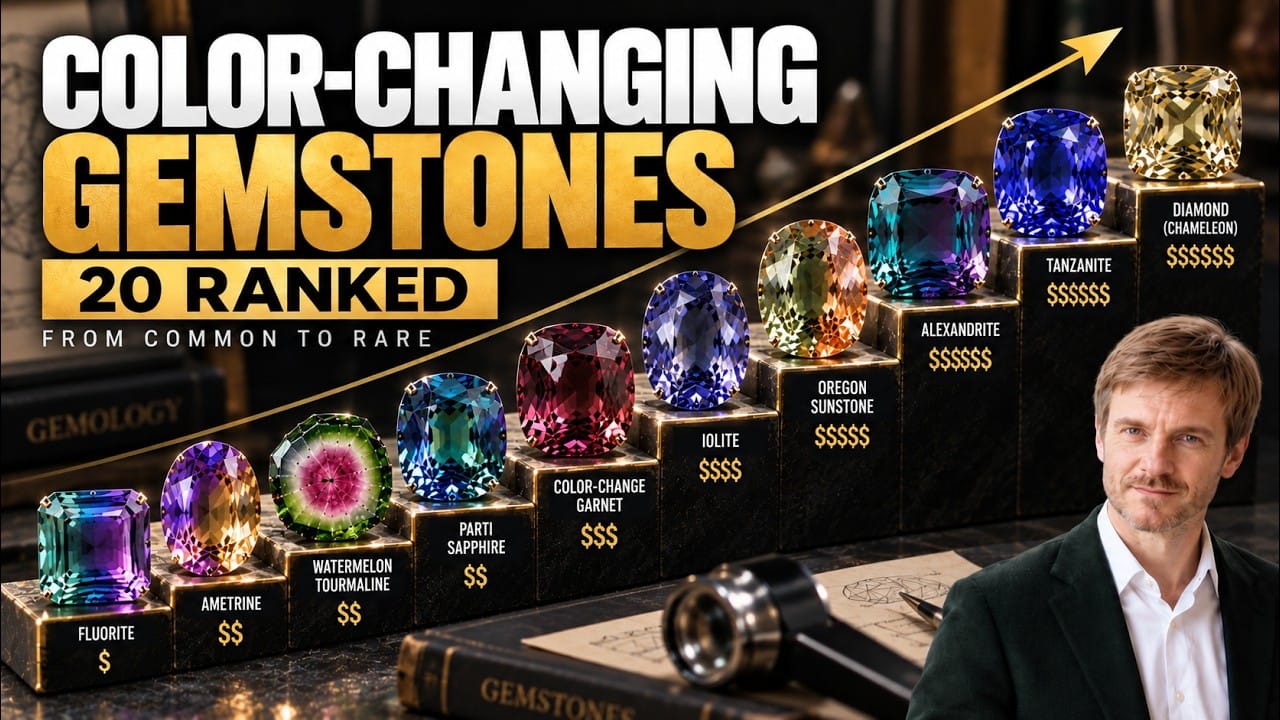
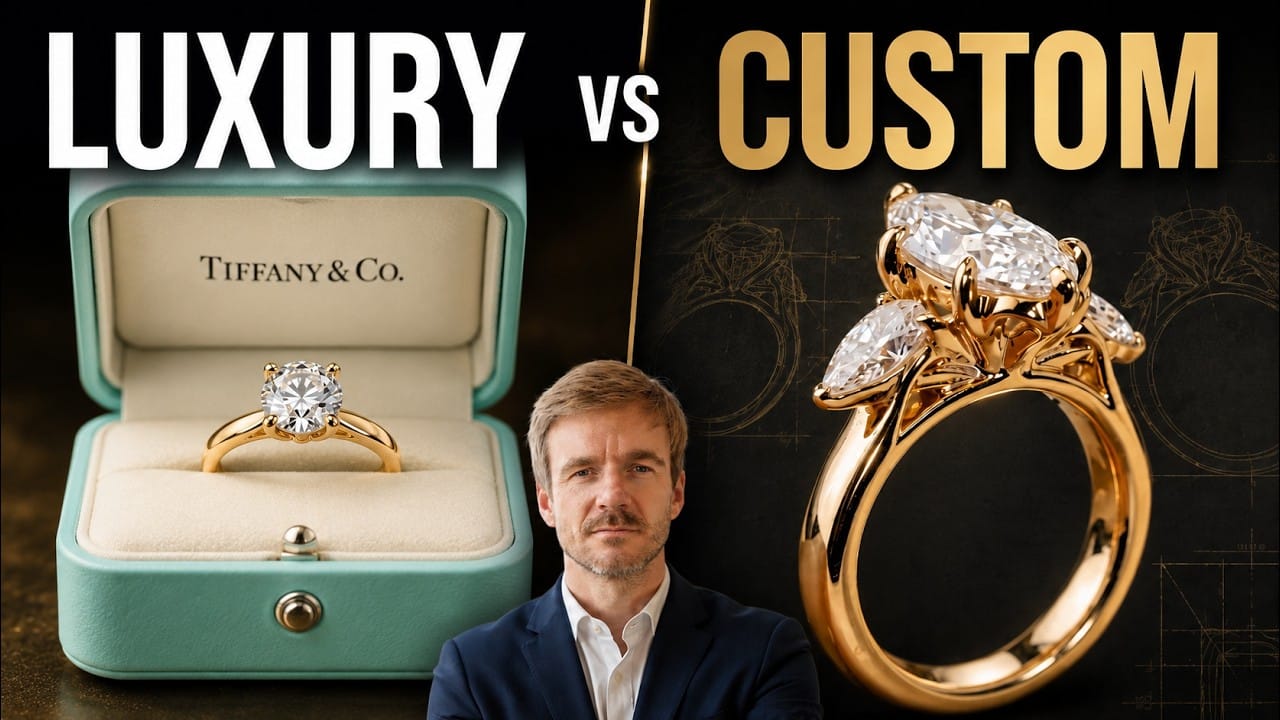
Continue reading: Bi-color and color-change gemstones · Designer vs custom engagement rings.
Sources and further reading
- GIA: More than the Mohs scale
- GIA: U.S. gemstone discussion, Fall 2010
- GIA: Montana sapphire secondary deposits
- GIA: Yogo sapphire
- Smithsonian: Oregon sunstones
- GIA: Historical reading list for benitoite
- GIA: Red beryl trade account, Spring 2014
- Arkansas State Parks: Crater of Diamonds
Availability, prices and service terms can change. Evaluate the individual stone and confirm the current written terms before ordering.