

Jewelry Design Consultation: Prepare a Clear and Practical Brief

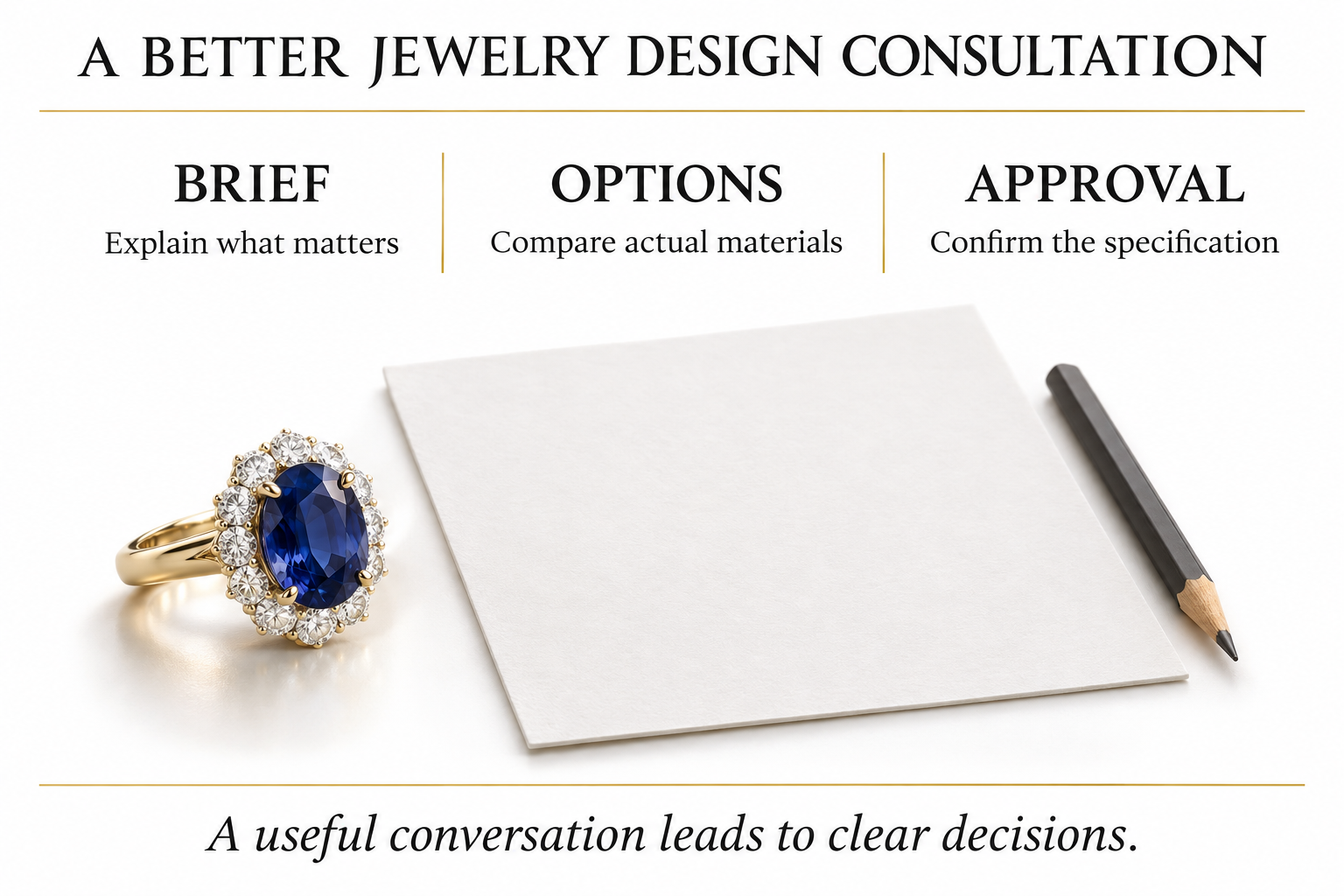
A jewelry design consultation should turn personal preferences into a clear, practical brief. You do not need to arrive knowing gemstone grades or drawing techniques. Bring the details that matter to you, then use the conversation to compare suitable materials, proportions, budget and the decisions that need approval.
Bring priorities; leave with clear next decisions. A useful consultation connects the wearer’s preferences with actual materials, proportions, budget and approval stages. Keep the agreed specification and current terms in writing.
At a glance · Start with the wearer, occasion and practical needs · Use style references as a starting point · Compare metals and finishes for the actual project · Discuss gemstones through identity, appearance and care
Watch the NinaVova discussion
Watch the original NinaVova video on YouTube.
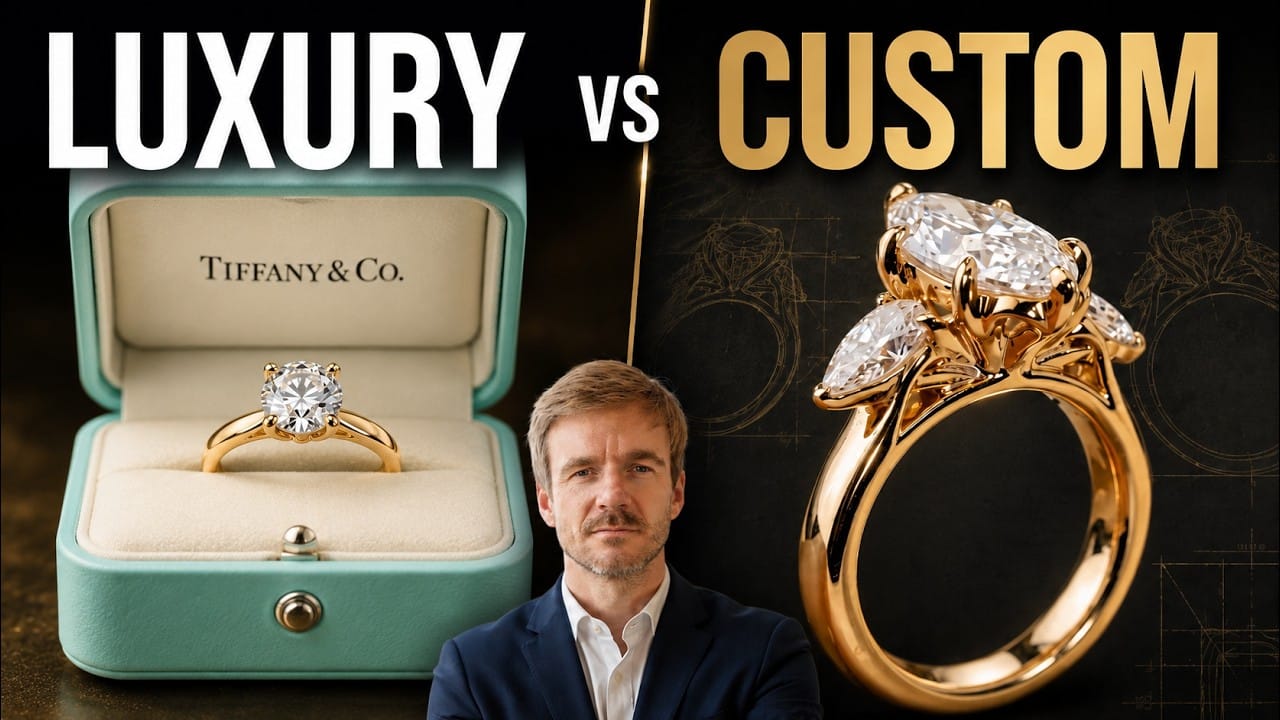
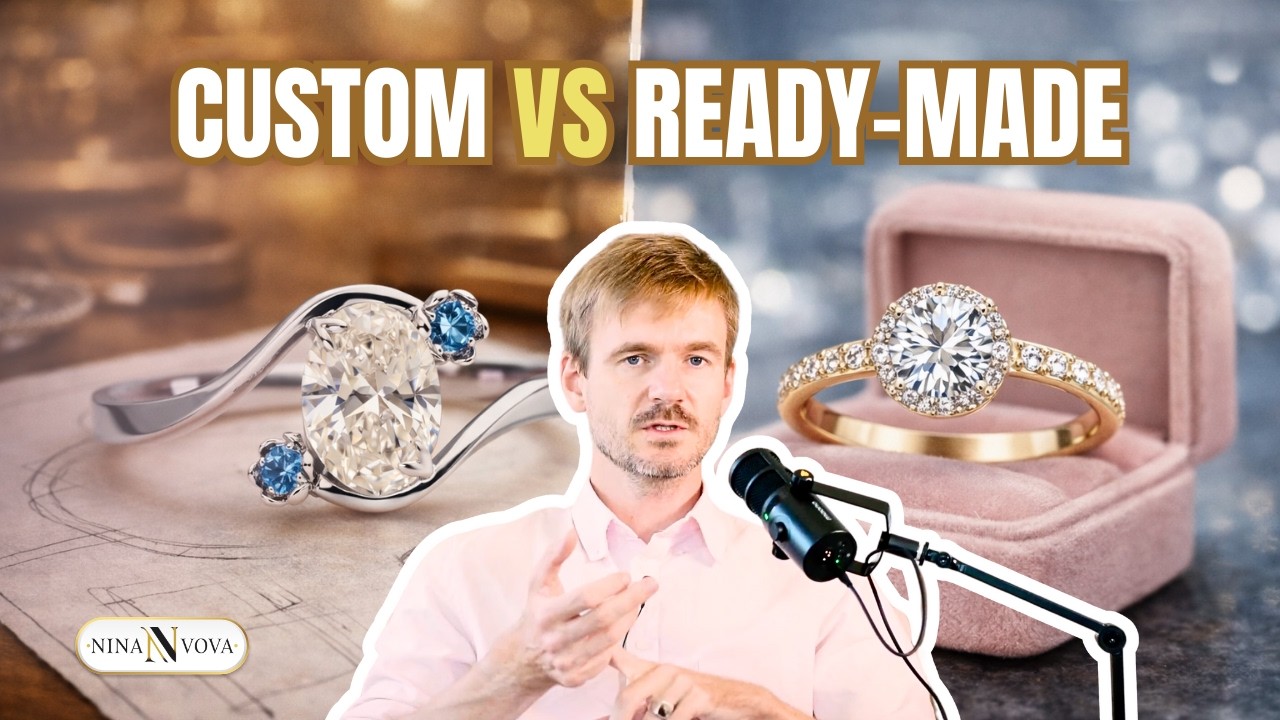
The NinaVova custom-process discussion explains a structured design conversation and approvals. This written guide focuses on what to prepare and ask in a consultation.
What to bring to a jewelry consultation
| Bring | Explain | Confirm |
|---|---|---|
| References | The features you like and dislike | Which details can be adapted |
| Wearing plans | Occasion and practical needs | Materials and appropriate care |
| Material priorities | Color, origin and documentation questions | Actual options and scope of evidence |
| Fit information | Finger, width and neighboring pieces | Measurement and resizing limits |
| Budget and timing | Comfortable complete spend and date | Scope, availability and written terms |
| Approvals | Who decides and which questions remain | What the model and specification confirm |
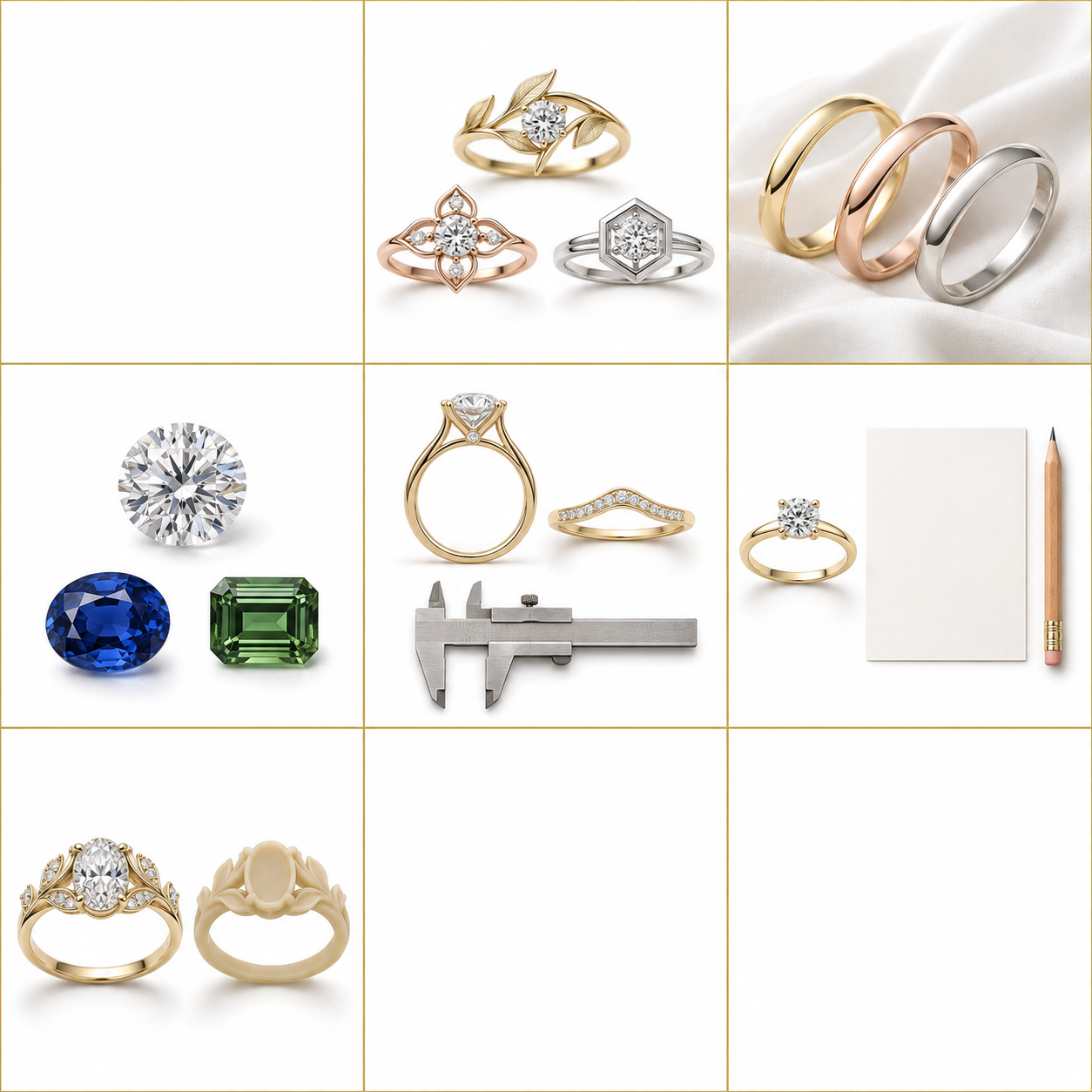
Start with the wearer, occasion and practical needs
Explain who will wear the piece, what it marks and how often it is likely to be worn. A ring intended for frequent use raises different questions from an occasional pendant.
Bring examples of jewelry the wearer enjoys and explain what works: color, width, height, texture or a meaningful detail. Include dislikes as well as favorites.
Discuss work and activities that affect wearing, while recognizing that any ring may need to be removed for unsuitable tasks. No design can make jewelry appropriate for every situation.
If the piece is a surprise, identify what preferences are known and what remains uncertain. A consultation cannot guarantee that another person will want a particular commitment or style.

Use style references as a starting point
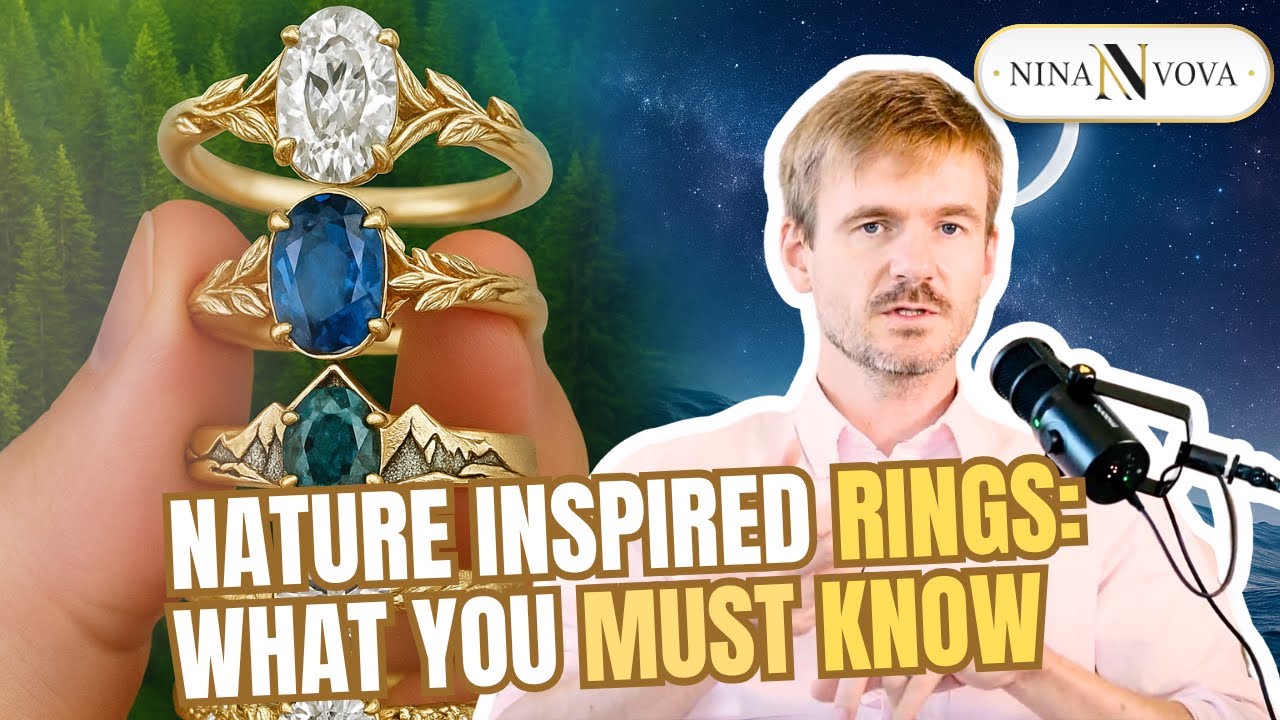
Classic, modern, botanical and historical references can help organize a conversation, but they are broad labels. Identify the actual feature you like rather than choosing from a fixed personality category.
A solitaire can be meaningful without being unusual, and a sculptural ring need not reflect a particular temperament. The wearer’s own taste is more useful than assumptions about identity.
If a reference draws on a specific cultural tradition, describe it accurately and seek context where needed. Personal symbolism should not be presented as a universal ancient meaning.
Select a manageable set of references. A design may combine a few priorities without reproducing every detail from several unrelated pieces.
Compare metals and finishes for the actual project
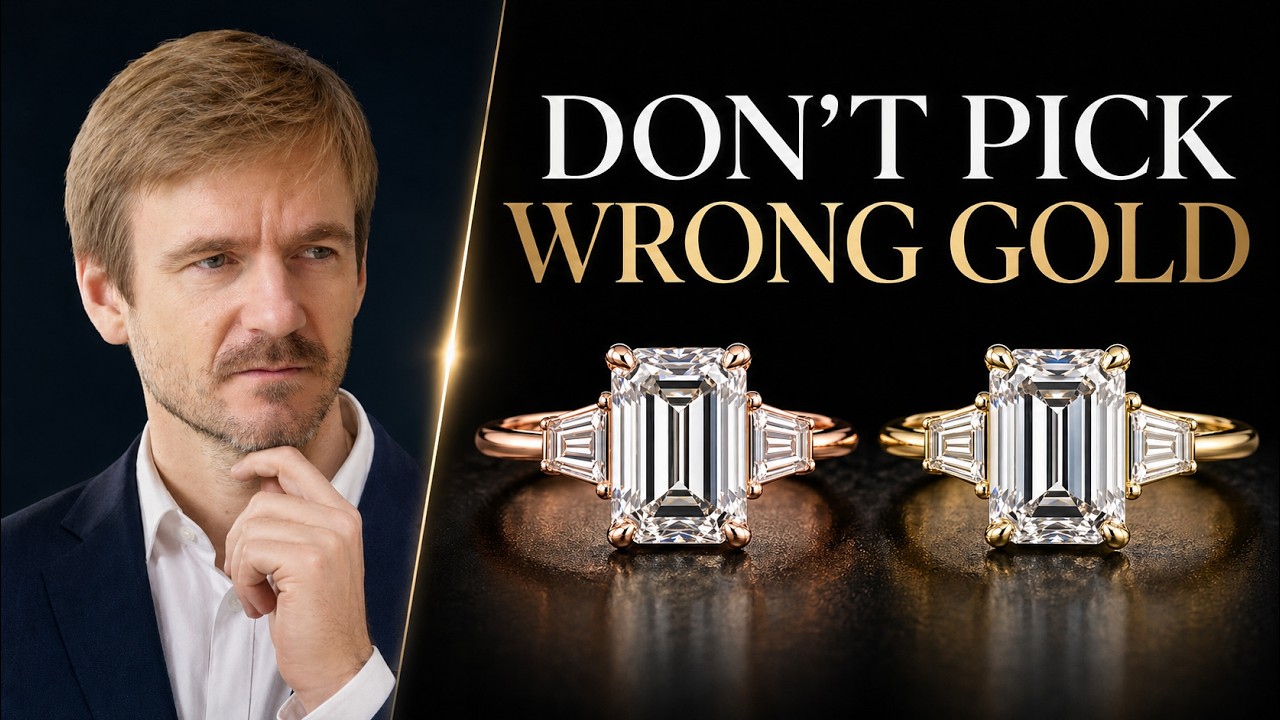
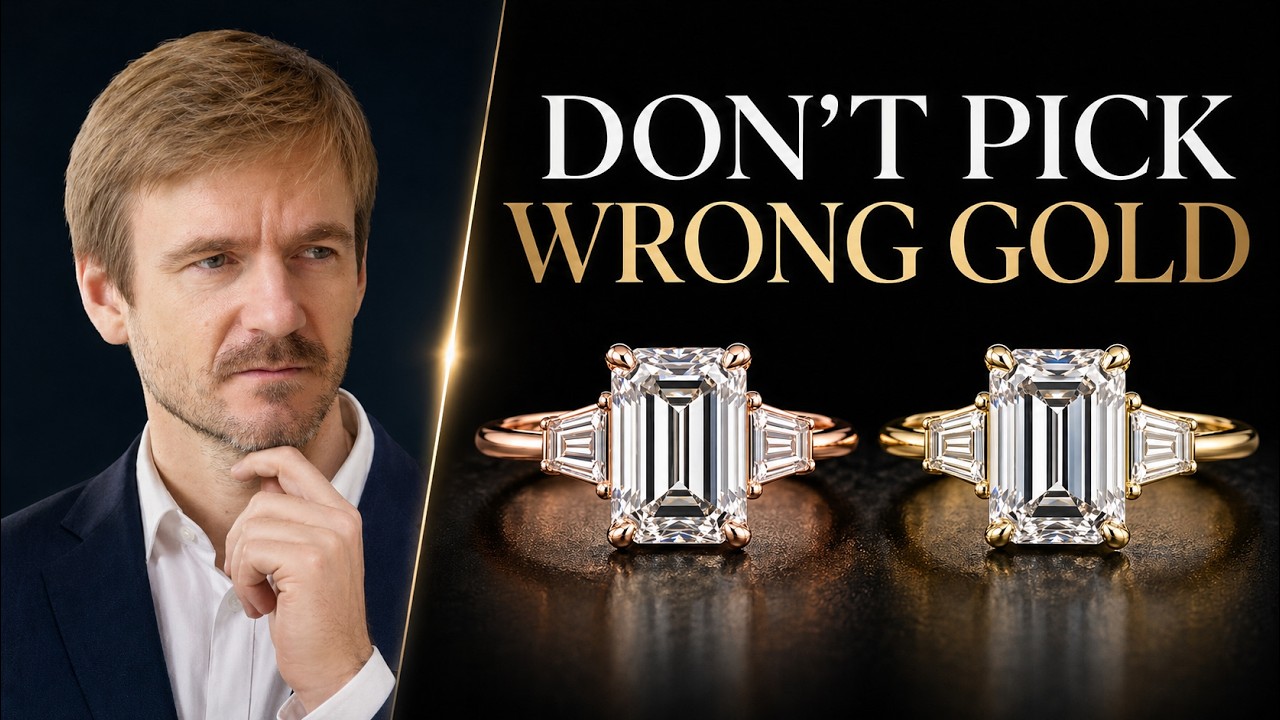
Ask about the proposed alloy, finish and any plating. Yellow, white and rose gold are not single identical formulas, and a precious-metal name does not establish universal suitability for sensitive skin.
Silver may tarnish, while gold and platinum can also acquire scratches and need service. Avoid choosing on a promise that one material will remain pristine indefinitely.
Weight, color, construction and future maintenance can affect the decision. The suitable option depends on the particular piece and preferences rather than a rigid skin-tone or gender rule.
If sourcing is important, request current information for the order. A local workshop or a recycled-content phrase does not by itself answer every environmental or labor question.
Discuss gemstones through identity, appearance and care
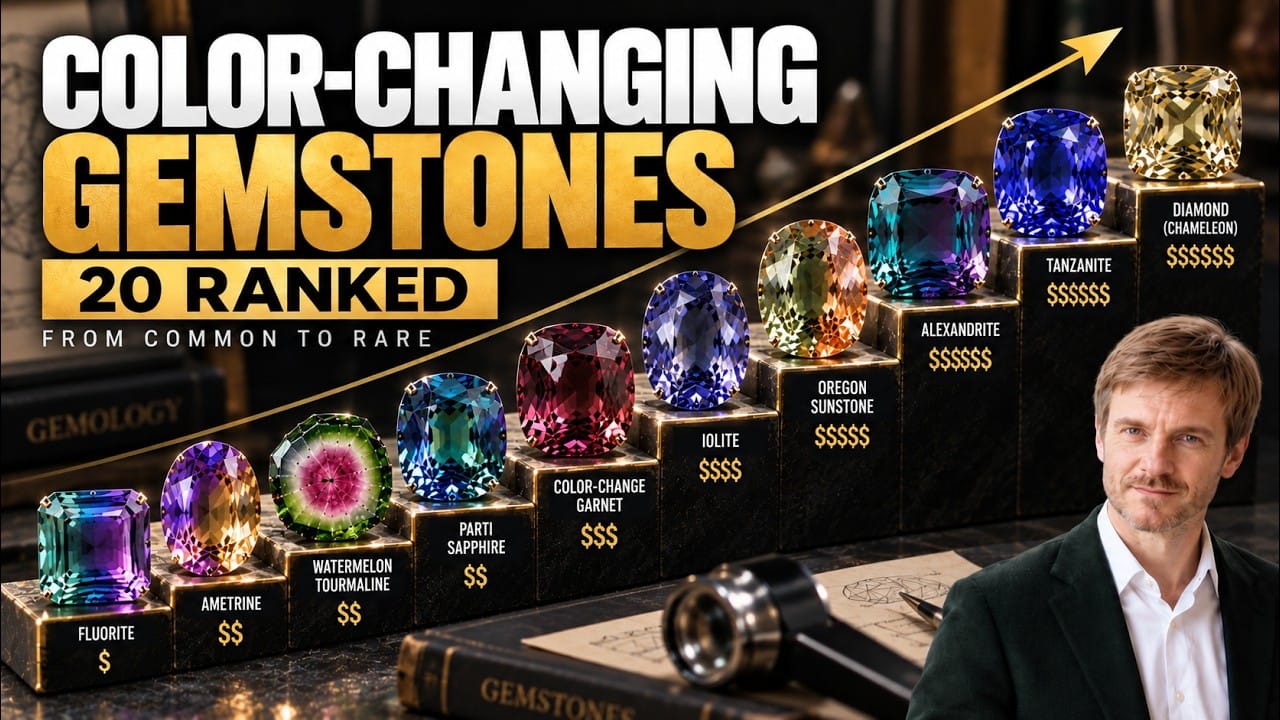
Begin with a palette, preferred shapes and realistic dimensions, then identify the actual materials available. A photograph can communicate an idea without proving gemstone identity or exact color.
Establish natural or laboratory-grown status and relevant treatment. Ask which documents are available and what they cover instead of assuming every stone has the same type of report.
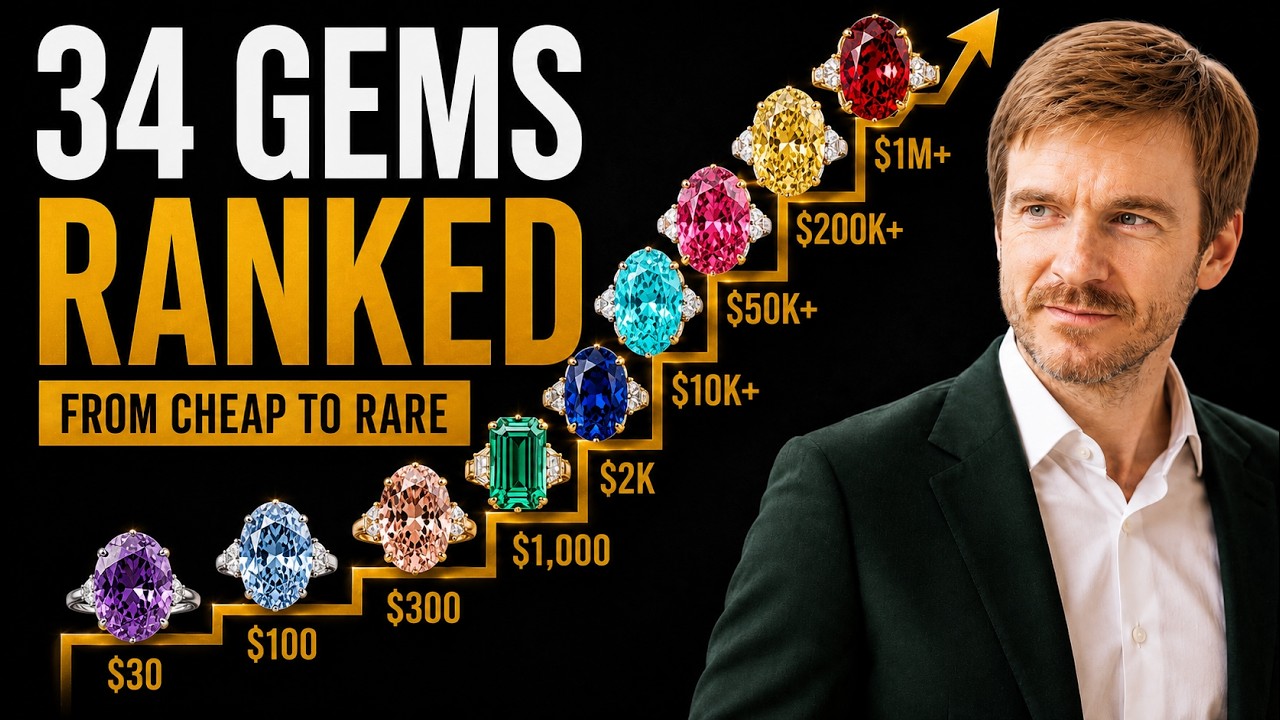
Compare scratch resistance, resistance to breakage and care requirements separately. A hardness number alone does not determine suitability for a frequently worn ring.
Symbolism can be personal, but it should not become a promise of healing or a relationship outcome. Choose a stone whose actual appearance and practical needs suit the wearer.
Review proportions, fit and neighboring pieces
Look beyond the face-on design. Height, underside, width and contact with neighboring fingers can change comfort and the way a piece is worn.
For a ring, use an appropriate size measurement and consider the intended band width and profile. A narrow sample may feel different from a wide finished piece.
If a wedding band or another ring will sit beside it, review actual clearance and likely contact. A shaped band or deliberate gap may be preferable to forcing a flush fit.
Ask about resizing and repair limits early. Decoration, stones around a band and unusual materials can constrain future alterations.
Set priorities and a complete budget
Explain the comfortable total spend and which features matter most. A designer can discuss trade-offs more usefully when the budget includes the complete piece and applicable charges.
Compare actual specifications rather than assuming custom work, a small workshop or a laboratory-grown stone is always cheaper. Design complexity, material choice and services all affect the quotation.
Ask what is included in consultation, design revisions, models, fabrication and delivery, and which decisions may change the price. Current written terms should settle the scope.
Leave room to choose an available design or a simpler interpretation if that better suits the priorities. Personal meaning does not require the most complex option.
Understand the approval stages and current terms
At NinaVova, the project discussion can develop through the brief, actual stone selection, design review and agreed production steps. Confirm the current process and responsibilities for the particular order.
A drawing or rendering communicates a plan but cannot perfectly reproduce real gemstone optics, surface finish or scale. Ask what each approval confirms and which details remain open.
Agree on the specification, revision scope and delivery expectations before work proceeds. A reference image does not guarantee a matching stone, unlimited changes or a fixed completion date.
Read current return, alteration and aftercare terms for personalized work. Keep the approved description and correspondence so expectations remain clear.
Leave with a useful brief and ownership plan
Summarize the wearer’s priorities, proposed materials, dimensions, budget, timeline and outstanding questions. A good consultation should make the next decision clearer.
Ask how the finished piece should be cleaned, stored and inspected, and when it should be removed. Follow care suitable for the most vulnerable component.
Keep the invoice, relevant reports and final design records together. They can support future repair and an accurate personal history for the piece.
The goal is jewelry that the wearer enjoys with practical expectations understood. A consultation works best as a clear collaboration, supported by a specific brief and documented choices.

Frequently asked questions
Do I need to draw the design myself?
No. Explain preferences and references; the conversation can develop a practical brief.
Does a rendering exactly reproduce real stone appearance?
No. Ask what the drawing or model confirms and what needs material review.
Does custom work guarantee unlimited changes?
No. Agree on revision scope, approvals and current project terms.
Start with the details that matter to you
Bring a small set of references and your practical priorities. We can develop a clear brief around available materials and feasible proportions.
Book a NinaVova consultation or explore our custom design process.
Continue reading: Custom ring process · Choosing a ring together · Jewelry brand values.
Sources and further reading
- NinaVova: Current custom-design process
- GIA: Accurate finger and ring sizing
- GIA: Purchasing a diamond engagement ring
- NinaVova: Current project and service terms
Confirm the actual materials, condition, evidence and current written terms for the offered ring. Illustrations do not establish identity, provenance, certification or an environmental footprint.