

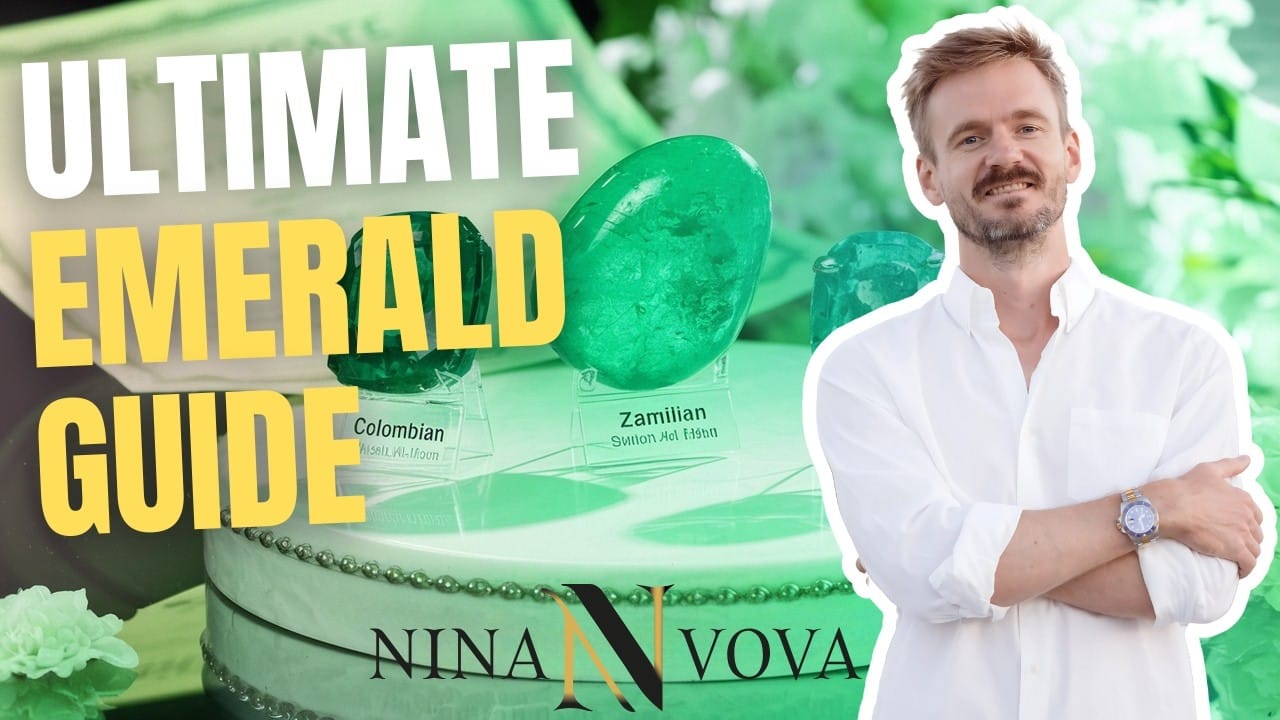

Emeralds: A Gem of Love and Rebirth | Your Ultimate Buying Guide
Emeralds have enchanted generations—from Cleopatra to emperors—standing as enduring symbols of hope and new beginnings. These mesmerizing green gems have adorned royalty and captivated hearts for centuries. Today, we dive deep into the world of emeralds to guide you through choosing a gemstone that resonates with your soul. Whether you want an engagement ring, a bold statement necklace, or a family heirloom, this is your ultimate emerald buying guide.
Emerald Origins and Characteristics
When selecting an emerald, understanding its origin is crucial, unlike diamonds where uniformity often plays a larger role. The birthplace of an emerald shapes its unique beauty, value, and appeal. Whether it’s the lush Colombian green or the subtle bluish tint of a Zambian emerald, each source offers distinct characteristics.
Emeralds belong to the beryl family, which also includes aquamarine and morganite. The primary sources today are Colombia, Zambia, and Brazil, each known for producing emeralds with unique hues and qualities, catering to different tastes and budgets.
Regional Differences
Colombian Emeralds: Considered the benchmark of quality, Colombian stones are prized for their vivid pure green color, often with a hint of blue. They usually have deep color saturation and relatively fewer inclusions, which enhances their clarity and brilliance. Their superior color and clarity make them the most sought-after and expensive.
Zambian Emeralds: These typically have a darker green shade with a consistent color that often leans toward bluish-green. Known for good transparency, Zambian emeralds come second in value to Colombian gems. Their clarity and consistent color make them a popular choice for those seeking beauty and value.
Brazilian Emeralds: Often lighter and brighter, Brazilian stones vary from lush grassy green to yellow-green hues. They are more abundant and generally more affordable, offering a budget-friendly way to enjoy emerald allure without the premium price of Colombian stones.
Impact on Price for a 1-Carat Emerald
- Colombian emeralds range between $3,000 and $8,000, depending on clarity, color saturation, and cut.
- Zambian emeralds are slightly more affordable, typically priced from $2,000 to $5,000.
- Brazilian emeralds offer the most budget-friendly options, usually between $500 and $2,500.
Practical Advice
Consider which characteristics matter most to you. For the highest quality and most intense color, Colombian emeralds are ideal. For beautiful alternatives at a lower price, Zambian and Brazilian stones make excellent choices.
Always ask for a certificate from a reputable gemological institute to verify the emerald’s origin, natural characteristics, and treatments. This certification safeguards your purchase and ensures you are investing in a genuine gemstone.
Understanding an emerald’s origin adds depth to your connection with the stone and helps you make an informed choice based on color, budget, and ethical sourcing.
Practical Buying Tips
Choosing the right emerald involves balancing color, clarity, cut, setting, and certification. Here’s what you should know to make the best purchase:
1. Color is King
The deeper and more vivid the green, the higher the price. Emeralds with saturated green tones free from yellow or brown hues command the greatest premiums. The rarest, most expensive emeralds exhibit a bluish-green tint.
Expect to pay significantly more for vibrant, consistent colors, especially the rare bluish shades.
2. Clarity Matters
Emeralds naturally contain inclusions; however, those with fewer visible inclusions and good transparency garner higher value. Clarity impacts an emerald’s brilliance and overall beauty.
Emeralds with minimal visible inclusions can increase in price by approximately 20% to 50%, depending on rarity and visual appeal.
3. Cut for Brilliance
A well-cut emerald maximizes its color and sparkle, making the gemstone far more attractive and valuable. Conversely, a poorly cut emerald can appear dull and lifeless, negatively affecting its price.
Superior cuts can boost the price by up to 30%, emphasizing the importance of craftsmanship to showcase the stone’s natural beauty.
4. Setting and Style
For emerald jewelry, yellow and rose gold settings are classic choices that beautifully complement the gem’s rich green hues. Emeralds lend themselves well to bold designs without fear of overpowering the piece.
It’s also important to protect emeralds with sturdy prongs or a bezel setting, as emeralds are more delicate than diamonds and require extra care against chipping or damage.
5. Certification and Trust
Certification is vital when purchasing emeralds, especially for engagement rings. Certificates from reputable gemological institutes such as GIA, AGL, or EGL authenticate the emerald’s natural origin and disclose any treatments.
Treatments affect an emerald’s longevity and appearance, making certification critical for peace of mind.
- For instance, a 1-carat emerald with GIA certification may cost between $1,000 and $5,000 based on its characteristics.
- Non-certified emeralds might be 20% to 30% cheaper but carry risks regarding authenticity and treatment disclosure.
- For emeralds under $500, certification may be less necessary, but buying from trusted dealers who offer guarantees or appraisals is recommended.
Certification ensures you are investing in a genuine product and protects your investment, balancing authenticity with budget considerations.
Emeralds are extraordinary gemstones rich in history and symbolism. By understanding their origins, grades, and buying considerations, you can confidently select a gem that embodies love, rebirth, and your unique story—a treasure to cherish for generations.