
25 Purple Gemstones for Engagement Rings: Color, Care and Buying Choices

Most people think purple engagement rings basically begin and end with amethyst. But purple is a much more diverse color category than that. Some purple materials are accessible in generous sizes. Others are selective collector purchases, and exceptional natural purple diamonds occupy a very different market. Some are soft lavender. Others are deep grape, blue-violet, raspberry, or almost royal. And purple gemstones can look completely different from one another. Transparent. Glowing. Banded. Silky. Color-changing. Almost neon.
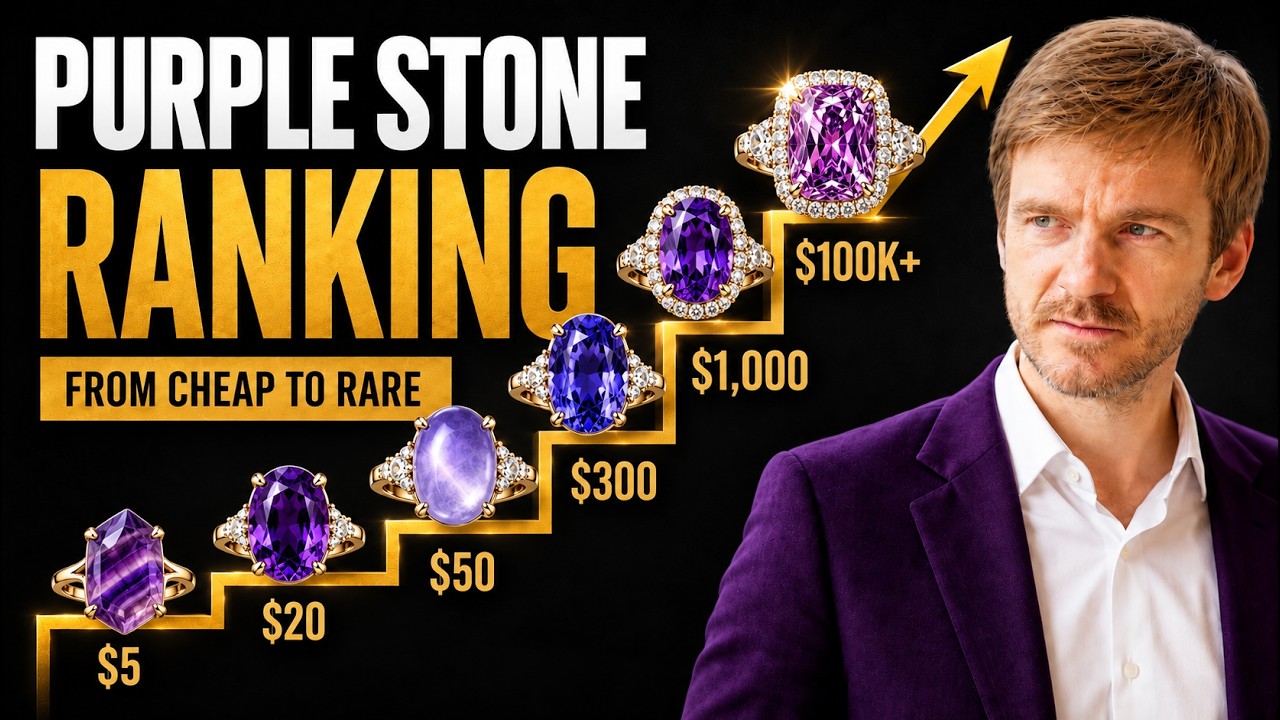
This guide compares 25 purple gemstone options, from accessible artistic materials to rare collector stones. It includes natural and lab-created choices, sapphires, alexandrite and purple diamonds. It is not a fixed current price ranking: quality, size, treatment and individual offers can change the comparison.
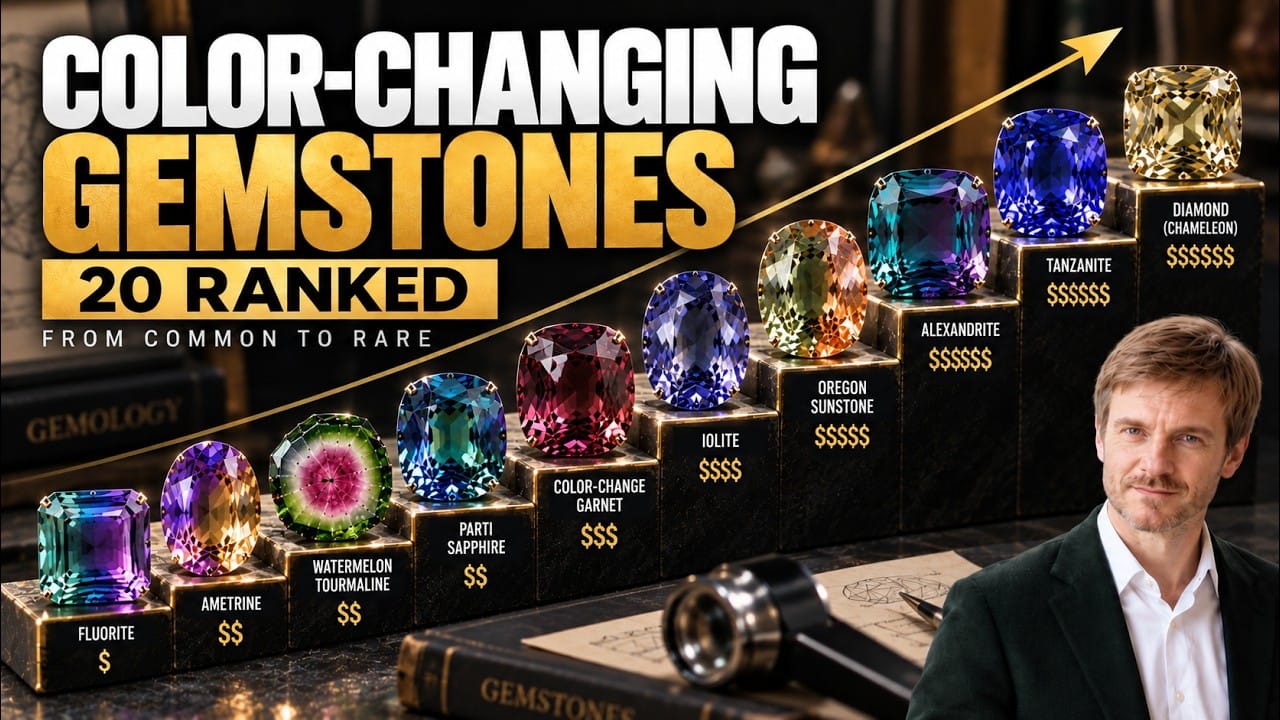
One quick note on alexandrite. It is technically a color-change gemstone, not a consistently purple-bodied stone. But buyers looking for purple engagement rings often consider it, so I included it here. We'll cover color-change stones in a separate guide.
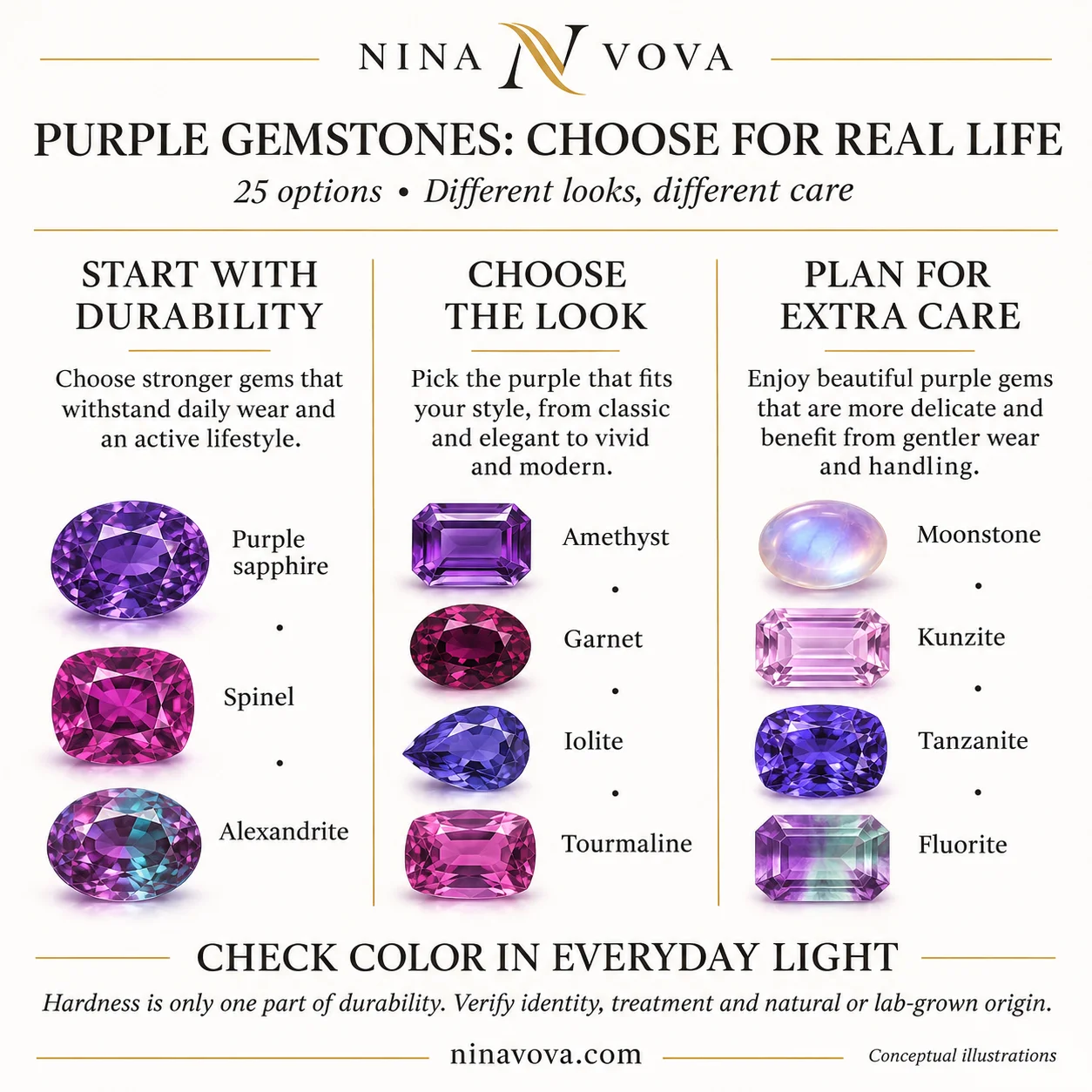
Choose the purple you love and the care you can live with. Purple sapphire and spinel are strong starting points for many daily-wear rings. Amethyst, garnet and other gems offer different looks and tradeoffs. Soft, cleavable or light-sensitive materials require more deliberate care; origin and treatment claims need verification.
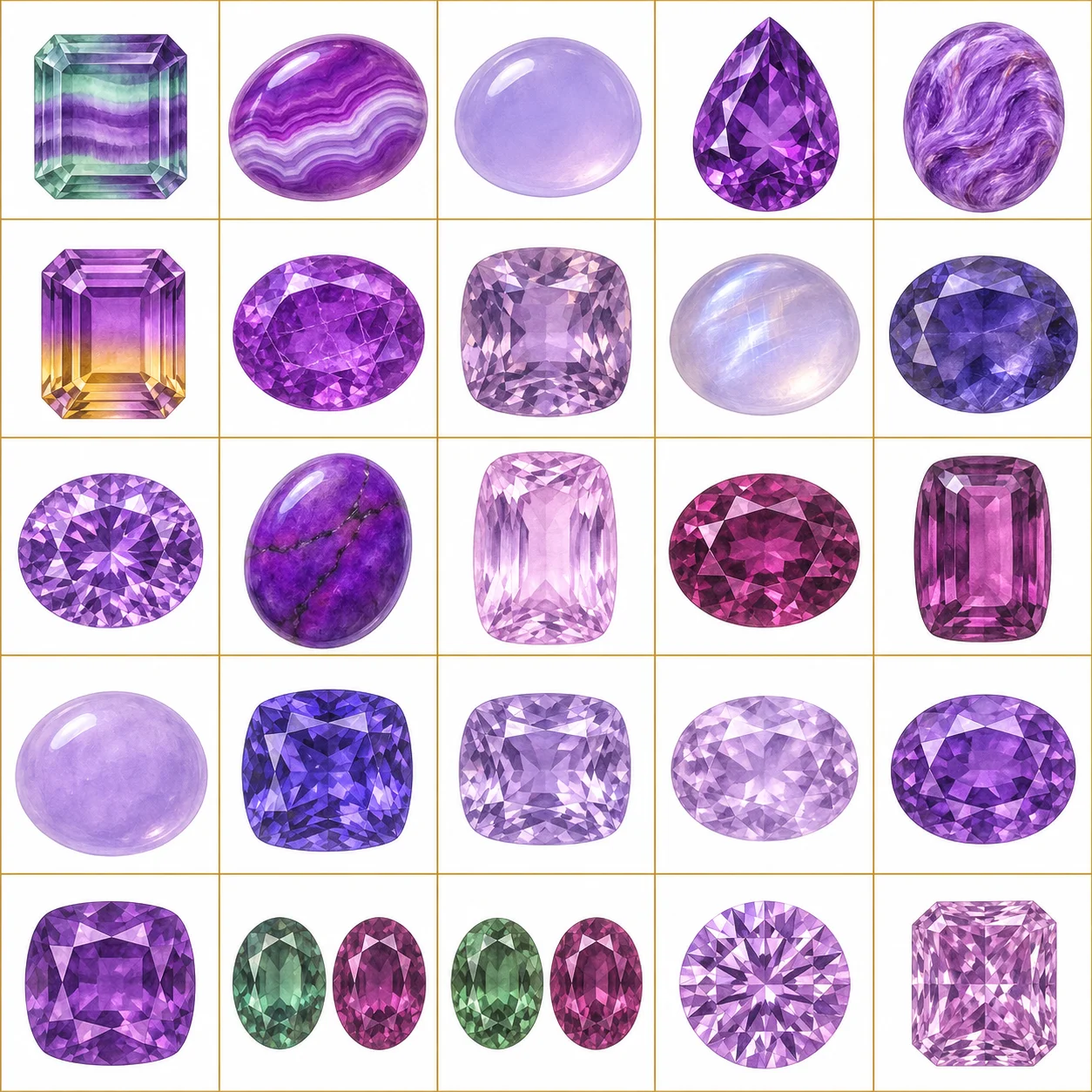
At a glance · Purple Fluorite · Purple Agate · Lavender Chalcedony · Amethyst
Watch the NinaVova discussion
Watch the original NinaVova video on YouTube.
Compare purple gemstone directions at a glance
| Your priority | Examples to consider | Main question |
|---|---|---|
| Stronger daily-wear candidates | Purple sapphire, spinel, alexandrite | Does the exact stone have good condition, suitable cutting and a protective setting? |
| Accessible purple color | Amethyst, rhodolite, iolite, tourmaline | Is the color attractive on the hand and is the care acceptable? |
| Glow and surface character | Chalcedony, moonstone, jadeite, kunzite | Understand toughness, cleavage, treatment and light sensitivity for the actual material. |
| Patterns and sculptural appearance | Agate, charoite, sugilite | Choose the pattern and protective design rather than expecting diamond-like sparkle. |
| Lab-created options | Purple sapphire, alexandrite, diamond | Confirm identity, lab-grown origin and any post-growth treatment. |
| Collector rarity | Taaffeite, exceptional natural purple diamond | Documentation and individual quality matter; rarity does not guarantee future value. |
Purple Fluorite
Purple fluorite can look shockingly vivid for the price. Good pieces can be glassy, electric, banded, or deep violet. And the fun part is light.
Fluorite is the mineral that gave fluorescence its name. Under UV light, some pieces glow blue, violet, green, or other colors depending on the exact specimen.
In a ring, fluorite belongs in a protected artistic design because it is too soft for careless daily wear.
Purple Agate
Purple agate is about bands, layers, clouds, and graphic lines. Instead of one clean transparent color, the pattern becomes the design.
This is the kind of material where a ring can feel earthy, ancient, or symbolic.
The buyer point is disclosure. Bright purple agate is often dyed or enhanced. That can still be beautiful, but it should be described honestly and priced like enhanced material.
For a custom ring, this is about artwork.
Lavender Chalcedony
Lavender chalcedony is part of the quartz family, but it does not look like amethyst.
Amethyst is usually transparent and faceted. Lavender chalcedony is softer, more translucent, and more waxy-looking.
A good cabochon can look like lavender mist trapped under a smooth polished surface.
This is a gem for smooth translucent color, not sharp sparkle. The design should stay simple and low-contrast.
Amethyst
Amethyst is the classic purple gemstone. The name comes from the ancient Greek idea of protection from intoxication. For centuries, amethyst appeared in religious, royal, and decorative jewelry. So even though it is affordable today, the history is real.
The mistake is judging amethyst only by darkness.
A good amethyst should look rich from the top without turning black, muddy, or uneven. Color zoning also matters. If the purple gathers only in certain areas, the stone can look patchy once it is set.
Amethyst makes sense when the buyer loves purple history, generous size, and accessible pricing. It should not feel like a cheap substitute. A good amethyst ring has its own reason to exist.

Charoite
Charoite can look like a tiny purple landscape.
It is usually cut as a cabochon because the surface can show purple swirls, waves, feathers, and silky movement. No two good pieces look exactly the same.
Charoite is strongly associated with Siberian material, and that origin became part of its identity.
A bezel or protected frame makes sense here, because the pattern needs a clean surface and enough space to be seen. For someone who likes natural patterns, charoite can create a ring that feels deeply personal.
Ametrine
Ametrine is amethyst and citrine in the same crystal. That means purple and golden-yellow can appear together in one gem.
Most commercial ametrine is associated with Bolivia’s Anahí mine. That gives it a much stronger story than many affordable stones.
The best examples have a color split that looks intentional. If the purple and yellow blur together awkwardly, the whole effect becomes weaker.
In a ring, ametrine is about contrast. Purple alone can feel cool or moody. Purple with gold feels warmer and more unusual. For a custom design, that two-color division can become the main idea of the ring.
Purple Apatite
Apatite has one of the best names in this guide. The name comes from the Greek idea of deception, because apatite was historically confused with other minerals.
Purple apatite can look surprisingly vivid for the price. But the tradeoff is simple: apatite is a color-first gem.
Look for clean saturation. Pale material can be pretty, but vivid purple usually makes the stronger visual argument. For an engagement ring, apatite makes more sense in a protected setting or for occasional wear because it scratches relatively easily.
Purple Scapolite
Purple scapolite has a more complicated color story than it first appears.
Some stones are naturally lavender, violet, or purple-pink. Other purple scapolite can be treatment-related, including irradiation.
That does not automatically ruin the stone. It just changes the value conversation.
The best examples have enough saturation to read purple in normal lighting without turning gray. Pale stones can be pretty, but they may disappear in a ring unless the design supports them.
This is a gem for someone who likes uncommon color and does not need the center stone to be instantly recognizable.
Lavender Moonstone
Lavender moonstone is built around adularescence. That soft light seems to move across the surface, almost like moonlight under the stone.
Moonstone also has a real design history. Art Nouveau jewelers loved it because it felt mysterious, romantic, and atmospheric.
Moonstone is usually cut as a high cabochon because the curved surface displays adularescence best. Look for a strong, centered sheen that moves across the stone. With Mohs hardness around 6–6.5 and cleavage, protected settings are safer.
Iolite
Iolite is one of the best value gems in the blue-violet category.
It was once called “water sapphire,” but that name can be misleading. Iolite is not sapphire. It is its own gem.
The main thing to understand is pleochroism. From one direction, iolite can look violet-blue. From another direction, it can look gray, pale yellow, or almost colorless.
That means cutting is everything. A poorly oriented iolite can look sleepy. A well-oriented one can have a beautiful dusk-blue purple color.
For a buyer who likes cooler, moodier purple, iolite can be much more interesting than the price suggests.
Purple Zircon
Purple zircon has a naming problem. Many buyers hear zircon and think cubic zirconia. But natural zircon is a real gemstone.
And it can be very lively.
Zircon has strong brilliance and fire, so in purple or violet tones it can look sharp, bright, and full of movement.
It also has one of the best geological stories in jewelry. Some zircon crystals are among the oldest minerals known from Earth.
So this gem gives you two things at once: sparkle and ancient mineral identity.
For a ring, I would be careful with exposed corners and sharp facet edges. But when the design protects it well, purple zircon can surprise people.
Sugilite
Sugilite became especially important through gem-quality material from the Wessels mine in South Africa.
The color can be lavender, violet, magenta-purple, or deep royal purple, often with a completely different feeling from amethyst or sapphire.
This is not a sparkle gem. A strong piece can make the ring feel graphic and sculptural, almost like wearable art.
Kunzite
Kunzite is the soft lilac side of the purple world. It can range from pale pink to violetish purple, and the best pieces can look delicate, clean, and almost glowing.
The name comes from George Frederick Kunz, the famous gemologist associated with Tiffany & Co. That gives kunzite a nice connection to American gem history.
The main care point is light. Kunzite can fade with prolonged exposure to strong light, so it should not be treated like a stone you leave in the sun all day.
That gives kunzite a very specific romantic place.
Rhodolite / Purple Garnet
Rhodolite sits between red, raspberry, purple, and sometimes grape. That warmth matters.
Amethyst can feel cool. Iolite can feel blue. Rhodolite feels richer and more romantic.
It also corrects a common buyer misconception: garnet does not only mean dark red. The garnet family includes far more color than most people expect.
With rhodolite, the key is brightness. The best stones keep enough life in normal lighting, so the purple does not collapse into black-red.
For a mid-price purple ring, rhodolite is one of the stronger natural choices.
Purple Tourmaline
Purple tourmaline is tricky because “purple” can mean several different things in this gem family.
Some stones lean plum. Some lean grape. Some are closer to reddish purple. Others pick up gray, brown, or black modifiers.
That is why a purple tourmaline should be judged in normal lighting, not only in a perfect seller photo. The best stones still read purple when the ring is on the hand.
Tourmaline also gives designers a more organic feeling than sapphire. It can work beautifully in nature-inspired rings, asymmetric layouts, and designs where the color should feel personal rather than formal.
If the stone goes too dark, the purple can disappear. That is usually where buyers overpay for depth instead of beauty.
Lavender Jadeite
Lavender jadeite has to be judged differently from faceted gems. Carat weight alone does not explain the value.
Color, texture, translucency, surface quality, treatment, and the finished piece all matter.
A good lavender jadeite cabochon can have a soft internal glow. It can feel smooth, calm, and almost skin-like.
And jade has one of the longest cultural histories in jewelry and carved objects.
The serious buyer point is treatment. Jadeite may be dyed, bleached, or polymer-treated, and treated jadeite is not the same value category as natural untreated material.
For a purple engagement ring, lavender jadeite makes sense when the buyer wants symbolism, surface beauty, and softness of color.
Tanzanite
Tanzanite is the modern blue-violet icon.
It was discovered in Tanzania in the 1960s, and Tiffany & Co. helped introduce it to the jewelry world under the name tanzanite.
That makes it different from ancient gems like amethyst or jade. Tanzanite became famous very quickly because the color, origin, and marketing all lined up.
The color can sit between blue, violet, and purple. And like iolite, tanzanite is pleochroic, so the cut direction affects what you see.
In a ring, tanzanite is strongest when the buyer loves that blue-violet glow and understands the design should protect it.
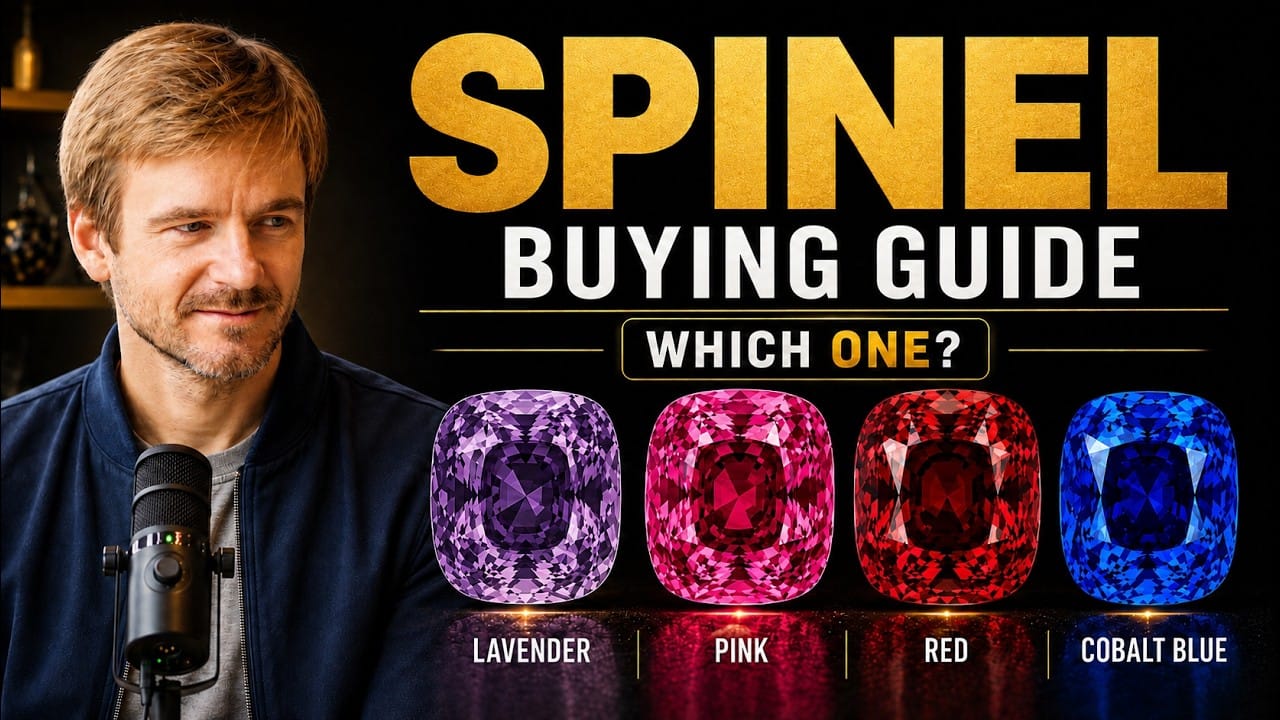
Purple Spinel
Purple spinel has the right mix of color, brilliance, and durability for an engagement ring.
Spinel has Mohs 8 hardness and a cleaner everyday-wear story than many softer purple gems.
It also has one of the best histories in jewelry. For centuries, some famous red spinels were mistaken for rubies. The Black Prince’s Ruby in the British Imperial State Crown is actually spinel.
That story is about red spinel, but it explains why the whole gem family was misunderstood for so long.
In purple and lavender, spinel can be bright, elegant, and unusual. For a buyer who wants natural purple color with real ring practicality, this is one of the first stones I would look at.
Taaffeite
Taaffeite is the collector surprise in this list.
Most gems are discovered as rough crystals first. Taaffeite was identified from an already-cut stone in the 1940s by Count Edward Taaffe.
That is a great story because it sounds backwards. Someone looked at a faceted gem and realized it was not what people thought it was.
Taaffeite can appear in lavender, pinkish purple, or violet tones. It also has good hardness on paper, around 8 to 8.5.
The challenge is not just price. It is finding the right size, color, cut, and report.
Lab Purple Sapphire
Lab purple sapphire is real sapphire grown in a lab. It is the same gem family as natural sapphire and ruby. The difference is origin.
If the design needs a calibrated oval, an unusual cut, or a specific shade of purple, lab sapphire gives control without natural sapphire pricing.
Natural purple sapphire can be beautiful, but finding the right size, shape, and color together can become expensive quickly.
Lab sapphire does not carry the rarity story of a natural sapphire. But for durability, color control, and value, it is one of the most practical choices in this guide.
Natural Purple Sapphire
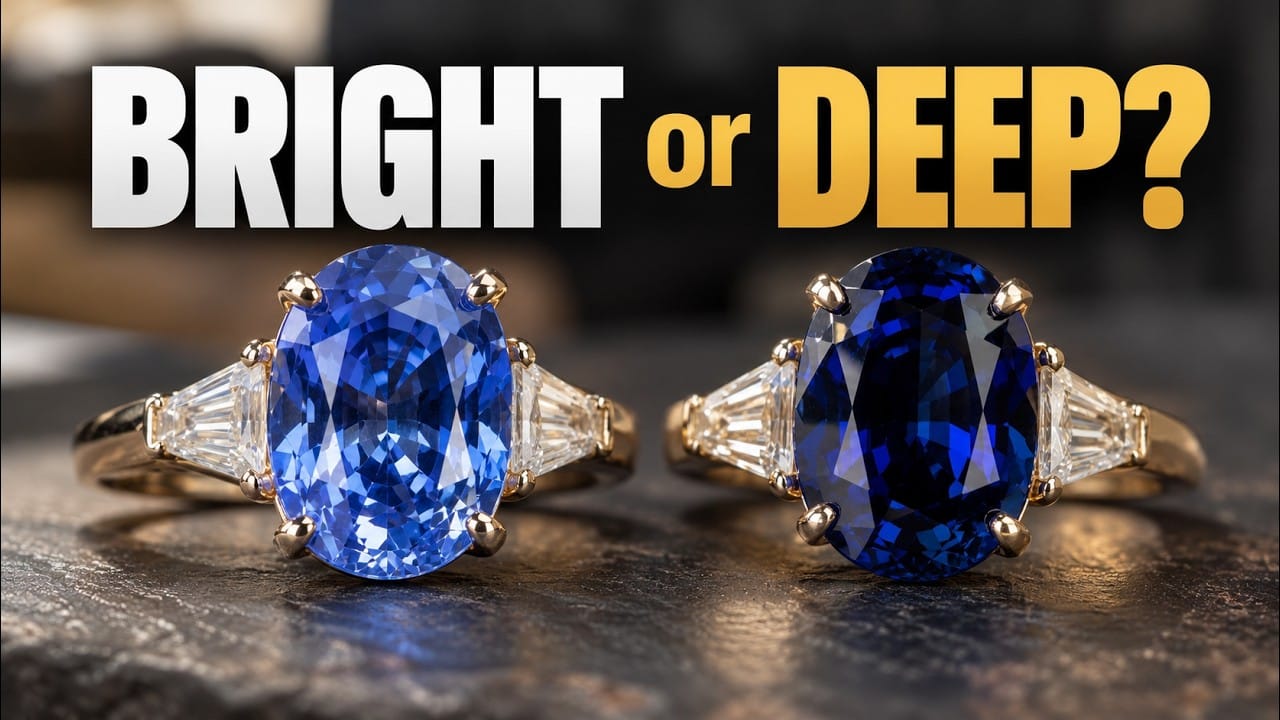
Natural purple sapphire is one of the strongest high-end purple choices for engagement rings.
It gives you sapphire durability with a less expected color than classic blue.
Purple sapphire can lean violet, lavender, grape, plum, or pinkish purple. Some pieces even shift under different lighting, though color-change sapphire does not need to become a separate category here.
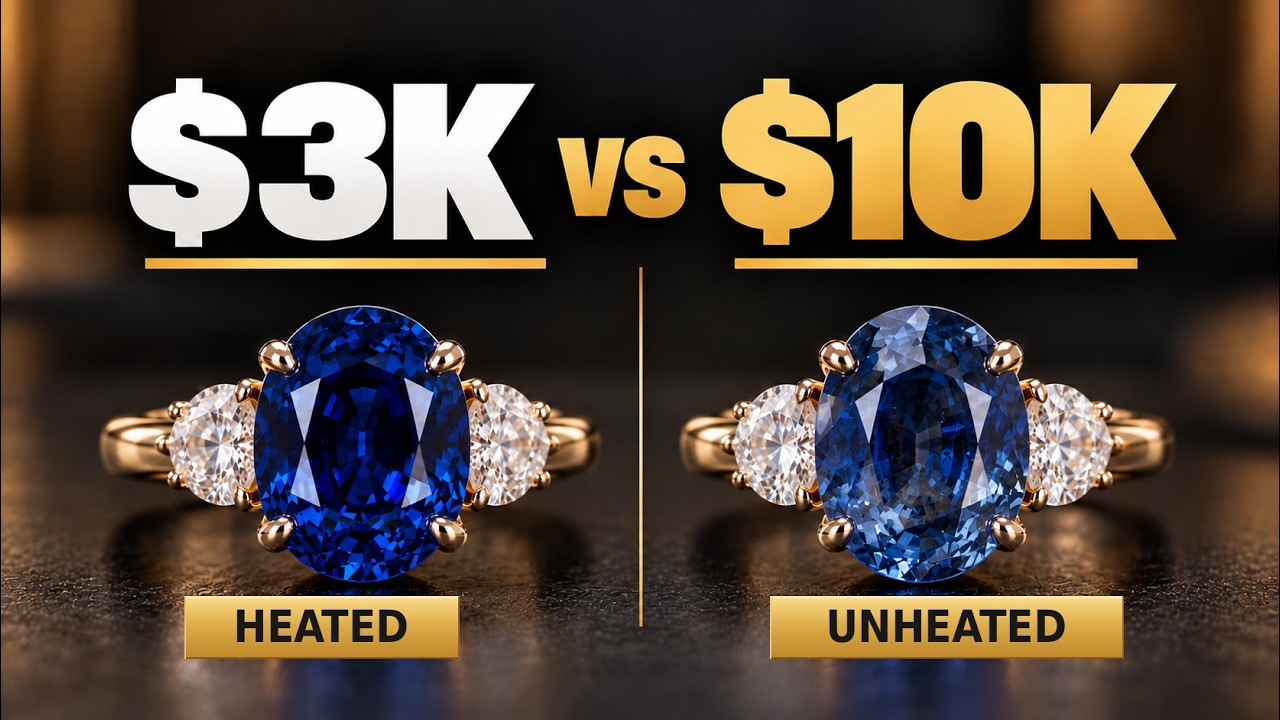
The main buyer point is treatment and verification. Heat treatment is common in sapphire. Lattice diffusion and other treatment questions can also affect value.
So if the stone is expensive, rare-looking, or sold as untreated, I want a respected lab report.
Lab Alexandrite
Alexandrite is technically a color-change gem, not a consistently purple-bodied stone. But it belongs here because buyers searching for purple engagement rings often end up considering it.
Depending on the light, lab alexandrite can move between greenish, violet, purple, and purplish-red tones.
The important buyer point is identification. Some stones sold as “synthetic alexandrite” are actually color-change synthetic sapphire. True lab alexandrite is lab-grown chrysoberyl.
For an engagement ring, it gives you excellent durability, dramatic color change, and much more size for the budget than natural alexandrite.
Natural Alexandrite
Natural alexandrite is one of the rarest practical engagement-ring gems.
It can change from green or bluish green in daylight toward red, purple, or purplish red in warmer light. That color change is the entire reason buyers seek it out.
But not every alexandrite has a strong change. Color quality, strength of the transition, clarity, and size all affect value.
It also has Mohs hardness around 8.5, which makes it unusually durable for such a rare collector stone.
For an expensive natural alexandrite, I would absolutely want a respected lab report.
Lab Purple Diamond
Lab purple diamond gives buyers access to a purple diamond look without natural purple diamond pricing.
The appeal is simple: diamond hardness, fancy color, modern lab-grown origin, and more size for the money.
But with fancy-color lab diamonds, documentation still matters.
The stone should be clearly disclosed as lab-grown, and the color should be represented honestly. Some fancy colors are connected to growth conditions, and some can involve post-growth treatment.
That does not make the diamond bad. It just means the value is about the look, durability, and design, not natural rarity.
A lab purple diamond can make sense when the ring needs a vivid modern center stone.
Natural Purple Diamond
Most buyers will see natural purple diamond as a reference point, not a realistic shopping option.
Natural fancy purple diamonds are exceptionally rare. Many have modifying colors, such as pinkish purple, grayish purple, or brownish purple.
A pure strong purple diamond belongs in the highest rarity tier of colored diamonds.
At this level, the decision is no longer normal engagement-ring logic. It is color origin, rarity, size, intensity, documentation, and specialist market context.
For most buyers, purple sapphire, spinel, tanzanite, garnet, or lab purple diamond will be more realistic.
Choose the stone for the person and the design
And that brings us to the real decision.
The question is not which purple gem is best. The right purple gem has to match the person’s taste, the design language, and the reality of daily wear.
If the person loves history, amethyst has that history. If the person loves glow, moonstone, chalcedony, kunzite, or lavender jadeite can make sense. If the person loves pattern, charoite, agate, or sugilite can create a ring that feels completely personal.
If the person wants stronger everyday practicality, purple spinel and purple sapphire are the stronger natural choices. If the person wants purple color with controlled value, lab purple sapphire or lab purple diamond can be very practical.
And if rarity matters above almost everything else, taaffeite and natural purple diamond sit at the collector end.
Purple can be romantic, royal, soft, moody, modern, artistic, or extremely rare. Before you buy, look at the stone in normal lighting. Check the tone, the darkness, and whether the purple is actually body color.
With some gems, the purple can come from coating, dye, flash, or lighting effect. That difference matters.

Frequently asked questions
Which purple gemstones should I compare first for a daily-wear ring?
Purple sapphire and spinel are strong starting points. Alexandrite may also suit the brief, but color change, identity and budget need careful comparison. Every stone still needs individual inspection.
Can the color prove a stone is natural?
No. Photos and illustrations do not prove identity, natural origin or treatment status. Ask for written disclosure and documentation appropriate to the purchase.
Build a purple ring around the person who will wear it
We can help compare color, cutting and care requirements, then develop a setting around the actual stone rather than a color name alone.
Book a NinaVova consultation or explore our custom design process.
Continue reading: Bi-color and color-change gemstones · Designer vs custom engagement rings.
Sources and further reading
- GIA: More than the Mohs scale
- GIA: Introduction to gem treatments
- GIA: Colored gemstone engagement rings
- GIA: Tanzanite care
- GIA: Spinel care
- GIA: Taaffeite discovery account, 1968
- GIA: Wessels Mine sugilite
Availability, prices and service terms can change. Evaluate the individual stone and confirm the current written terms before ordering.