
Personalized Platinum Wedding Bands: Alloys, Fit and Realistic Care

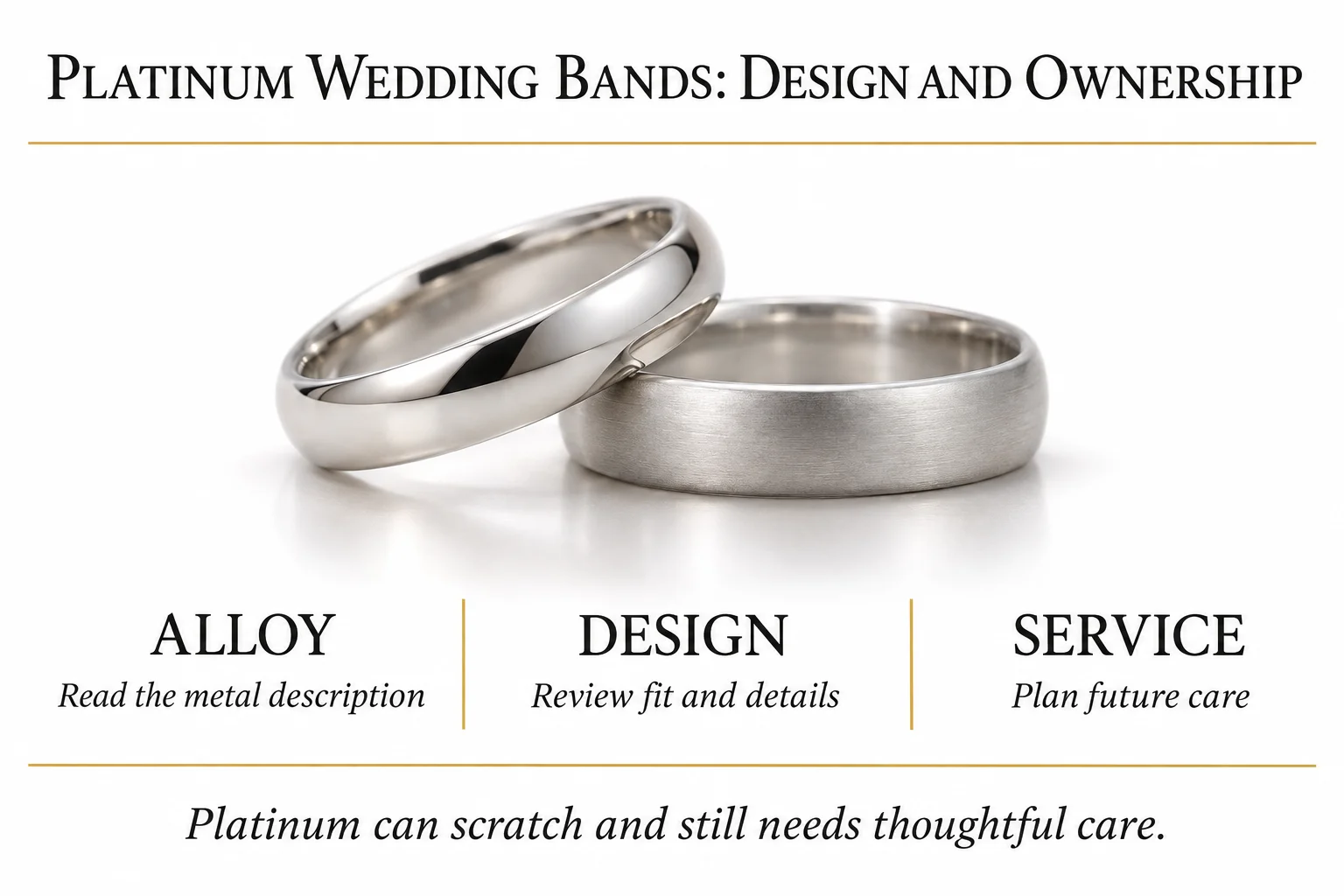
Personalized platinum wedding bands can combine a naturally white metal with a design that reflects the wearer. The useful questions concern the actual alloy, comfortable proportions, feasible personalization and future service. Platinum can scratch and wear; its appeal does not depend on promising an unchanged surface or an indestructible ring.
Review the alloy, complete construction and future service. Platinum can provide a naturally white appearance, but scratches, patina and maintenance remain part of ownership. Confirm fit and personalization before approval.
At a glance · Begin with the band and the wearer · Read the actual platinum alloy description · Understand scratches, patina and realistic wear · Compare platinum with white gold and other options
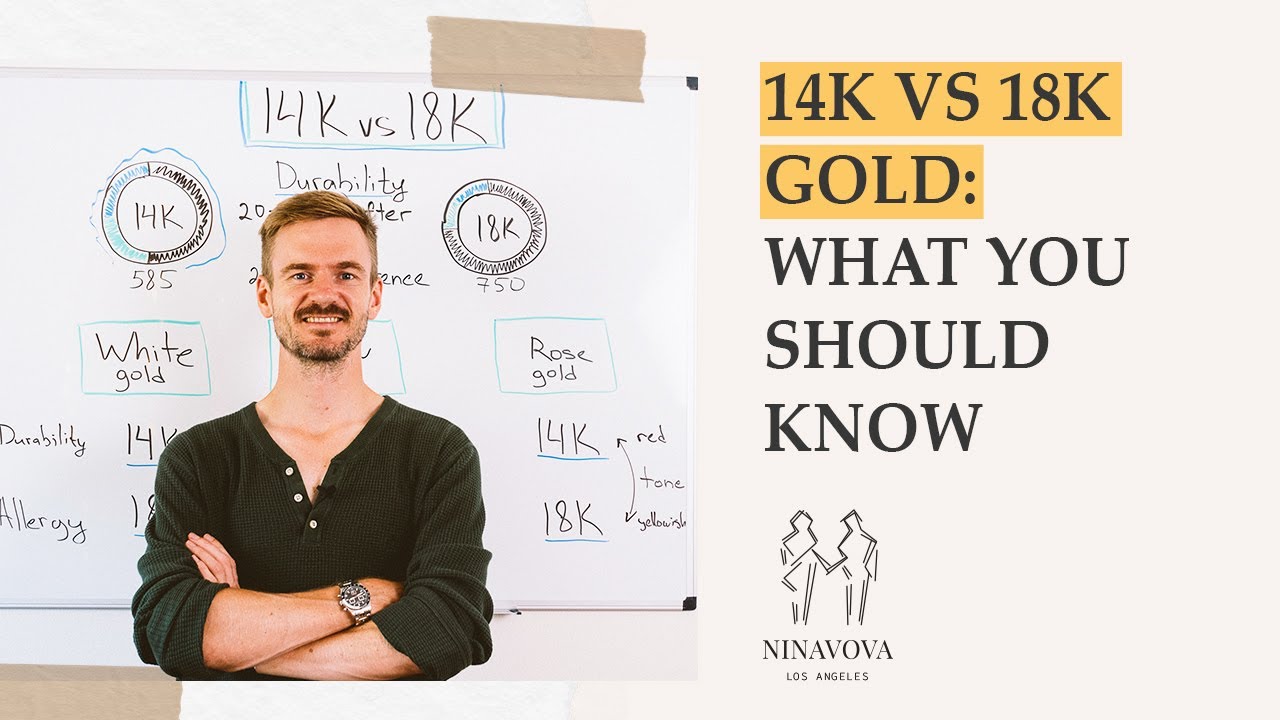
Watch the NinaVova discussion
Watch the original NinaVova video on YouTube.
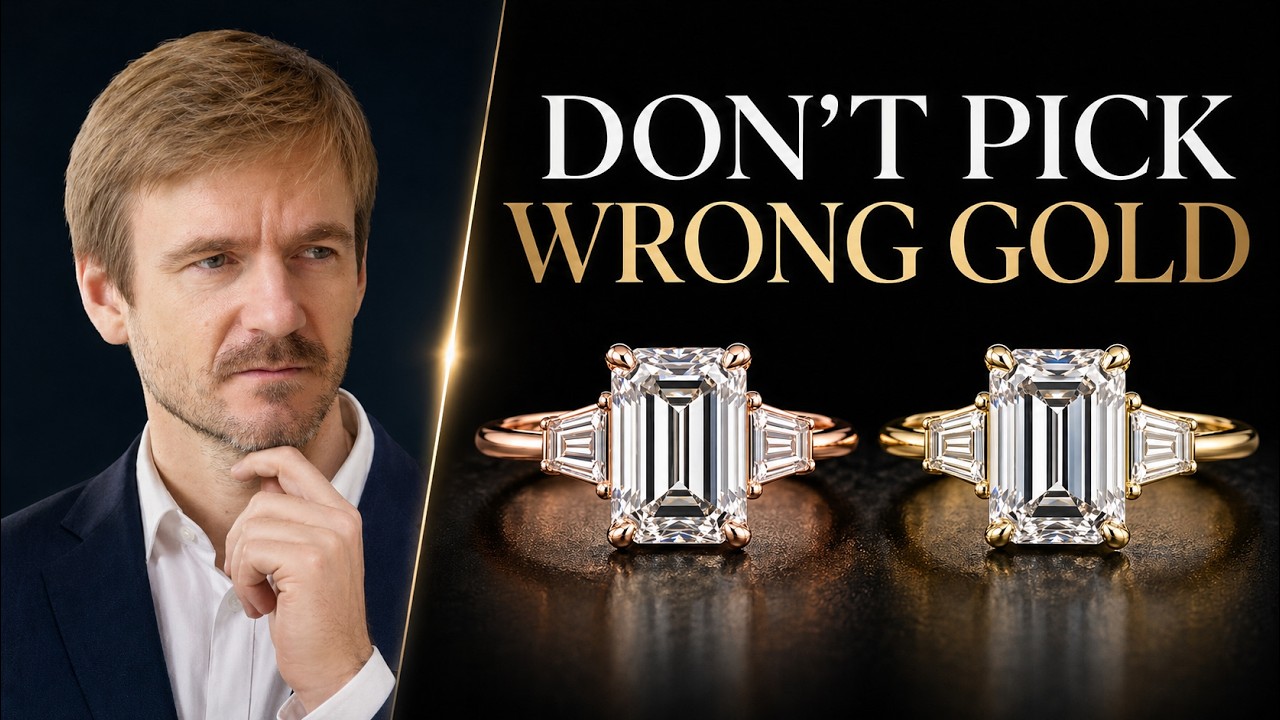
Related NinaVova gold-alloy discussion illustrates why actual metal descriptions matter. This article explains platinum separately rather than treating it as another gold purity.
Personalized platinum band: a practical specification
| Feature | Confirm | Avoid assuming |
|---|---|---|
| Alloy | Platinum proportion and other components | Every platinum alloy behaves identically |
| Finish | Polished, brushed or textured | The surface never changes |
| Personal detail | Engraving, pattern and feasible dimensions | Unlimited later alterations |
| Fit | Intended width and interior profile | A narrow sample predicts every fit |
| Band pairing | Actual profiles and contact | Matching metals guarantee clearance |
| Ownership | Resizing, care and repairs | Platinum is indestructible |
Begin with the band and the wearer
Choose the width, weight and visual presence that feel right on the intended finger. Platinum’s substantial feel may be welcome to one wearer and less comfortable for another.
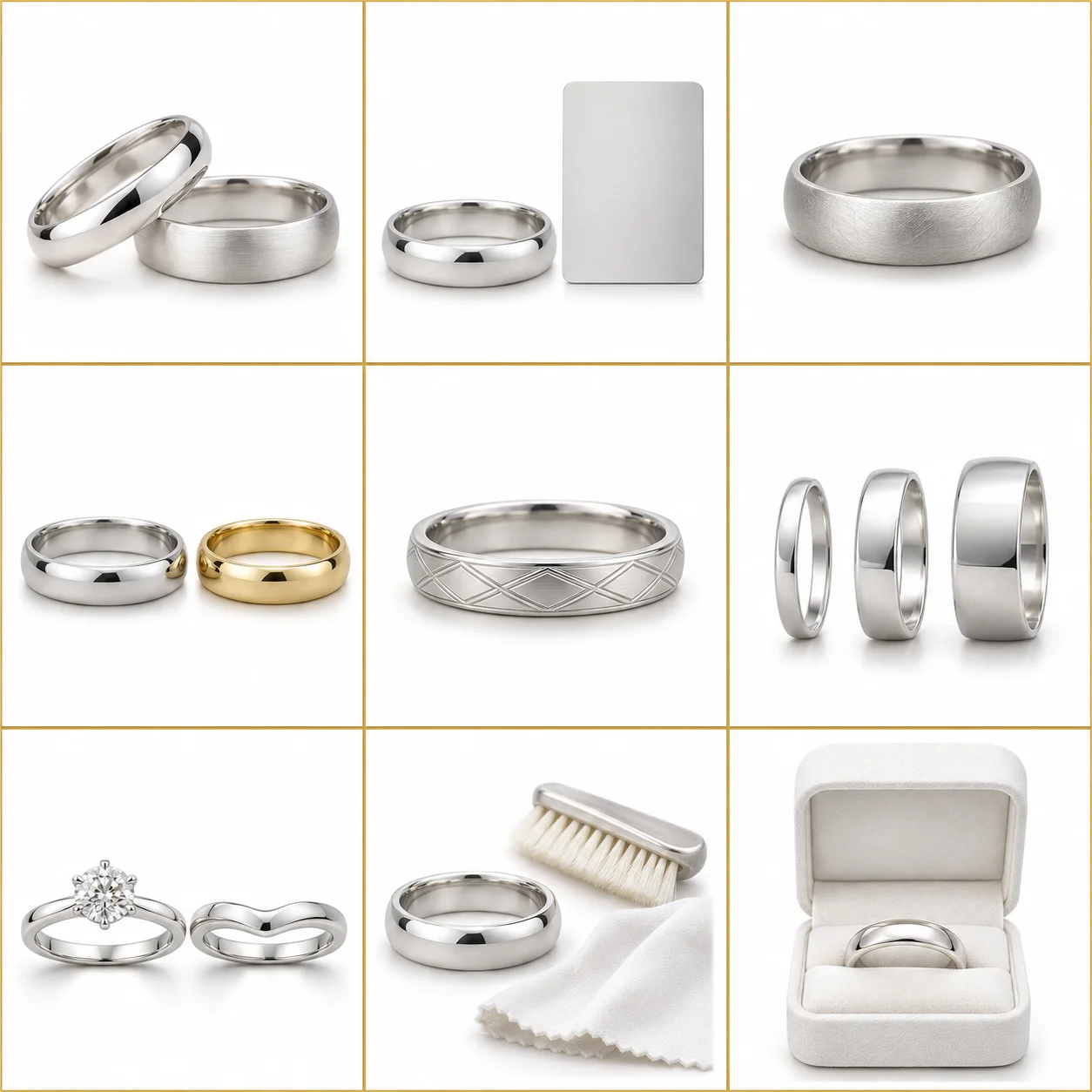
A plain band, sculptural profile or restrained pattern can all carry personal meaning. The metal itself does not impose one style or a particular level of formality.
Partners may choose similar or different designs. A shared inscription or related detail can connect bands without requiring identical widths or materials.
An expensive metal is not a measure of devotion or a guarantee of future value. Treat the purchase as a personal design and ownership decision.
Read the actual platinum alloy description
Platinum jewelry is commonly offered in alloys such as 950 platinum, indicating 950 parts per thousand platinum. Ask what the remaining alloy components are and how the item is described and marked.
Different platinum alloys can behave differently in manufacture and service. A purity number does not describe every aspect of hardness, scratch resistance or setting performance.
If a seller uses a broad platinum-group description, clarify the actual composition. Do not infer that every white precious-metal ring is the same material.
For known sensitivities, request complete relevant alloy information. Avoid a blanket promise that any particular ring will be compatible with every wearer’s skin.
Understand scratches, patina and realistic wear
Platinum can acquire fine scratches and a softer-looking surface often called patina. Some wearers enjoy that appearance; others prefer occasional refinishing where appropriate.
It is too broad to claim that platinum never loses material or always outlasts every gold alloy. Wear depends on the particular materials, construction, conditions and maintenance.
A substantial ring still needs sensible use. Scratches, deformation and damage are different issues, and a claim about resistance to one does not guarantee resistance to the others.
Ask what changes to expect in the selected finish. A realistic explanation is more useful than promising that the band will look newly polished forever.
Compare platinum with white gold and other options
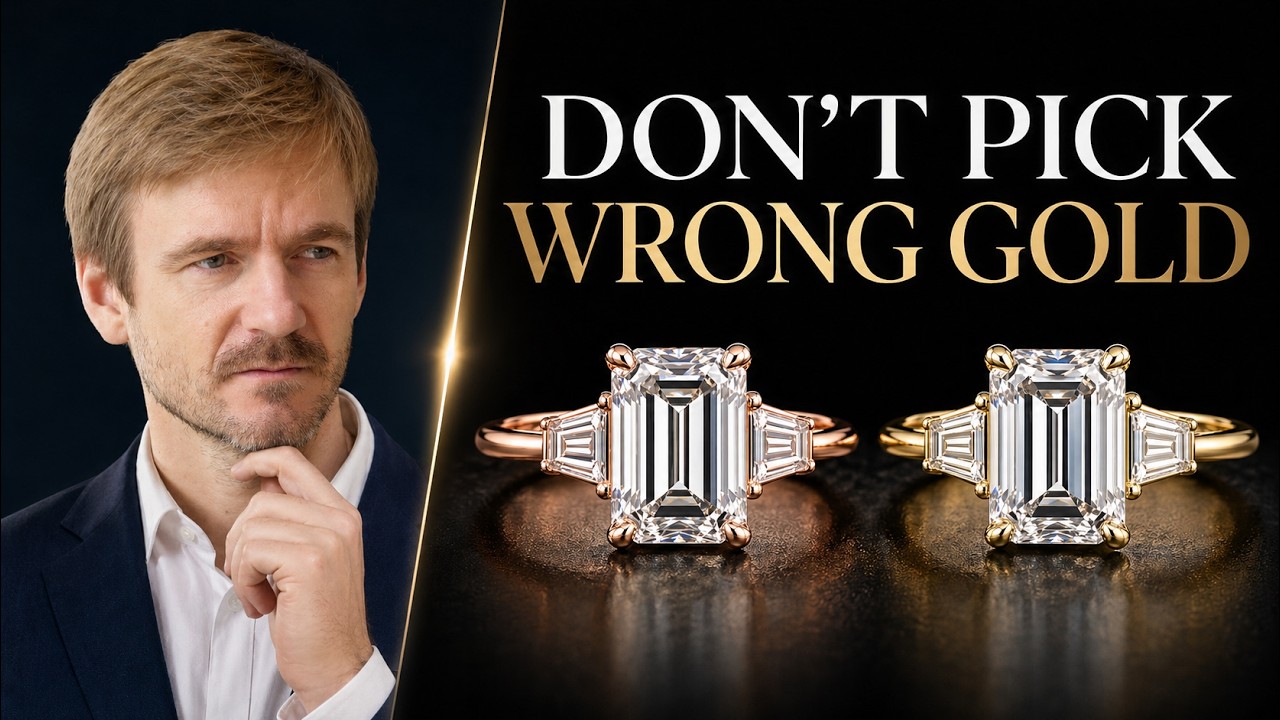
White gold is a gold alloy whose composition affects its color and properties; rhodium plating may be used over it. It is not simply pure gold covered in a white coating.
Platinum normally does not depend on rhodium plating for its white appearance, but it can still need cleaning, inspection and maintenance of the chosen finish.
Palladium, silver and other options have their own alloy and service considerations. Density alone is not a complete ranking of hardness or long-term performance.
Compare the actual design in the available materials, including complete price and current service options. One metal is not automatically best for every wearer.
Choose meaningful details with practical limits
An inscription, special date, fine pattern or contrasting finish can make a band personal. Check that the dimensions provide suitable space and readable detail.
Small gemstones or hidden details may be possible when the construction supports them. Establish gemstone identity and treatment rather than relying only on a symbolic name.
Extensive patterns and stone coverage can constrain resizing or future alterations. Ask how a proposed detail affects service before approving it.
A custom order does not automatically guarantee that no similar design exists. The important distinction can be the wearer’s own story and the actual choices made for the piece.
Review size, width and comfortable edges
Measure with attention to the intended band width and interior profile. A broad platinum band can feel different from a narrow sample or a lighter ring already worn.
Check the edges against neighboring fingers and consider how the ring will feel through a normal day. A high-quality finish should support comfort as well as appearance.
Discuss any uncertainty about size before manufacture. A later change may be limited by the design, components and amount of adjustment required.
Comfort fit describes a profile option rather than a universal result. The actual ring and individual fit still need assessment.
Consider engagement-ring pairing and craftsmanship
If another ring will be worn alongside the band, compare both side profiles and the combined width. Determine whether a straight or shaped band suits the arrangement.
Avoid assuming that matching metal names guarantee a trouble-free stack. The geometry and points of contact can matter as much as the alloy.
For stone-set bands, examine support, even settings and smooth transitions. Platinum does not guarantee that a poorly constructed setting will retain every stone.
Ask how the band is made and serviced when those processes matter to you. Digital planning and hand finishing can contribute together without one label defining the whole result.
Plan care, refinishing and future repairs
Follow instructions appropriate to every component, including any treated or vulnerable stones. A platinum band with additional materials may need different care from a plain ring.
Remove jewelry for heavy work, impact and other unsuitable tasks. A precious-metal ring should not be treated as protective equipment.
If a setting catches, a stone moves or the ring changes shape, arrange an inspection. Periodic checks can identify wear without guaranteeing freedom from damage or loss.
Ask about refinishing frequency and resizing limits rather than assuming repeated polishing or alteration is always harmless. Keep the alloy and project records for future service.
Agree on the personalized order in writing
Confirm the alloy, dimensions, inscription, finish, gemstone details and full quotation. Understand which approvals are required before work proceeds.
If recycled content or another sourcing priority is part of the brief, request the actual evidence and scope. Platinum purity is a different question from sourcing history.
At NinaVova, current availability, feasible construction and service terms should be discussed for the specific project. Earlier work illustrates possibilities rather than a fixed material offer.
A platinum wedding band is most satisfying when the appearance, fit, personal details and ownership expectations work together. Clear specifications help preserve both the ring’s usefulness and its story.
Frequently asked questions
Does platinum remain scratch-free?
No. Scratches and patina can be part of normal wear.
Is white gold simply gold covered in rhodium?
No. White gold is an alloy; rhodium plating may be applied over it.
Can every personalized platinum band be resized?
No. Construction, decoration and components can limit alteration.
Personalize the band around the wearer
We can discuss meaningful details and comfortable proportions, then confirm materials, feasibility and current project terms.
Book a NinaVova consultation or explore our custom design process.
Continue reading: Silver wedding bands · Gold alloy choices · Design consultation.
Sources and further reading
- Stuller: White gold and platinum alloy considerations
- GIA: White-metal options for rings
- FTC: Precious-metal descriptions
- NinaVova: Current project and service terms
Confirm the actual materials, condition, evidence and current written terms for the offered ring. Illustrations do not establish identity, provenance, certification or an environmental footprint.