
Unique Engagement Rings: Unusual Materials, Color and Personal Details

Unusual engagement rings can express a preferred color, an unexpected material or a meaningful detail. The useful goal is a design the wearer enjoys with the practical trade-offs understood. An unconventional appearance does not automatically mean better quality, lower impact or a ring unlike anything else ever made.
Make the distinctive feature work within the complete ring. Unusual materials and colors can be personal choices, but their care and service limits still matter. Compare actual stones, construction, fit and evidence for each claim.
At a glance · Decide what should make the ring personal · Explore alternative materials with service limits understood · Consider morganite and tanzanite as different pink and blue options · Compare moissanite and tsavorite without one universal ranking
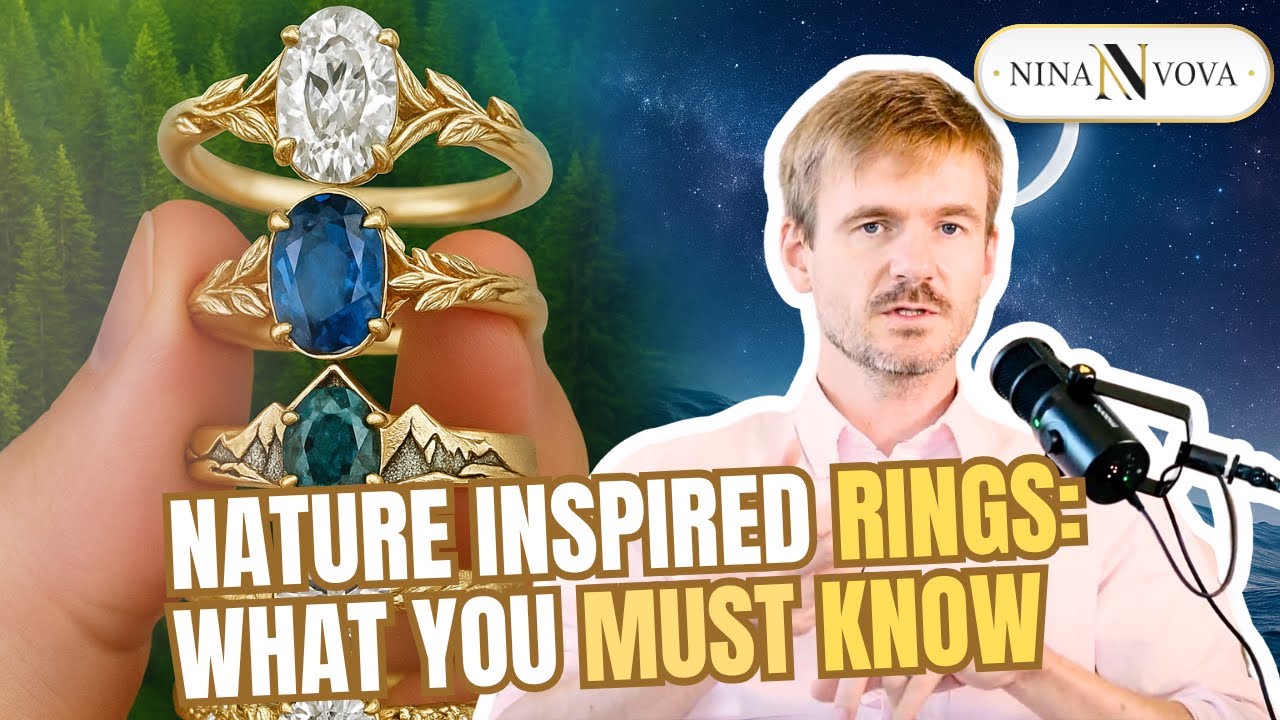
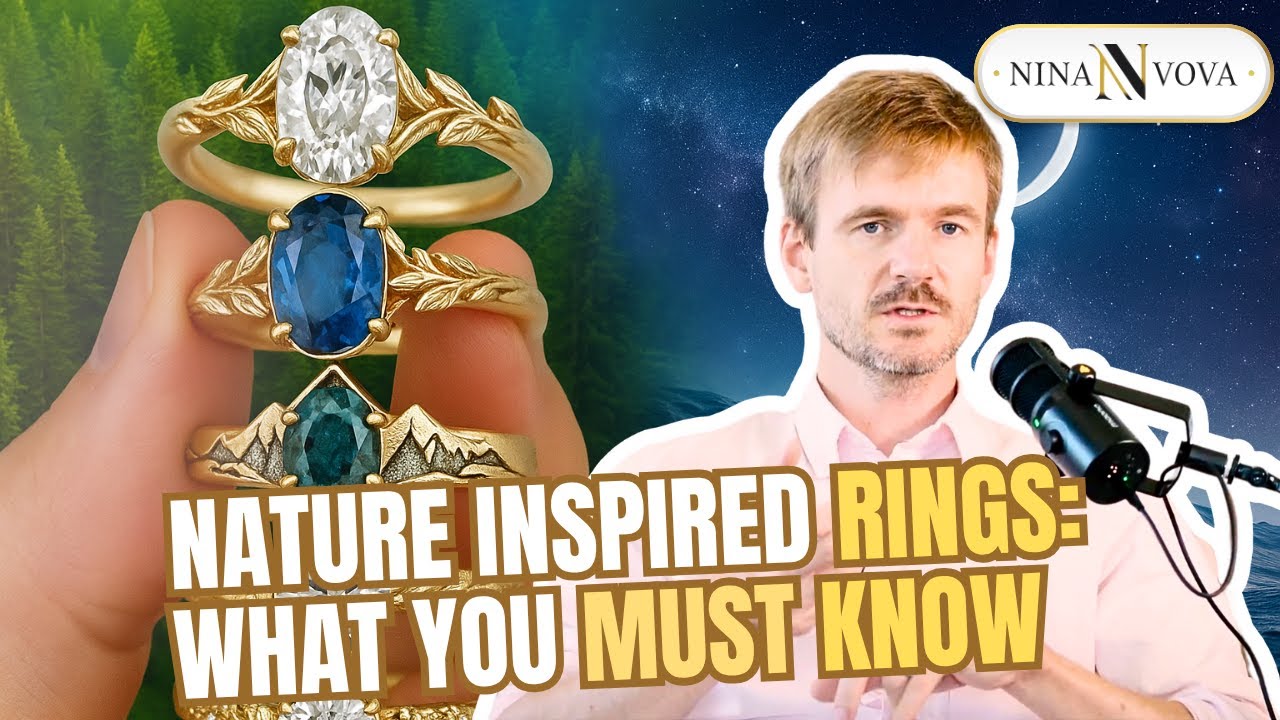
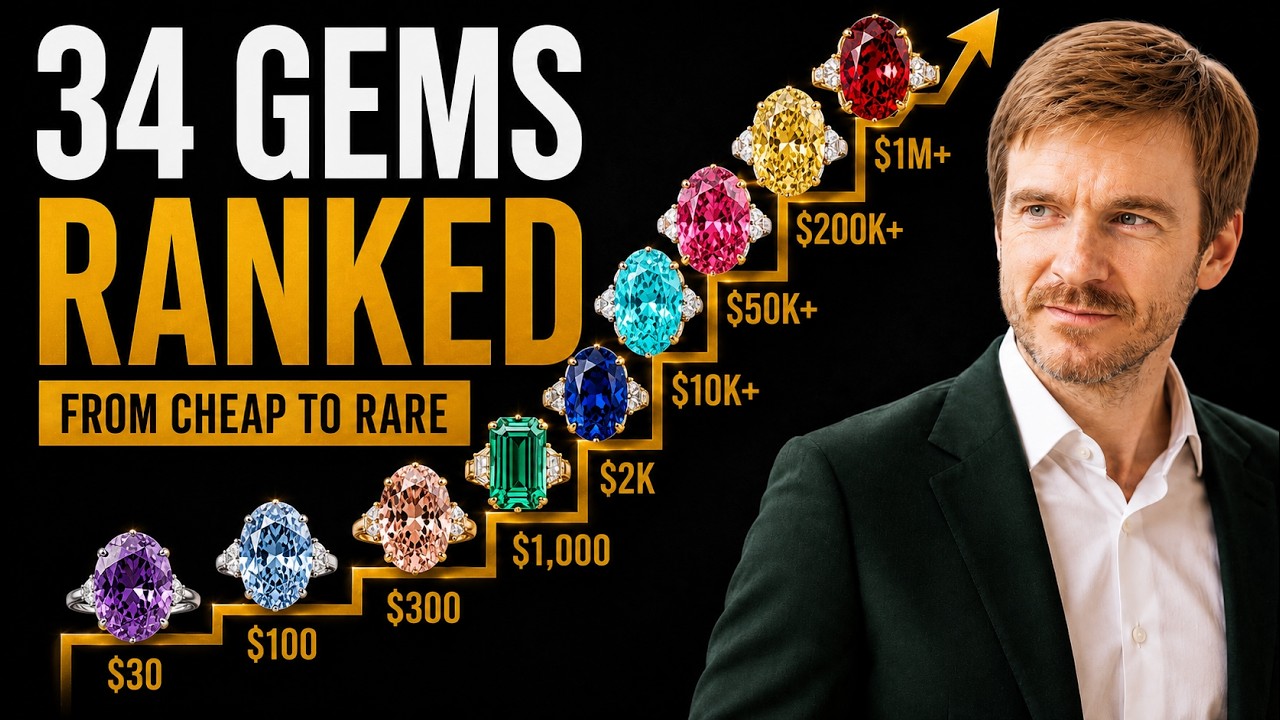
Watch the NinaVova discussion
Watch the original NinaVova video on YouTube.
The NinaVova gemstone-comparison discussion supports weighing color and appearance with practical ownership needs. This guide focuses on unusual materials and personal design details.
Unusual ring choices: the trade-off to discuss
| Choice | Potential attraction | Question to ask |
|---|---|---|
| Wood or inlay | Natural texture | What care and repair are available? |
| Ceramic or titanium | A different surface or weight | What are the sizing and finish limits? |
| Morganite | A pink-to-peach palette | How will the ring avoid knocks and scratches? |
| Tanzanite | Blue-violet color | What selective-wear precautions suit it? |
| Moissanite | A different optical appearance | Is the material accurately described? |
| Tsavorite | A green garnet choice | How should rough wear and impact be avoided? |
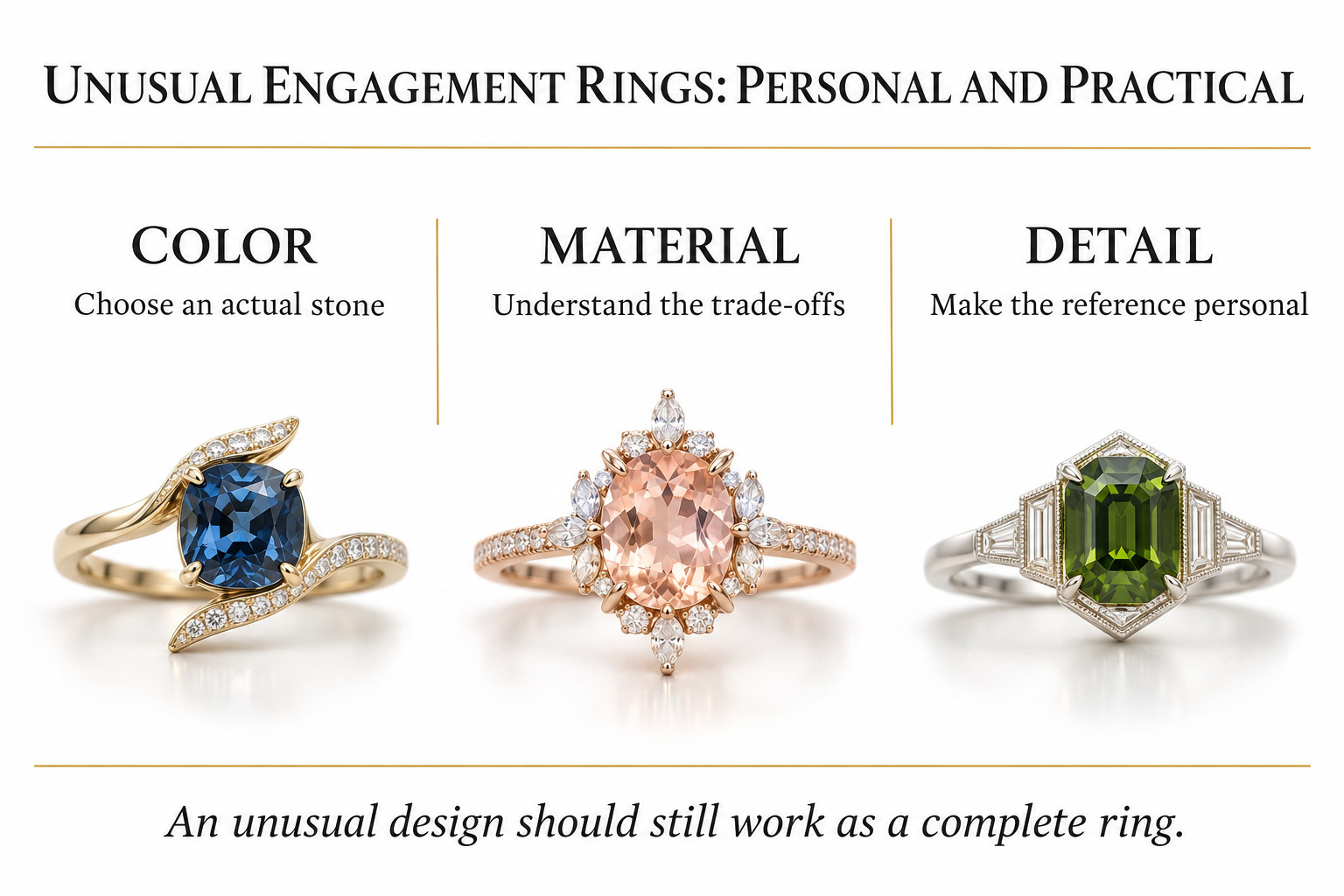
Decide what should make the ring personal
A distinctive stone, a subtle hidden accent or an unusual outline can be enough. The ring need not combine every available material and motif to be meaningful.
Begin with the wearer’s preferences and the way the ring will be used. A conventional solitaire can be just as personal as a sculptural composition when it suits the person.
Choose the feature that matters most and identify where there is flexibility. This makes it easier to compare feasible options within the budget.
Keep personal symbolism separate from a promise about health, luck or a relationship outcome. A design can express a story without guaranteeing what happens next.

Explore alternative materials with service limits understood
Wood inlays, ceramic and titanium can produce very different appearances and wearing experiences. Ask for the actual material, finish and complete construction rather than treating alternative as one category.
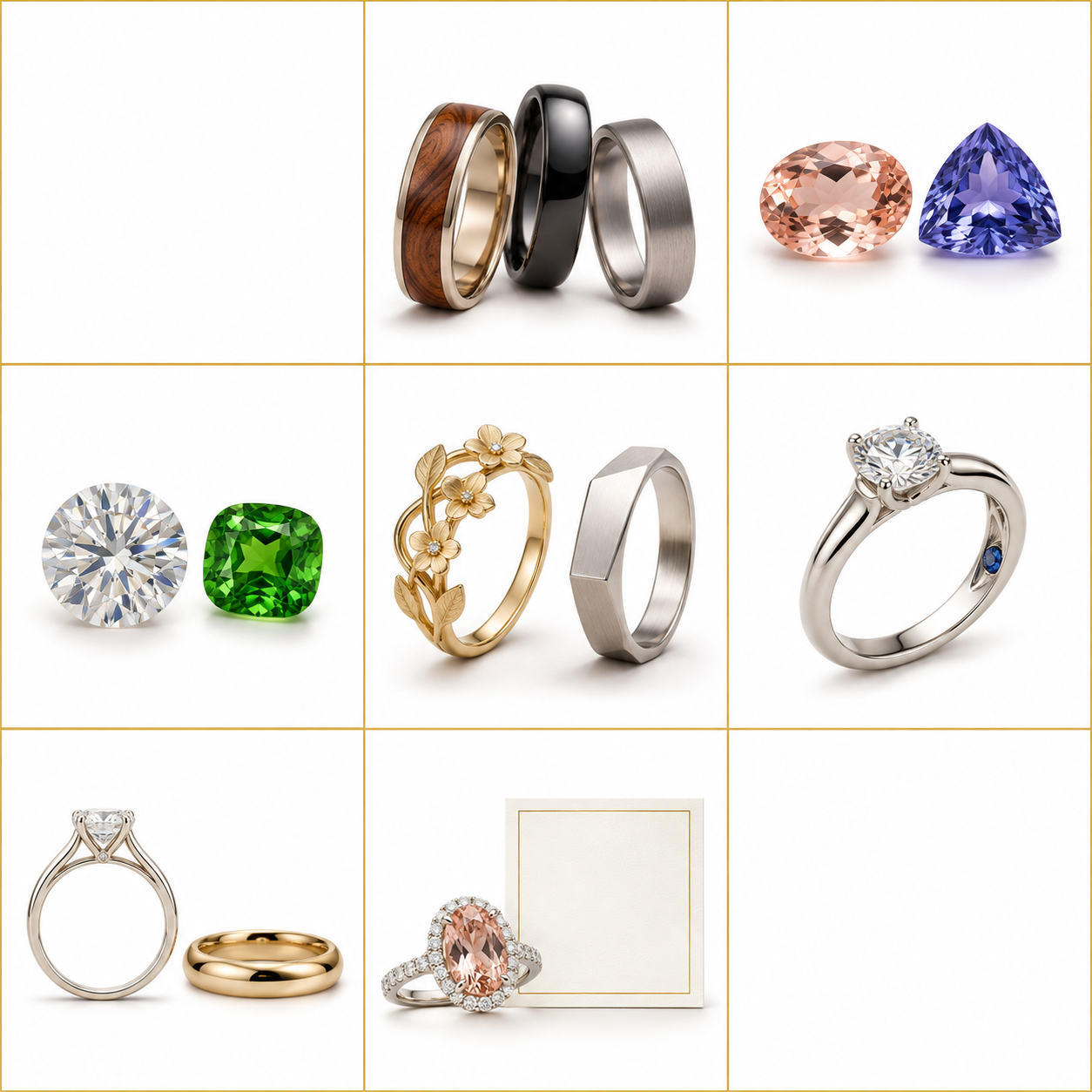
Wood and other inlays introduce their own moisture, cleaning and repair questions. A renewable source does not automatically establish the environmental footprint of the finished ring.
Hard ceramic can resist some surface wear while remaining vulnerable to fracture. Lightweight titanium offers a different feel, but a dark finish or later alteration needs its own explanation.
Resizing and replacement policies are particularly important for unconventional constructions. Confirm the maker’s actual terms before adding a personalized detail.
Consider morganite and tanzanite as different pink and blue options
Morganite can offer a pink-to-peach palette, while tanzanite can provide blue-violet color. Compare actual stones in ordinary lighting rather than choosing a material from one enhanced photograph.
GIA places morganite at 7.5 to 8 on the Mohs scale and advises protection from scratches and hard knocks. Its treatment and condition still matter to cleaning and design.
Tanzanite has lower hardness, fair-to-poor toughness and cleavage. It needs particular precautions against knocks and rough wear; a beautiful blue-violet color does not remove that trade-off.
For either option, ask about identity and treatment and discuss the intended use. Another material or selective wear may better suit a wearer who is hard on rings.
Compare moissanite and tsavorite without one universal ranking
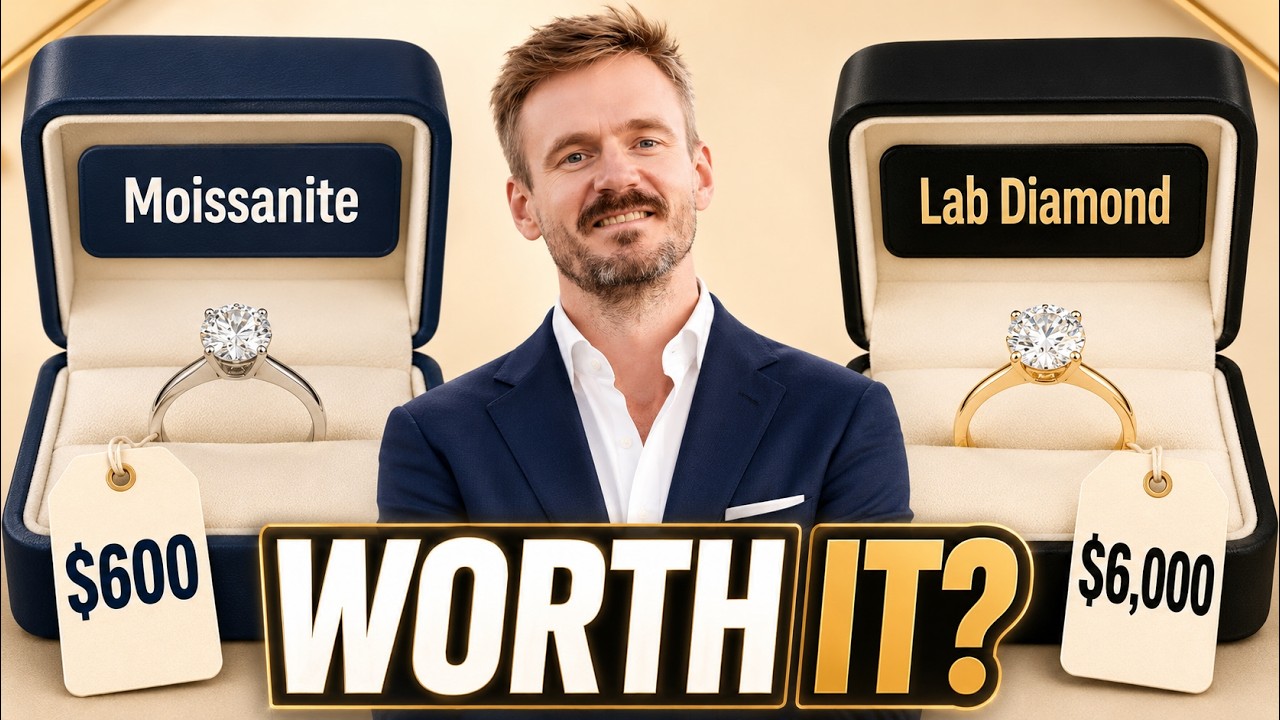
Moissanite is a different material from diamond and should be described as such. Compare the actual appearance, cutting and documentation instead of treating it as a temporary or automatically inferior choice.
Laboratory manufacture does not by itself prove a complete product is impact-free. A sourcing or environmental claim needs its own scope and evidence.
Tsavorite offers a green garnet option, with a different care profile from sapphire or diamond. GIA’s garnet guidance emphasizes avoiding hard blows and rough wear.
Color, optical appearance, condition, construction and ownership needs all belong in the decision. One hardness number or a broad price claim cannot rank every possible ring.
Use natural, geometric or historical motifs deliberately
A leaf, architectural line or quiet asymmetry can guide the composition. Identify the specific feature you enjoy rather than combining broad style labels without a clear priority.
If a design references a cultural tradition, seek the relevant context. A motif should not be assigned one universal ancient meaning merely because a generic symbol chart says so.
Historical inspiration and genuine period manufacture are different descriptions. A contemporary interpretation can be valuable to the wearer without claiming antique provenance.
Review the face and side views together. Fine tips, openwork and raised decoration should remain practical and comfortably supported.
Add private details where the construction supports them
An inscription, small hidden stone, date or meaningful color can make a design personal without dominating its appearance.
Check space, legibility and how a later alteration might affect the detail. A concealed element still needs appropriate construction and care.
For example, a palette might echo a landscape or a shared place. Present that as the couple’s chosen reference rather than a factual property of the gemstone.
Agree on the actual detail in the final specification. A drawing can show intention without reproducing exact stone color, scale or surface finish.
Test comfort, proportions and future band pairing
An unusual outline can change how the ring sits beside neighboring fingers or catches clothing. Compare the practical side profile with the dramatic front view.
The stone’s actual depth, support and setting height affect the result. A low or enclosed design does not make every material safe for every activity.
If another ring will be worn alongside, check contact and the combined width. A shaped band or deliberate gap can be a sensible part of the composition.
Measure for the intended width and interior profile, and ask about future resizing before choosing an intricate or alternative-material construction.
Compare actual quotes and evidence
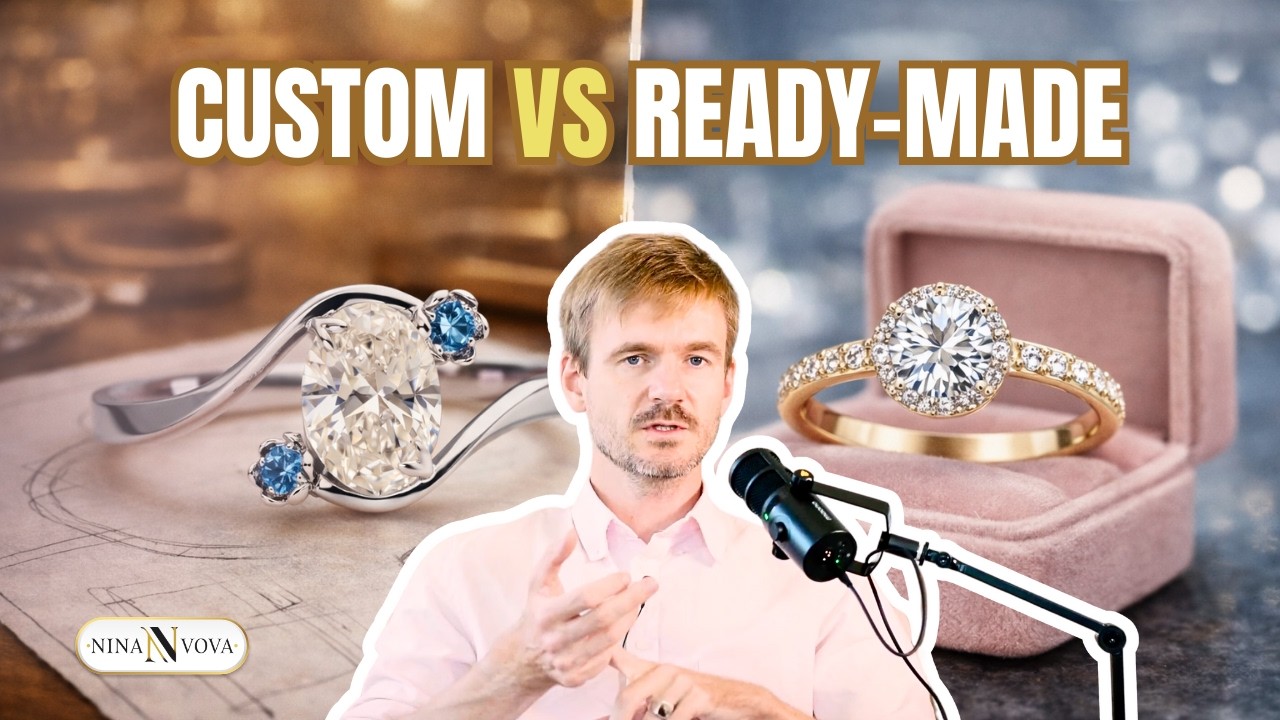
A distinctive ring is not automatically more expensive or cheaper than a ready-made option. The actual stones, materials, work and included service determine the offer.
Ask about the revision scope, availability and delivery expectations. Custom design does not imply unlimited changes or that every imagined combination is feasible.
If responsible sourcing is part of the brief, request project-specific evidence rather than inferring it from a small workshop, an unusual material or a handmade label.
A meaningful purchase does not need a promise of investment returns or exclusivity across the whole world. Clear specifications make comparison more useful.
Choose the complete ring rather than novelty alone
At NinaVova, begin with the wearer’s preferred feature and actual practical needs. The available stone and feasible construction can guide the design around that priority.
Confirm the materials, dimensions, personal details and service terms in writing. Keep the invoice and relevant stone information for future care.
An unusual design can be expressive and restrained at the same time. There is no need to sacrifice comfortable proportions to make it appear distinctive.
The most satisfying choice combines a welcome personal reference with accurate material descriptions, sound construction and realistic ownership expectations.

Frequently asked questions
Does unusual automatically mean higher quality?
No. Evaluate actual materials, construction and service.
Can a hard ceramic band still break?
Yes. Scratch resistance and resistance to fracture are different properties.
Does a laboratory-grown material prove zero impact?
No. An environmental claim needs its own evidence and scope.
Begin with the feature that matters most
We can consider an actual color, material or meaningful detail, then develop a feasible design around the wearer’s practical needs.
Book a NinaVova consultation or explore our custom design process.
Continue reading: One-of-a-kind brief · Black-ring materials · Design consultation.
Sources and further reading
- GIA: Morganite care
- GIA: Tanzanite care
- GIA: Garnet care
- GIA: Moissanite and laboratory-grown diamonds
- Staghead Designs: Material-specific sizing policies
Confirm the actual materials, condition, evidence and current written terms for the offered ring. Illustrations do not establish identity, provenance, certification or an environmental footprint.