
Silver Wedding Bands: Sterling, Fit, Personalization and Care

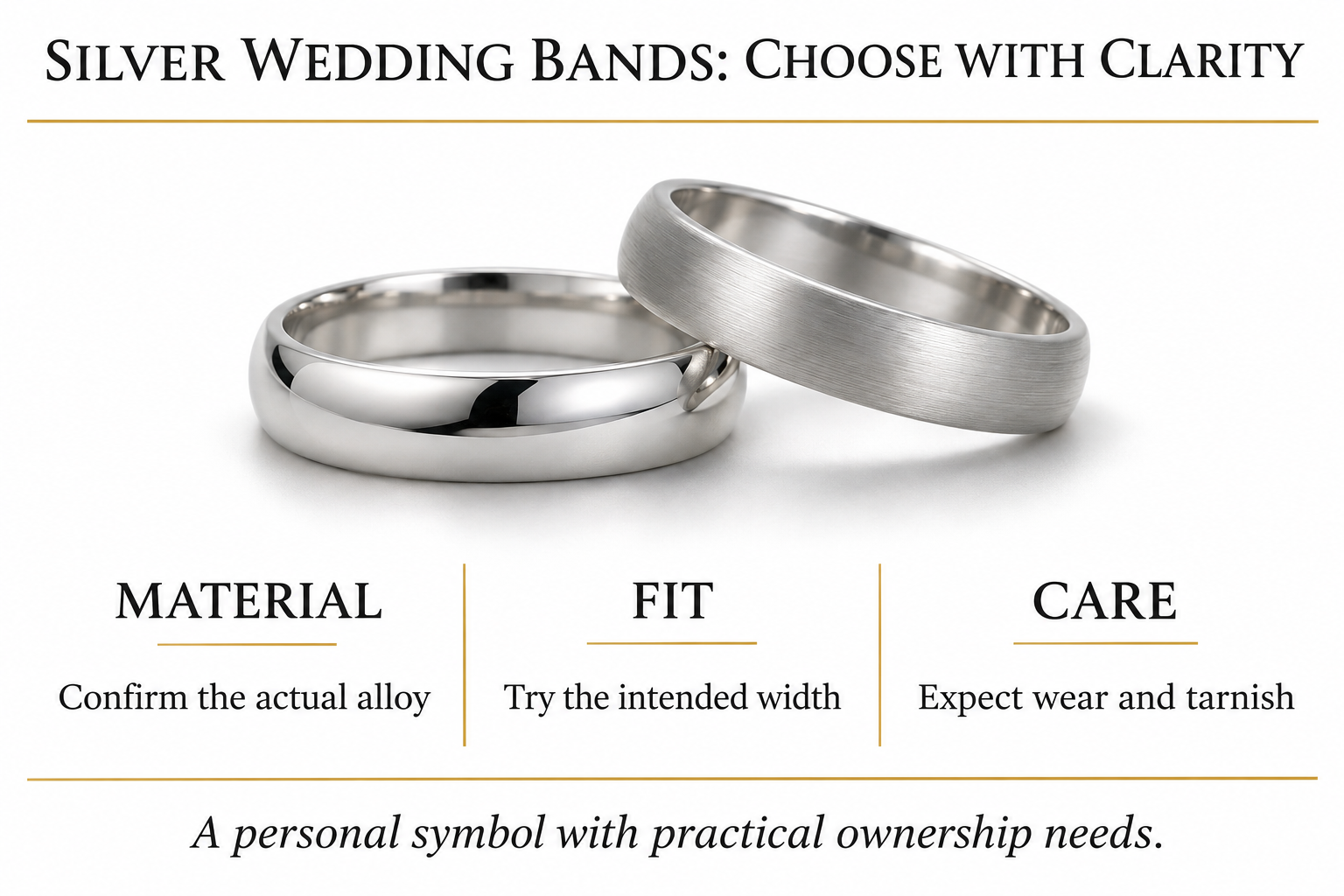
Silver wedding bands can offer a bright appearance and a personal way to mark a marriage. Their meaning comes from the people choosing them, while their practical suitability depends on the actual alloy, dimensions, finish and care. Expect silver to acquire surface wear and potentially tarnish rather than treating it as an indestructible symbol.
Choose the actual alloy and fit with care in mind. Sterling silver is 92.5 percent silver. A band can carry personal meaning while still needing appropriate cleaning, wear expectations and a practical service plan.
At a glance · Choose silver for the appearance and meaning you enjoy · Confirm sterling silver, silver plate and other descriptions · Expect tarnish, scratches and changing finishes · Measure the intended width and profile
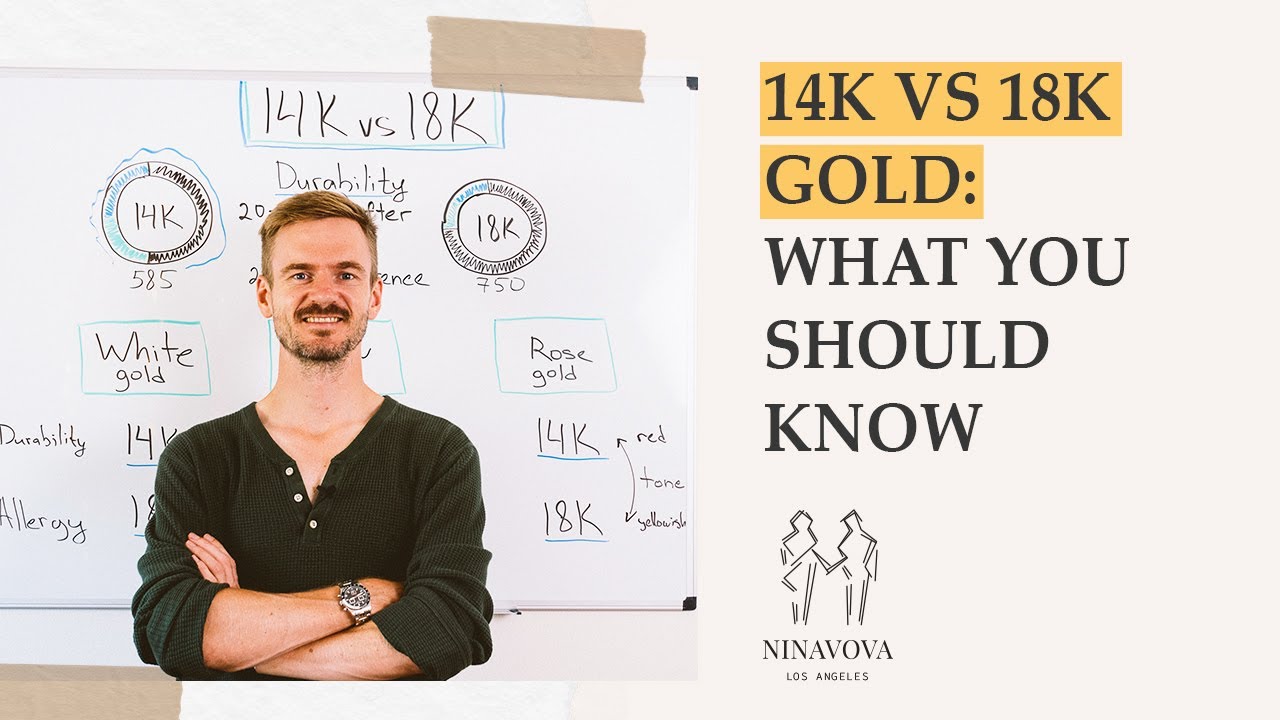
Watch the NinaVova discussion
Watch the original NinaVova video on YouTube.
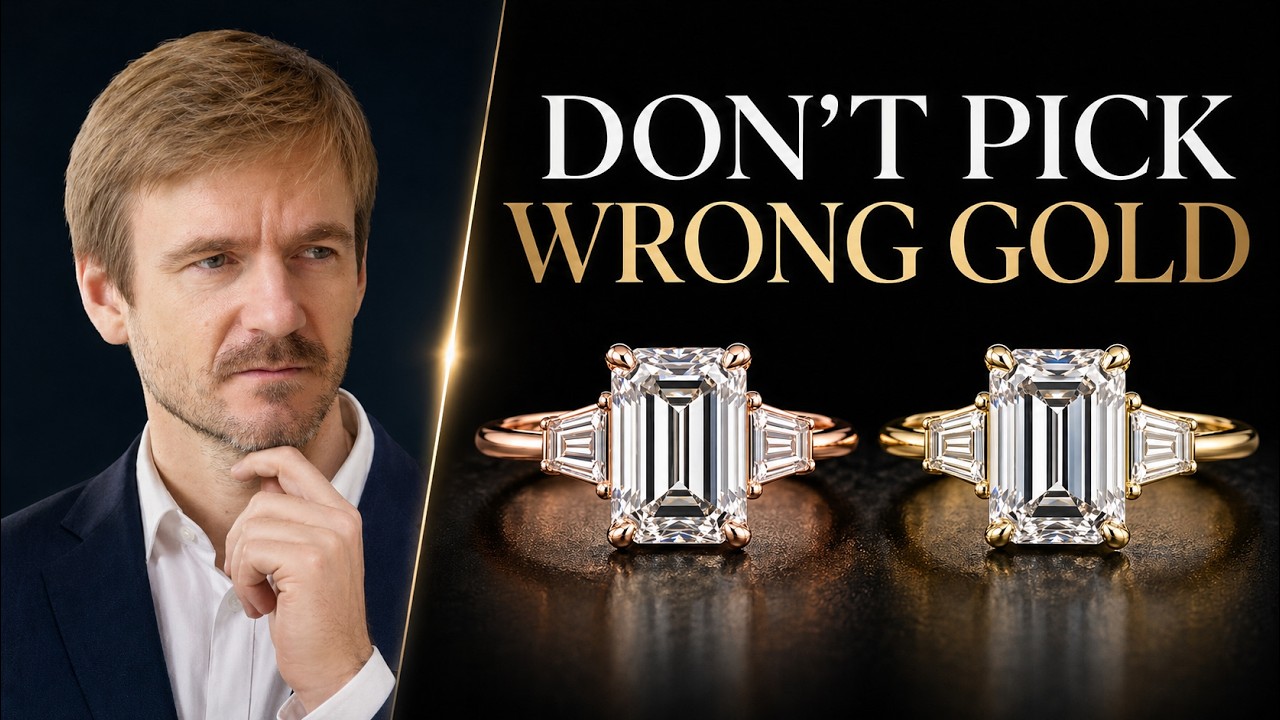
Related NinaVova metal-choice discussion supports comparing appearance and ownership priorities. It discusses gold choices; this article explains the separate considerations for silver.
Silver wedding band: decisions before ordering
| Decision | Ask about | Ownership implication |
|---|---|---|
| Sterling or plate | Written metal description | Different underlying materials |
| Surface | Polished, matte or treated | Finishes can change with wear |
| Width and profile | Actual sizing sample | Broad bands can feel different |
| Personalization | Engraving and stone details | Later changes may affect decoration |
| Pairing | Contact with adjacent rings | A shaped band or gap may help |
| Service | Cleaning, resizing and repair | Limits depend on the complete design |
Choose silver for the appearance and meaning you enjoy
A plain silver band can be an intentional choice rather than a temporary substitute for another metal. Price does not measure the strength of a commitment.
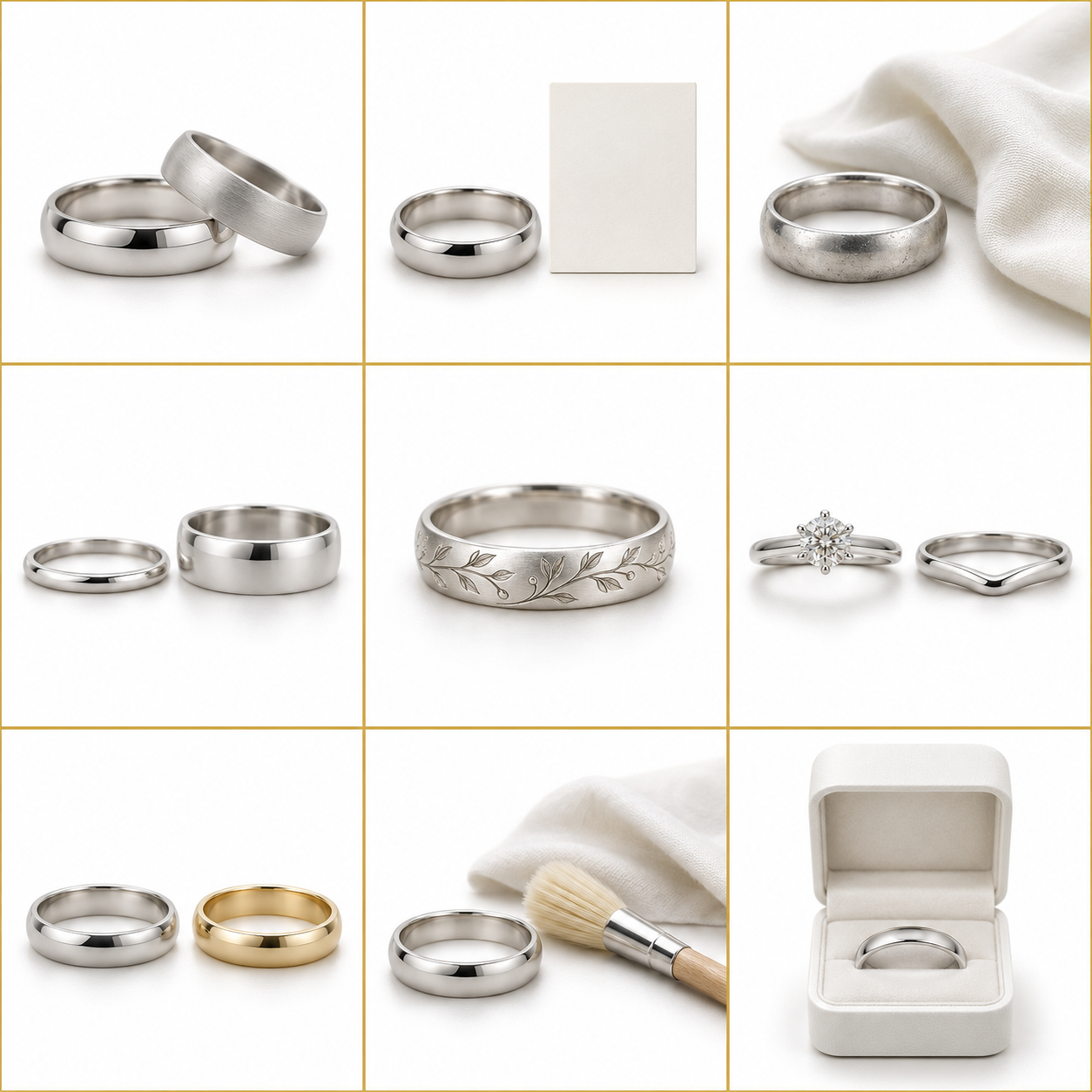
Some wearers prefer a polished surface; others enjoy a quieter brushed or textured finish. Consider how the actual ring looks at normal scale and beside existing jewelry.
A circular band can carry a personal association with continuity, but the metal does not guarantee a relationship outcome. There is no single compulsory symbolism shared by every culture.
Choose the style together or establish the wearer’s preferences before a surprise. A simple design can be just as personal as an elaborate inscription.
Confirm sterling silver, silver plate and other descriptions
Sterling silver contains 92.5 percent silver by weight and is commonly marked 925. The remaining alloy components and the finished construction still matter.
Silver-plated describes a layer over a different underlying material. It should not be assumed to mean solid sterling silver throughout.
A white-looking ring could instead be white gold, platinum, another metal or a coated product. Ask for the actual written description rather than identifying it by color.
If sensitivities are a concern, request the alloy information and discuss known reactions with an appropriate professional. A silver label is not a universal guarantee of skin compatibility.
Expect tarnish, scratches and changing finishes
Silver can tarnish and scratch. These are ownership considerations, not signs that the wearer’s promise or the personal value of the band has changed.
A polished ring can gradually lose its mirror finish, and a brushed surface can develop shinier contact areas. Ask how the chosen finish can be maintained.
Any plating or protective surface introduces a separate question about wear and future treatment. Confirm whether the offered ring has such a finish.
Avoid interpreting durability as resistance to every impact or chemical. The actual alloy, thickness, design and use affect how a band wears.
Measure the intended width and profile
Compare the band on the finger with the intended width and interior shape. A broad band can feel different from a narrow sizing sample.
A rounded interior is often described as comfort fit, but its suitability remains individual. Ask how sizing relates to the particular design and allow for normal variation in finger size.
Check the edges and the space between neighboring fingers. A thick or strongly textured profile should not cause uncomfortable pressure or catching.
If wearing more than one ring, assess the combined width rather than measuring each in isolation. A suitable single-ring fit may feel different as part of a stack.
Personalize with feasible details
An inscription, meaningful date, surface texture or small gemstone can add a personal reference when the band has adequate space and suitable construction.
Confirm engraving length, legibility and placement before work begins. Later resizing or refinishing can affect an inscription or decorative detail.
Birthstone and other symbolic references can be chosen for their personal meaning. Establish gemstone identity, treatment and care separately from that story.
A textured or intricate band should still have a comfortable interior and sensible proportions. Personalization does not remove the need to inspect workmanship.
Coordinate bands without requiring identical rings
Partners can choose matching bands, complementary details or entirely different designs. There is no obligation to use the same metal, width or finish.
A common inscription or a related curve can connect two pieces even when their overall appearance differs. Explain which details matter before approving the design.
If a band sits beside an engagement ring, check the actual geometry and likely contact. Repeated rubbing between settings or stones can cause wear.
Consider a shaped band or deliberate gap when suitable. A flush fit is a design option rather than a universal requirement for a meaningful pair.
Compare silver with other white metals honestly
Silver, white gold and platinum can offer different price, weight, maintenance and construction considerations. Their similar color does not make them interchangeable.
Compare actual specifications and complete quotations. A heavier band, complex texture or stone setting can change the cost, so a broad material label is not a complete price estimate.
White gold is an alloy that may also carry rhodium plating; platinum is another metal with its own alloys and surface-wear behavior. Neither should be described simply as tarnish-proof silver.
If the intended use puts substantial demands on a ring, discuss a suitable construction and alternatives. Changing metal does not make wearing jewelry appropriate for every task.
Clean for all components and arrange service
Ask for cleaning instructions for the actual band, especially if it has stones, plating or intentionally darkened details. A polishing product can alter a finish that was meant to remain.
Use a suitable gentle approach and avoid abrasive household methods. A method appropriate for plain silver may be unsuitable for a treated gemstone or another component.
Remove rings for heavy work, chemicals and impacts that could damage them. If a setting moves or the band becomes distorted, have it inspected before continuing to wear it.
Ask about resizing limits, refinishing and repair options. A plain silver band may offer different flexibility from one with patterns, inlays or extensive stones.
Keep the commitment and the purchase terms clear
Review the complete price, delivery plan, return conditions and current service terms before ordering a personalized band. Confirm which changes are included.
At NinaVova, discuss the specific materials available for the project rather than assuming that every reference shown can be made in silver.
Keep the invoice, alloy description and any stone information together. These records can help with future care and an accurate account of the piece.
A silver wedding band can be a welcome, meaningful choice when its appearance, fit and practical needs suit the wearer. Clear expectations support enjoyment beyond the first day.
Frequently asked questions
Is every silver-colored ring sterling silver?
No. Ask for the actual material and whether there is plating.
Can a silver wedding band tarnish?
Yes. Follow care suitable for its surface and any gemstones.
Must partners choose identical bands?
No. Complementary or different designs can express a shared commitment.
Discuss the band’s meaning and practical design
We can consider a preferred width, finish and personal detail, then confirm the actual materials available for the project.
Book a NinaVova consultation or explore our custom design process.
Continue reading: Platinum wedding bands · Ring sizing · Gold alloys.
Sources and further reading
- GIA: White gold and silver differences
- Jewelers of America: Silver jewelry descriptions
- GIA: White-metal options
- NinaVova: Current project and service terms
Confirm the actual materials, condition, evidence and current written terms for the offered ring. Illustrations do not establish identity, provenance, certification or an environmental footprint.