
Emerald Cut vs Princess Cut Diamonds: Shape, Sparkle and Setting

Emerald-cut and princess-cut diamonds offer different facet patterns and outlines, not two universal levels of quality. An emerald cut typically uses broad step facets and clipped corners; a princess cut commonly combines a square outline with brilliant-style faceting and pointed corners. Compare the actual stones, their condition and the complete ring rather than choosing by a personality rule or a promised price ranking.
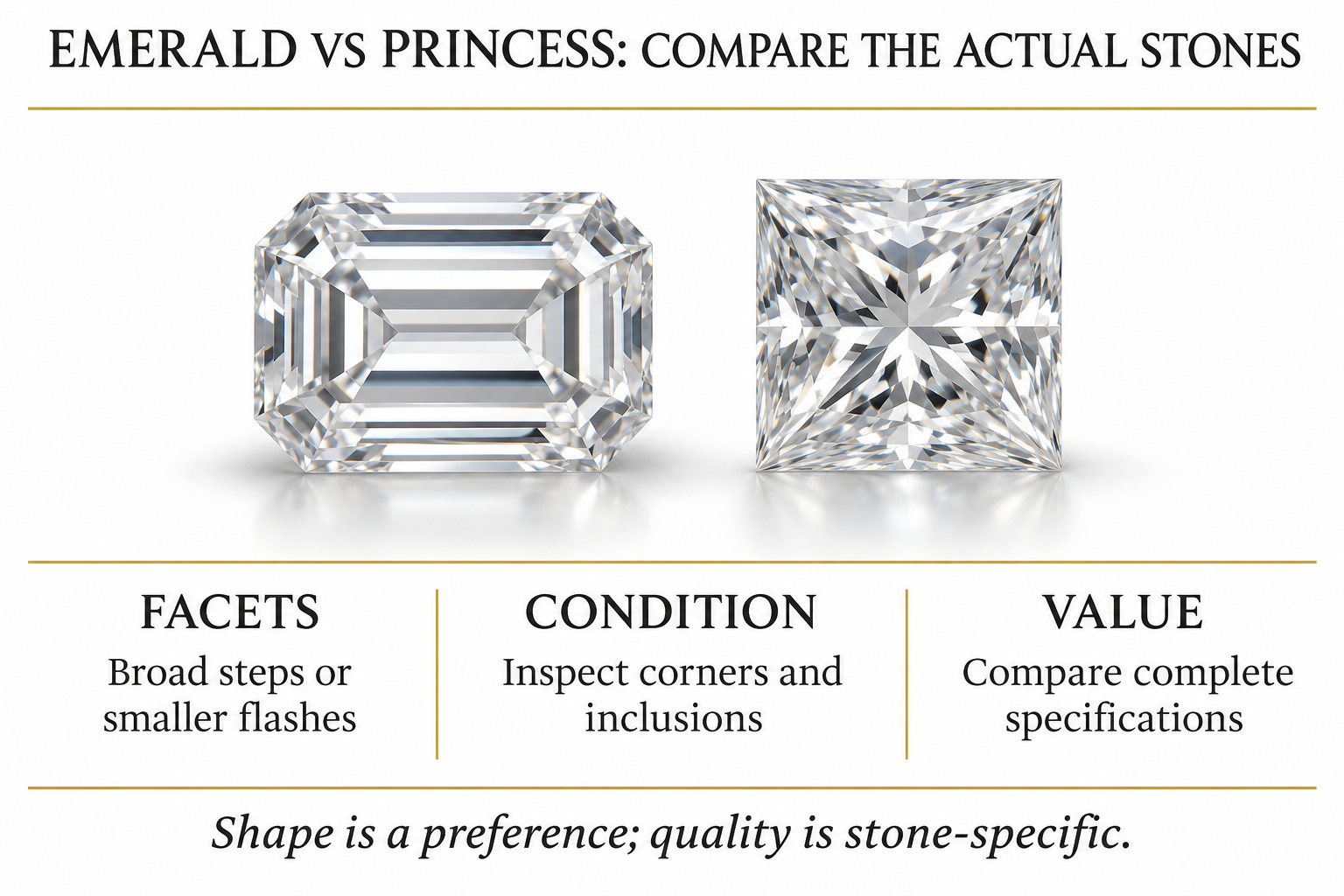
Compare the actual stones, not a universal shape ranking. Emerald cuts typically show broad step reflections; princess cuts commonly show a more fragmented sparkle pattern. Choose the appearance you enjoy, then check condition, dimensions, support and complete terms.
At a glance · Separate diamond shape from the quality of its cutting · Compare the outlines and realistic dimensions · Emerald cuts: broad reflections and visible detail · Princess cuts: smaller flashes and corner considerations
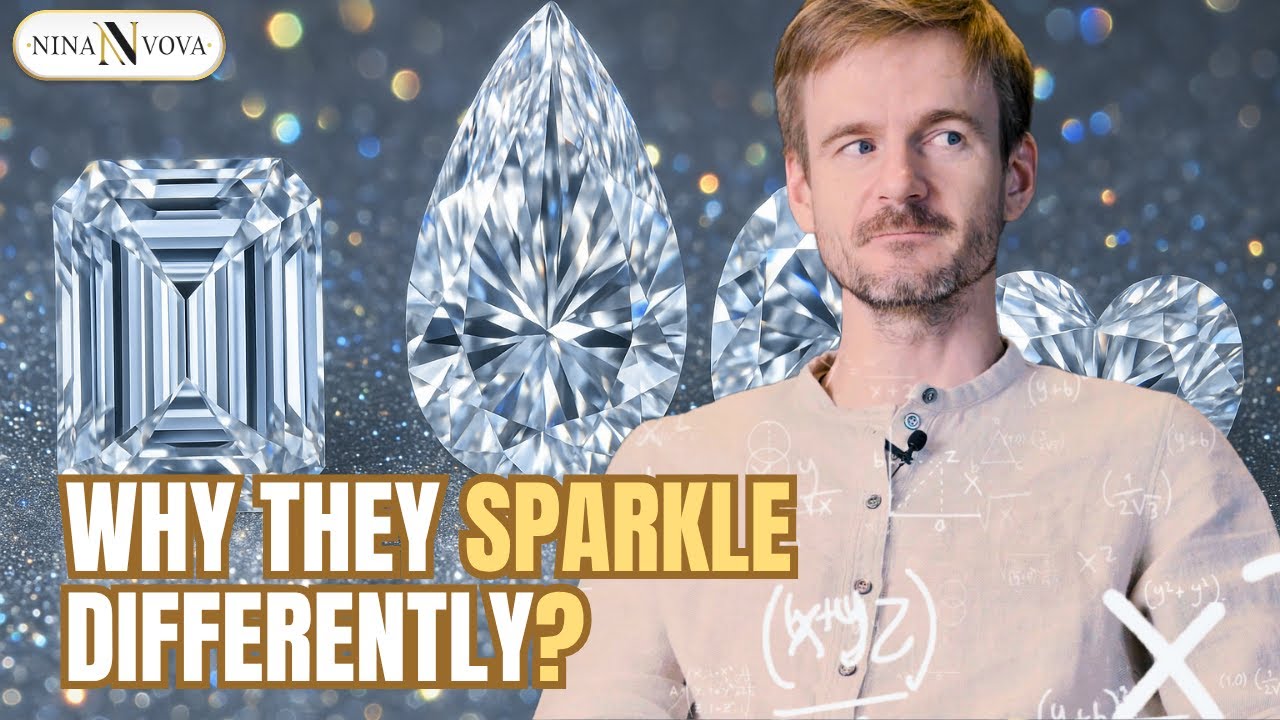
Watch the NinaVova discussion
Watch the original NinaVova video on YouTube.
The NinaVova diamond-shape comparison supports looking at actual light patterns. This guide concentrates on emerald and princess cuts and the practical setting decisions.
Emerald cut vs princess cut: what to compare
| Decision | Emerald cut | Princess cut |
|---|---|---|
| Outline | Often rectangular with clipped corners | Commonly square with pointed corners |
| Facet pattern | Broad step reflections | More fragmented brilliant-style flashes |
| Actual size | Compare length, width and depth | Compare length, width and depth |
| Condition | Inspect corners and visible inclusions | Inspect points and nearby inclusions |
| Setting | Support actual proportions and corners | Provide appropriate point protection |
| Price | Compare complete equivalent offers | Compare complete equivalent offers |
Separate diamond shape from the quality of its cutting
Shape describes the outline and faceting style, while cutting quality concerns how the particular stone is proportioned and finished. Two diamonds with the same shape name can look noticeably different.
An emerald-cut diamond is not an emerald gemstone. The term describes a cutting style that can be used for diamond and other materials.
A princess cut is commonly square, although variations exist. The trade name alone does not establish an identical facet count, depth or optical result for every stone.
Begin with the appearance you enjoy, then evaluate the actual diamond. Neither style should be described as automatically superior or appropriate only for a particular personality.

Compare the outlines and realistic dimensions
An emerald cut often has a rectangular silhouette with clipped corners. Its proportions can range from relatively broad to elongated, affecting the way it sits in a ring.
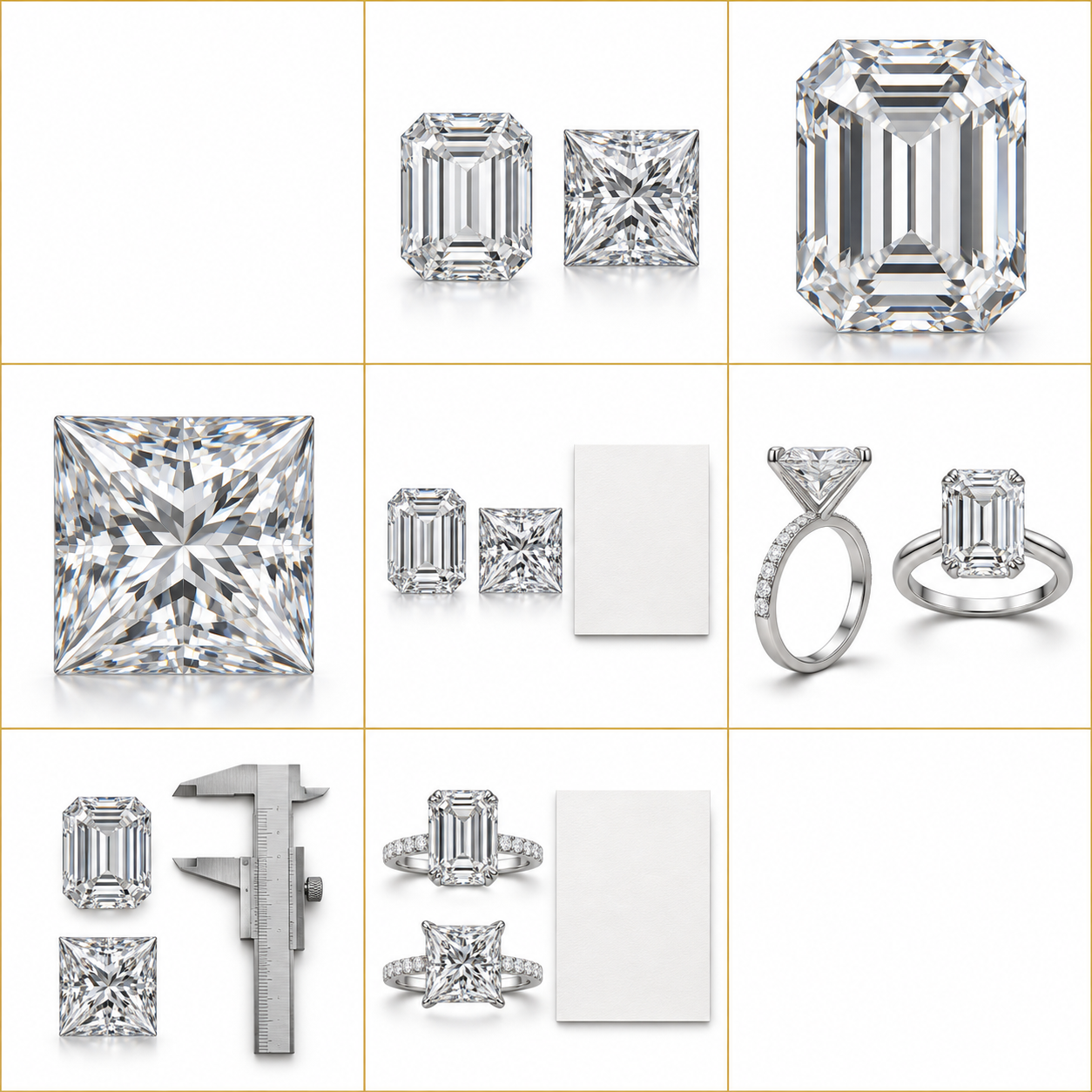
A princess cut typically presents a square or near-square outline with pointed corners. Look at the actual symmetry and measurements rather than relying only on the name.
Carat is a measure of weight, not a fixed face-up size. Compare length, width, depth and the planned setting when judging visual presence.
Try a realistic representation on the intended finger where possible. An enlarged image can make small differences in proportions seem more dramatic than they are on the hand.
Emerald cuts: broad reflections and visible detail
Step facets can create broad, orderly reflections that change as the diamond moves. Evaluate the pattern in more than one ordinary viewing condition.
The open-looking arrangement can make some inclusions or color differences noticeable, but it does not impose one compulsory clarity or color grade on every buyer.
Compare the actual stone with its report and decide which characteristics are acceptable to you. A higher grade does not automatically solve poor proportions or an appearance you do not enjoy.
Look beyond one still photograph. A stone can show different bright and dark areas as the viewing angle changes, so a moving comparison is useful.
Princess cuts: smaller flashes and corner considerations
Princess-cut faceting can produce a more fragmented pattern of sparkle than an emerald cut. The actual result still depends on the stone’s cutting and viewing conditions.
Inspect the pointed corners and any inclusions or condition issues near them. A setting should provide appropriate protection without assuming the diamond is immune to chipping.
Brilliant-style facets may make some inclusions less obvious, but they do not guarantee that every lower-clarity stone looks clean to the eye.
Compare the complete pattern rather than selecting a stone solely from its square outline or a marketing promise of maximum brilliance.
Read the particular report within its scope
Establish natural or laboratory-grown status and the relevant color, clarity and weight descriptions. Verify report information through the issuing laboratory’s official service where appropriate.
Fancy-shape reporting and cut-assessment services can differ. Read what the particular report actually evaluates instead of assuming a round-brilliant cut grade is automatically provided for every fancy shape.
Polish and symmetry descriptions are useful information but should not be treated as a complete substitute for viewing the diamond’s appearance.
A report also does not establish every sourcing claim or guarantee a resale result. Ask separately for evidence relevant to those questions.
Choose a setting for the actual corners and depth
Princess-cut points need careful consideration, and clipped emerald-cut corners still deserve protection. Review the condition and proposed support with the jeweler.
A prong, bezel or other setting needs appropriate dimensions and execution. The style name alone cannot guarantee that every corner is securely supported.
The actual depth affects ring height and the underside structure. A flat front image does not show whether the proposed profile suits the wearer.
Remove the ring for activities involving impact or unsuitable work. Diamond’s high scratch resistance does not make it unbreakable.
Review the metal, fit and wedding-band relationship
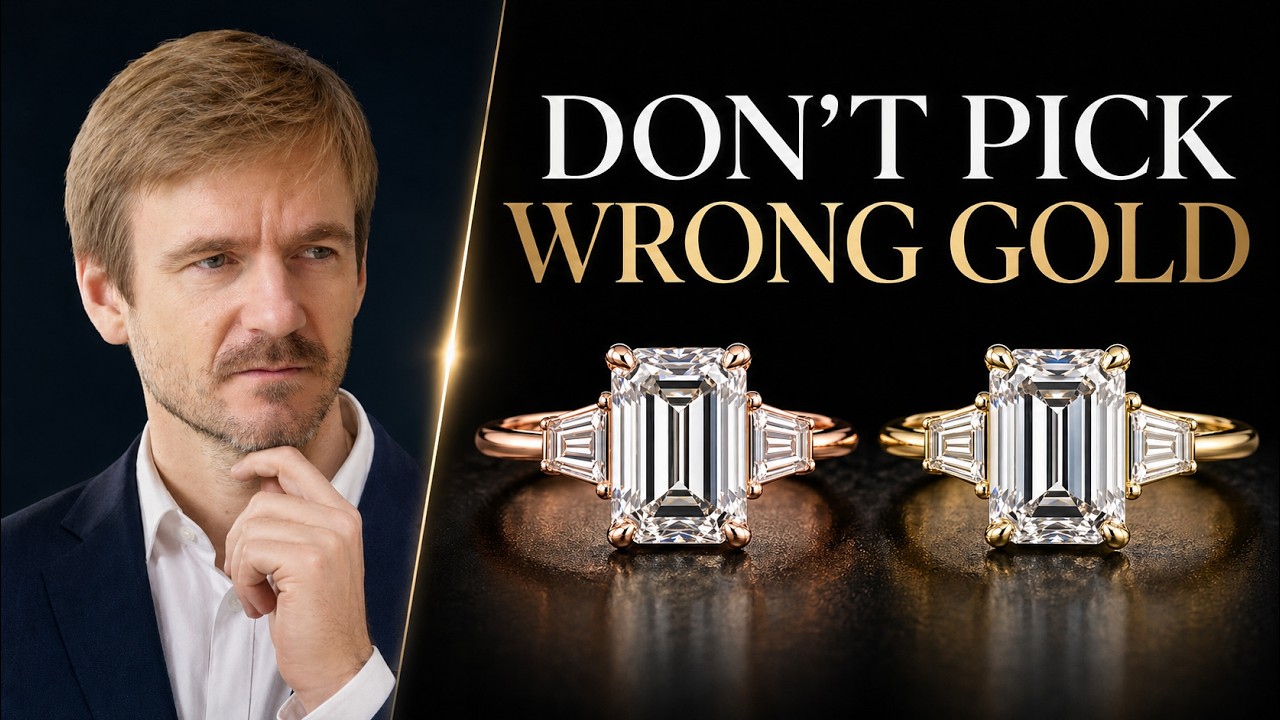
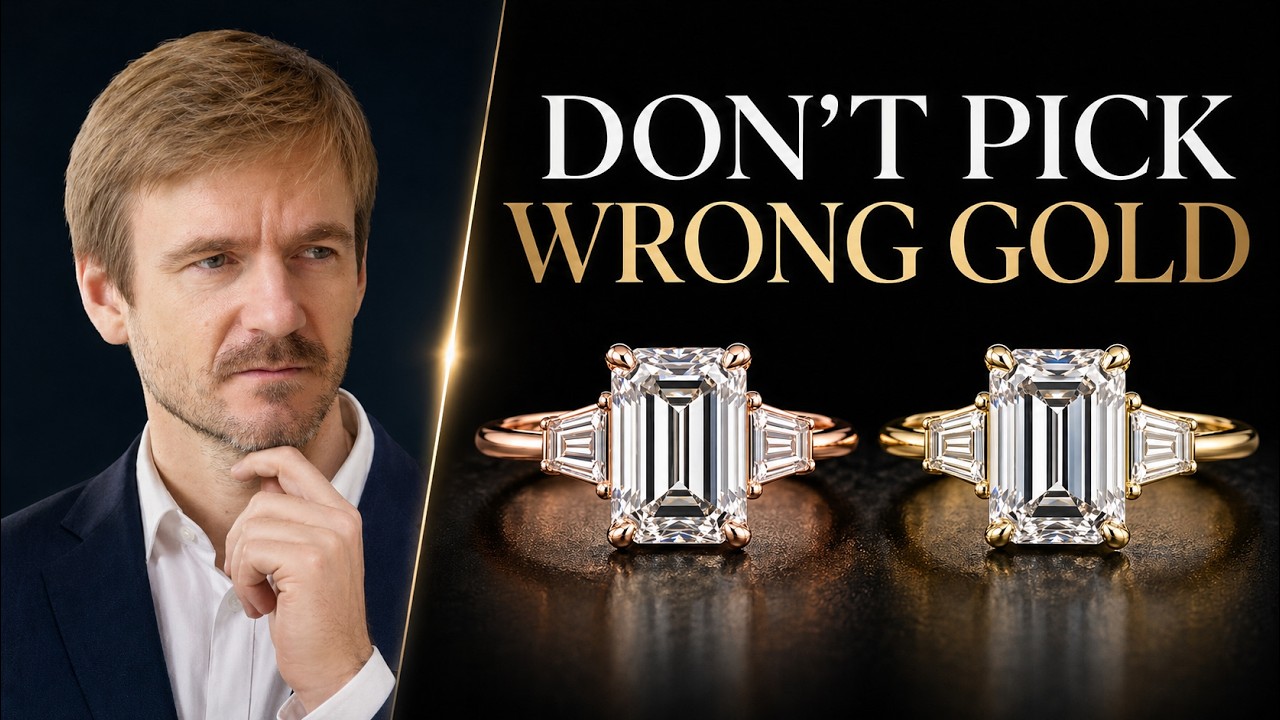
Yellow, rose and white metal colors can frame either shape. Compare the actual alloy and stone together rather than assuming one color is compulsory for a particular cut.
Check the side profile, width and contact with neighboring fingers. A broad square or long rectangle can affect comfort in different ways.
If a wedding band is planned, assess the actual clearance and potential rubbing. A straight band may need a gap or a different pairing.
Measure for the intended ring and combined width where relevant, and ask about resizing limits before approving a complex design.
Compare complete prices without an investment promise
Neither shape is always cheaper than the other. Actual weight, color, clarity, appearance, availability and the complete ring all affect the offer.
Compare equivalent specifications and included work rather than assuming cutting yield alone determines retail price. A center-stone quote and a finished ring quote are different comparisons.
Ask what service, personalization and applicable charges are included. Clear terms are more useful than a broad claim that one setting necessarily costs more.
Diamonds should not be sold with a guarantee of investment performance or easy resale. Personal value, purchase price and future proceeds are different measures.
Choose the visual language the wearer prefers
At NinaVova, the actual diamond and the wearer’s preferences can guide the design. An emerald cut can look contemporary, and a princess cut can be used in a historically inspired composition.
Keep the stone and metal descriptions, final dimensions and approvals in writing. Photographs of earlier projects are references rather than proof that an identical stone is available.
Choose between broad step reflections and a more fragmented sparkle pattern by looking at the stones themselves. A personality label should not make that decision for the wearer.
A considered choice combines an appealing actual diamond, suitable support, comfortable proportions and clear ownership terms, whichever shape you prefer.

Frequently asked questions
Is emerald cut an emerald gemstone?
No. Here it describes the diamond’s faceting style and outline.
Is a princess cut always more brilliant?
No. Compare the actual cutting, light pattern and viewing conditions.
Does carat weight determine the face-up dimensions?
No. Carat measures weight; compare the actual dimensions and proportions.
Compare actual diamonds in a clear design brief
We can consider the facet pattern, proportions and complete ring you prefer, then discuss suitable support and a comfortable profile.
Book a NinaVova consultation or explore our custom design process.
Continue reading: Bezel settings · Design consultation.
Sources and further reading
- GIA: Fancy-shaped diamond buying considerations
- GIA: Cutting styles and definitions
- GIA: How to buy a quality diamond
- GIA: Protecting a diamond from chipping
Confirm the actual materials, condition, evidence and current written terms for the offered ring. Illustrations do not establish identity, provenance, certification or an environmental footprint.