
Engagement Ring vs Wedding Ring: Roles, Fit and Personal Choices

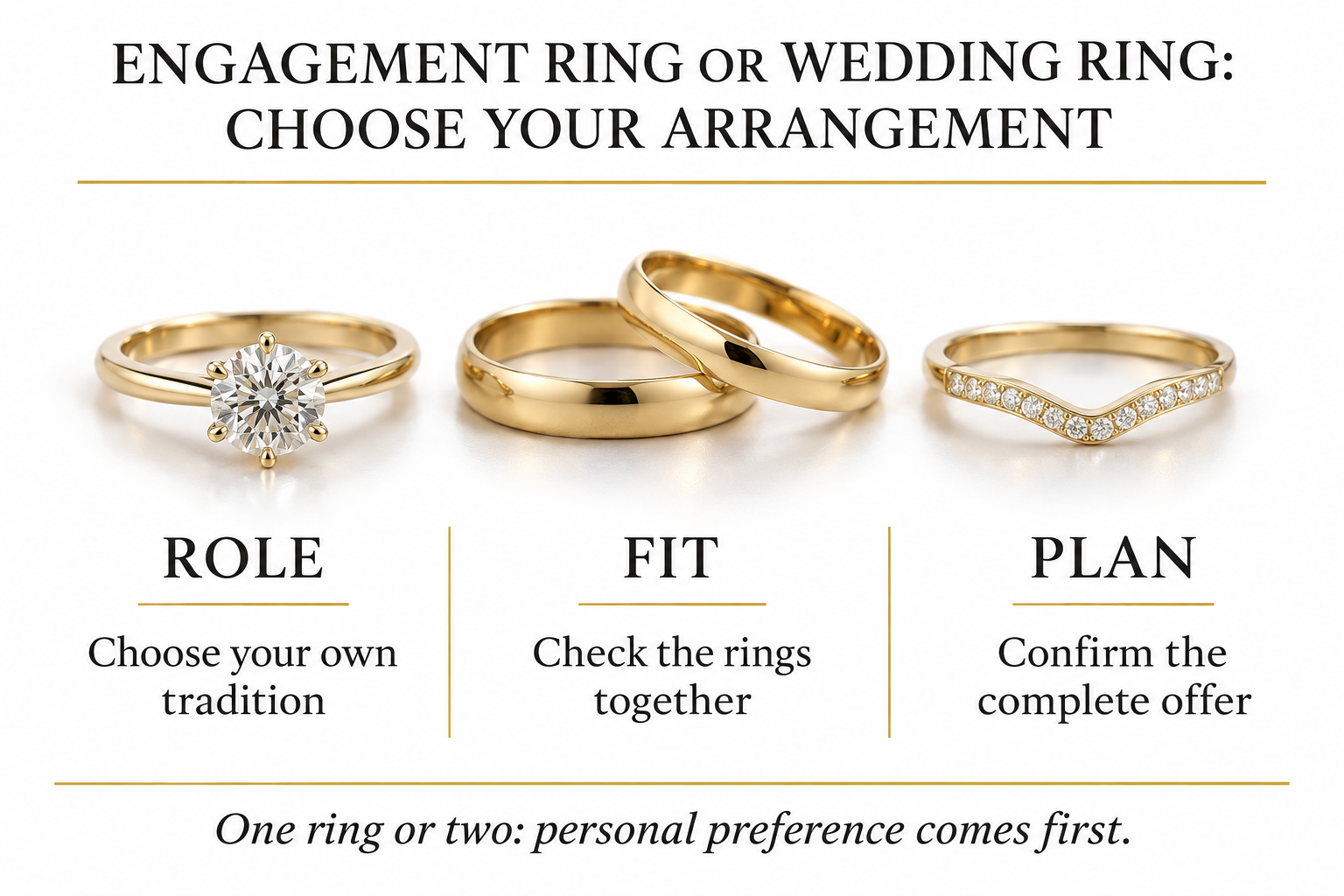
An engagement ring commonly marks a proposal or an intention to marry; a wedding ring is commonly exchanged at the marriage ceremony. Those are familiar uses rather than universal design rules. Either ring can be plain or gem-set, and a couple can choose one ring, two rings or another arrangement that suits their own preferences and traditions.
The occasion and intended use matter more than a fixed design rule. An engagement ring commonly marks an intention to marry; a wedding ring commonly marks the ceremony. Either can be plain or gem-set, and one ring or two can suit the wearer.
At a glance · Begin with the role rather than the appearance · Choose the timing and meaning together · Treat customs as varied rather than universal · Decide whether one ring or two suits the wearer
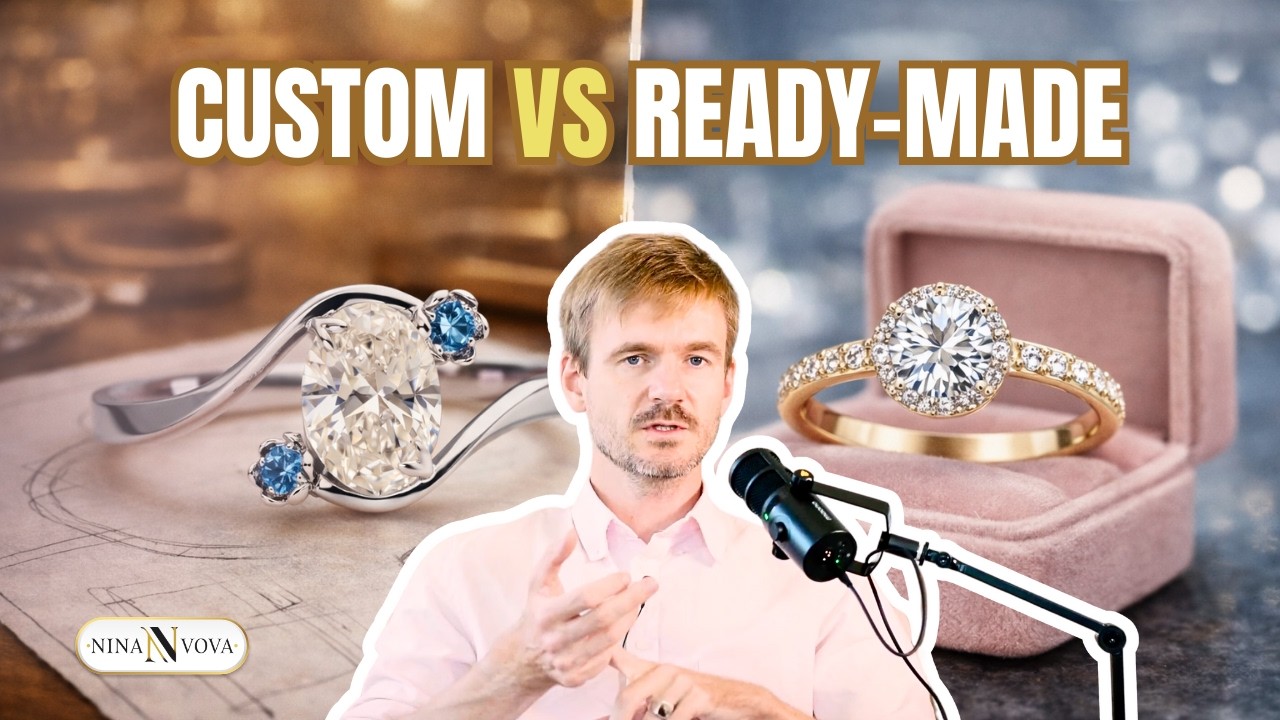
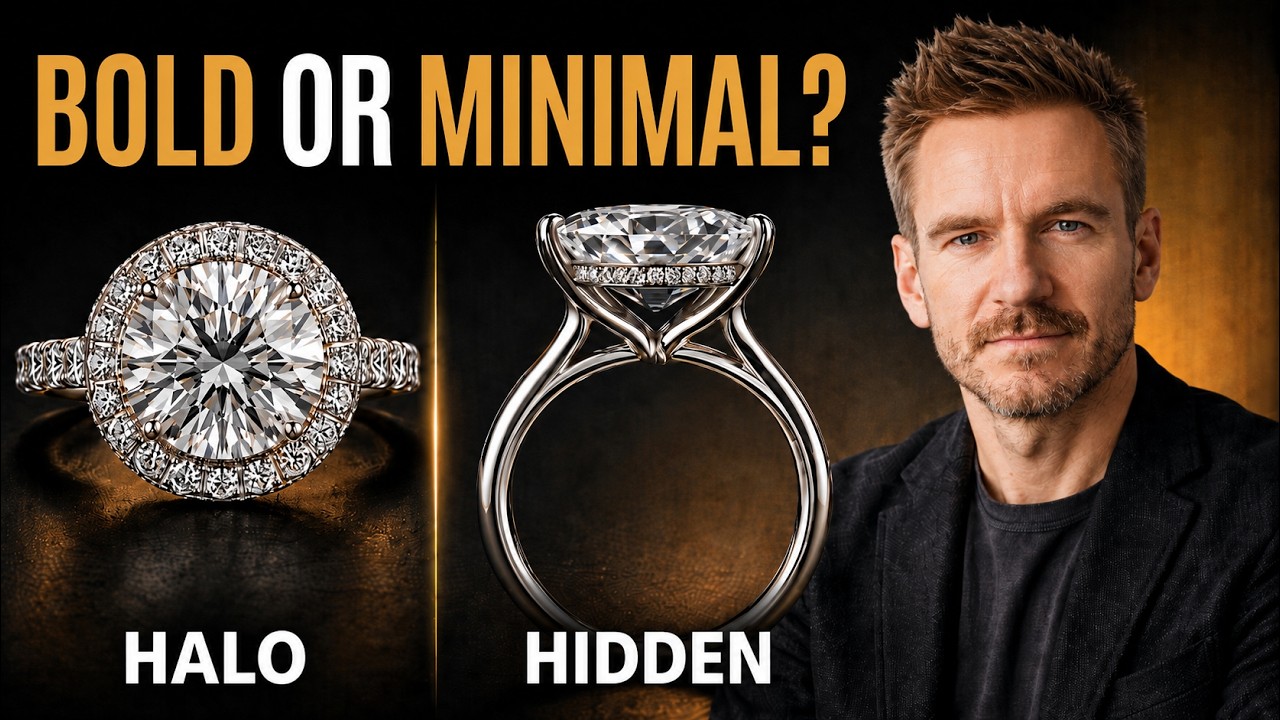
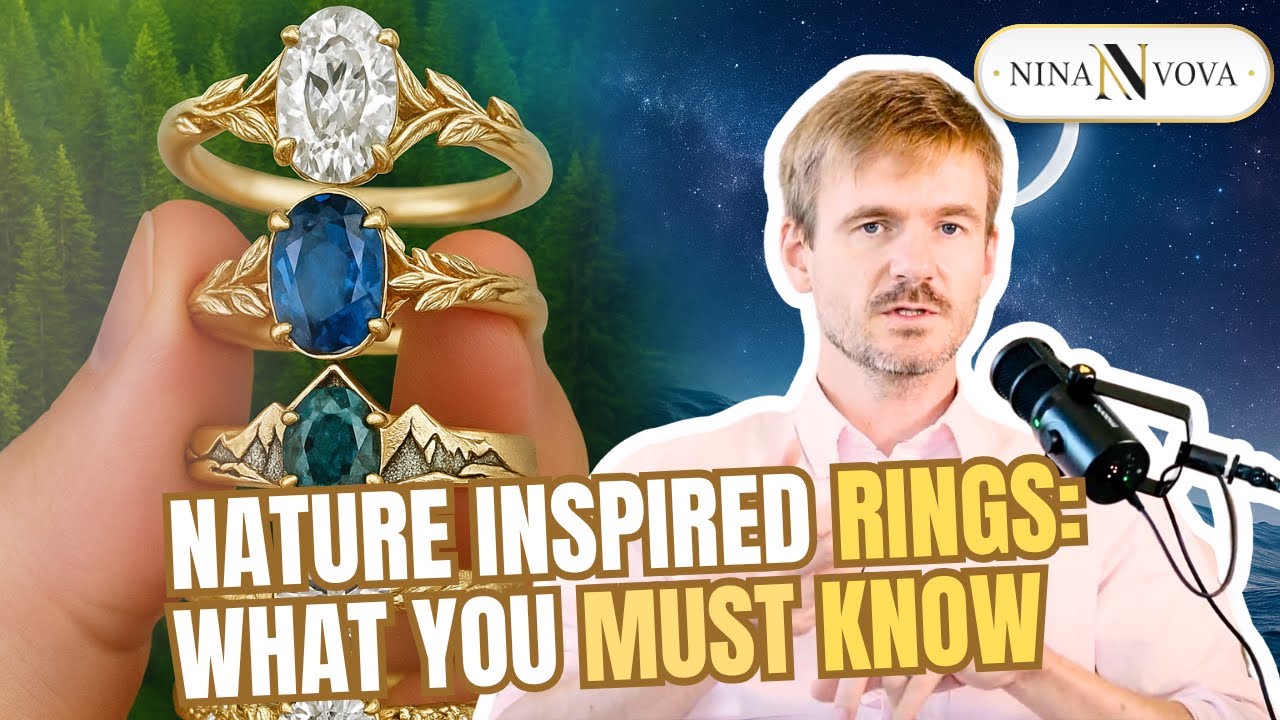
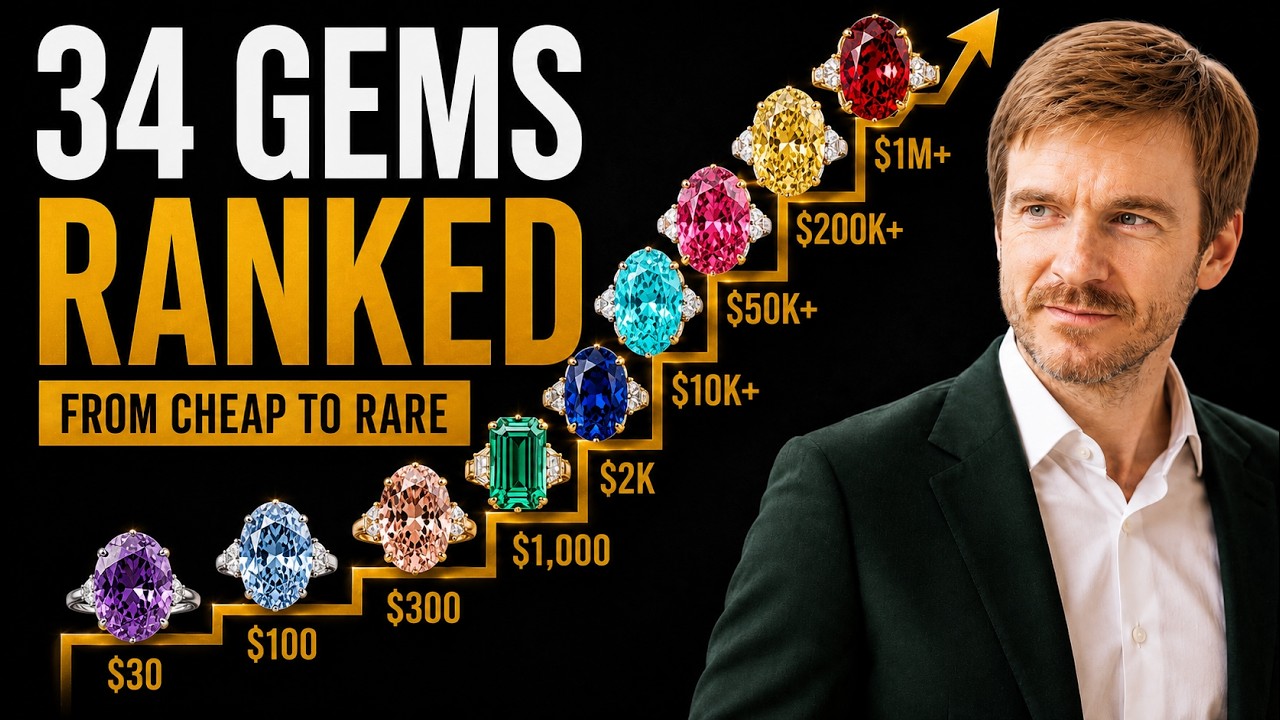
Watch the NinaVova discussion
Watch the original NinaVova video on YouTube.
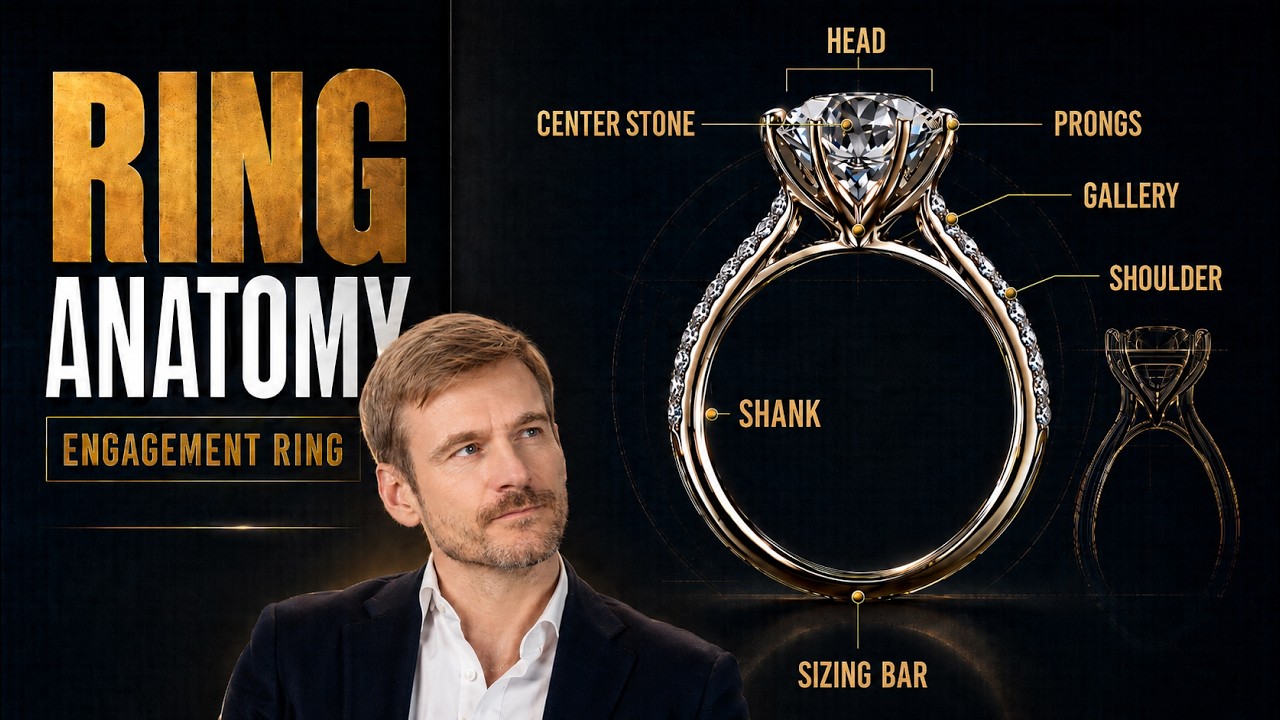
The NinaVova ring-anatomy discussion is a related companion for understanding the pieces being compared. This written guide focuses on their roles, personal choices and practical pairing.
Engagement ring vs wedding ring: familiar roles, flexible designs
| Consideration | Engagement ring | Wedding ring |
|---|---|---|
| Common occasion | Proposal or intention to marry | Marriage ceremony |
| Possible design | Plain or gem-set | Plain or gem-set |
| Meaning | Personal or traditional | Personal or traditional |
| Price | Depends on complete specification | Depends on complete specification |
| Wear | Depends on material and routine | Depends on material and routine |
| Pairing | Review profile and clearance | Review combined width and contact |
Begin with the role rather than the appearance
A large center stone is familiar in many engagement designs, while a plain band is familiar in many wedding designs. Neither feature is required to define the ring’s role.
A simple band can mark an engagement, and a wedding ring can contain substantial gemstones. Ask how the wearer wants to use the piece.
The names help explain the occasion and intended arrangement. They do not establish one ring as more meaningful, more expensive or more durable.
For a personal purchase, start with the person and the occasion before selecting a style category.

Choose the timing and meaning together
An engagement ring may be offered at a proposal or selected together afterward. A wedding band may be exchanged during a ceremony or acquired on another meaningful occasion.
The couple can attach their own significance to a circle, gemstone or design detail. Those associations are not guarantees about the relationship’s future.
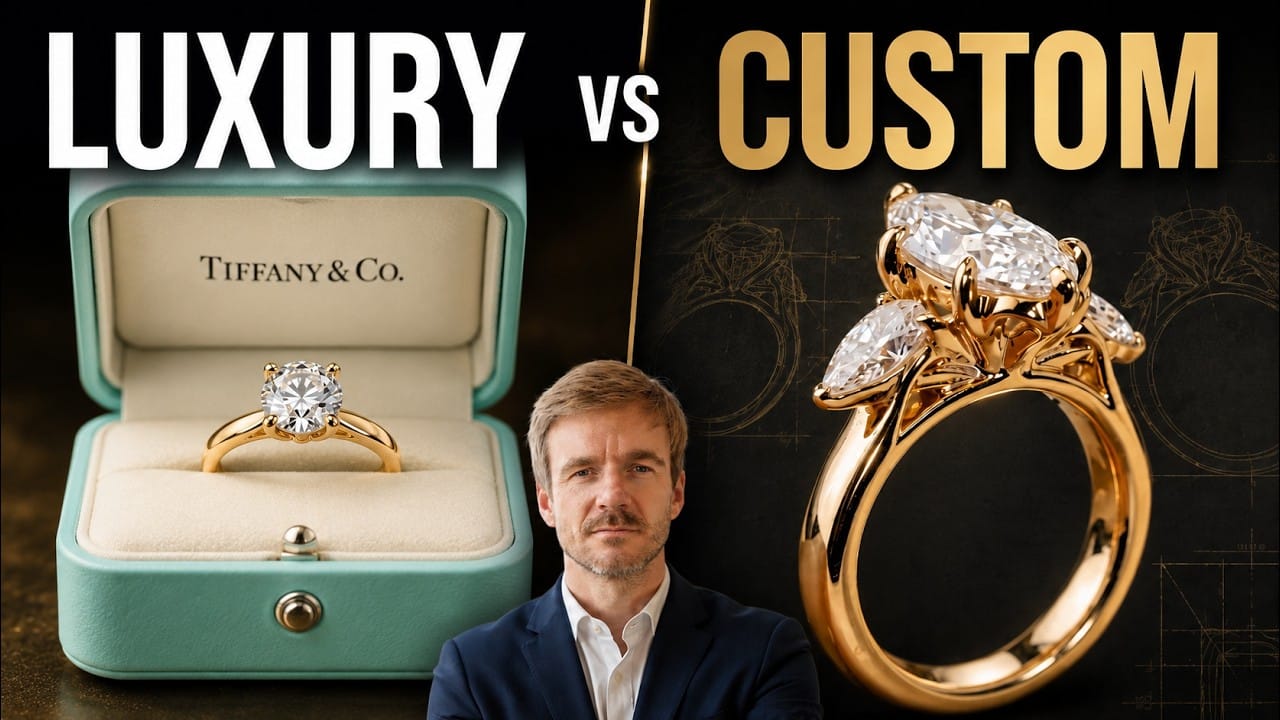
A ready-made ring can carry a deeply personal story, just as a custom ring can. The production route does not measure commitment.
Discuss expectations if the ring is a surprise. A familiar tradition should not override the wearer’s preferences or practical needs.
Treat customs as varied rather than universal
Ring customs differ within countries, families, communities and faiths. A short list of national rules can obscure that variation.
Historical museum objects document specific practices, such as interlocking gimmel rings associated with marriage. They do not show that every modern couple follows one unchanged tradition.
If a particular religious or family practice matters, confirm it with the people involved rather than relying on a broad jewelry article.
There is no requirement in this guide to use one hand, one metal or one wearing order. Let the actual tradition and personal preference guide the arrangement.
Decide whether one ring or two suits the wearer
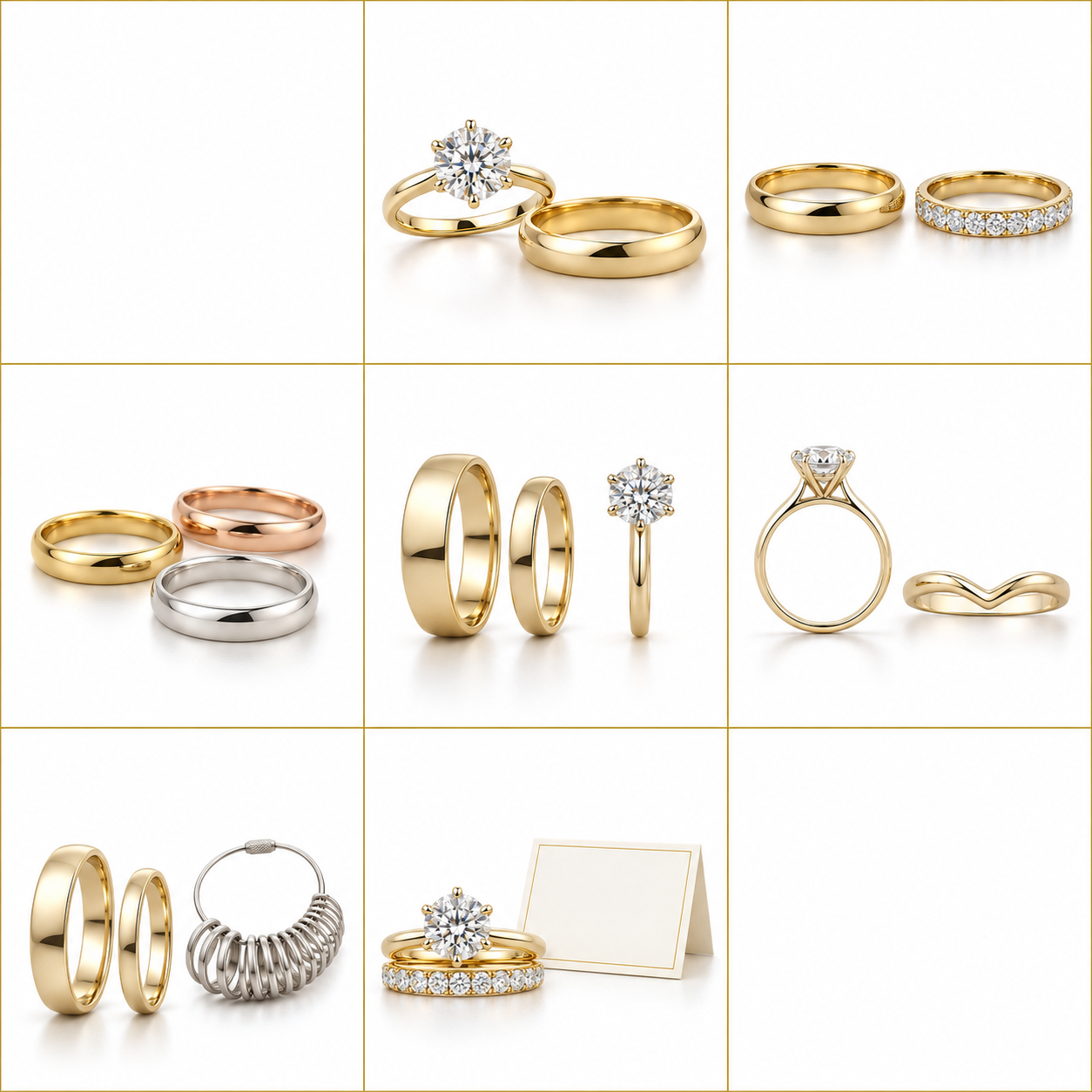
Some people enjoy an engagement ring and a separate wedding band. Others prefer one ring for both roles or wear different pieces on different occasions.
A second ring is not necessary to make the first one complete. Consider comfort, routine and the appearance the wearer enjoys.
One partner may want two pieces while the other wants one. Coordinating those decisions does not require identical designs or expenditure.
If a later band is planned, mention it during the engagement-ring design. That can help establish realistic clearance and sizing options.
Compare materials and construction for both roles
Gold, platinum and other materials have different properties, alloy compositions and service options. The ring’s ceremonial label does not identify the actual material.
Gemstone identity, treatment and condition matter in either design. A wedding band with delicate stones is not automatically suitable for unrestricted daily wear.
Ask about supporting dimensions, edges and finish. A plain surface can conceal a thin or unsuitable structure just as a decorative ring can be thoughtfully constructed.
Known sensitivity concerns should be discussed using the actual alloy components. No general precious-metal label suits every wearer.
Check how the two rings meet
A gallery or low setting can prevent a straight band from sitting flush. Assess the actual side profile and the contact between pieces.
A shaped band, deliberate gap or separate-hand arrangement can be part of the plan. A gap is not automatically a defect.
Look for rubbing near stones, prongs and metal edges. A pleasing front photograph does not show every contact point.
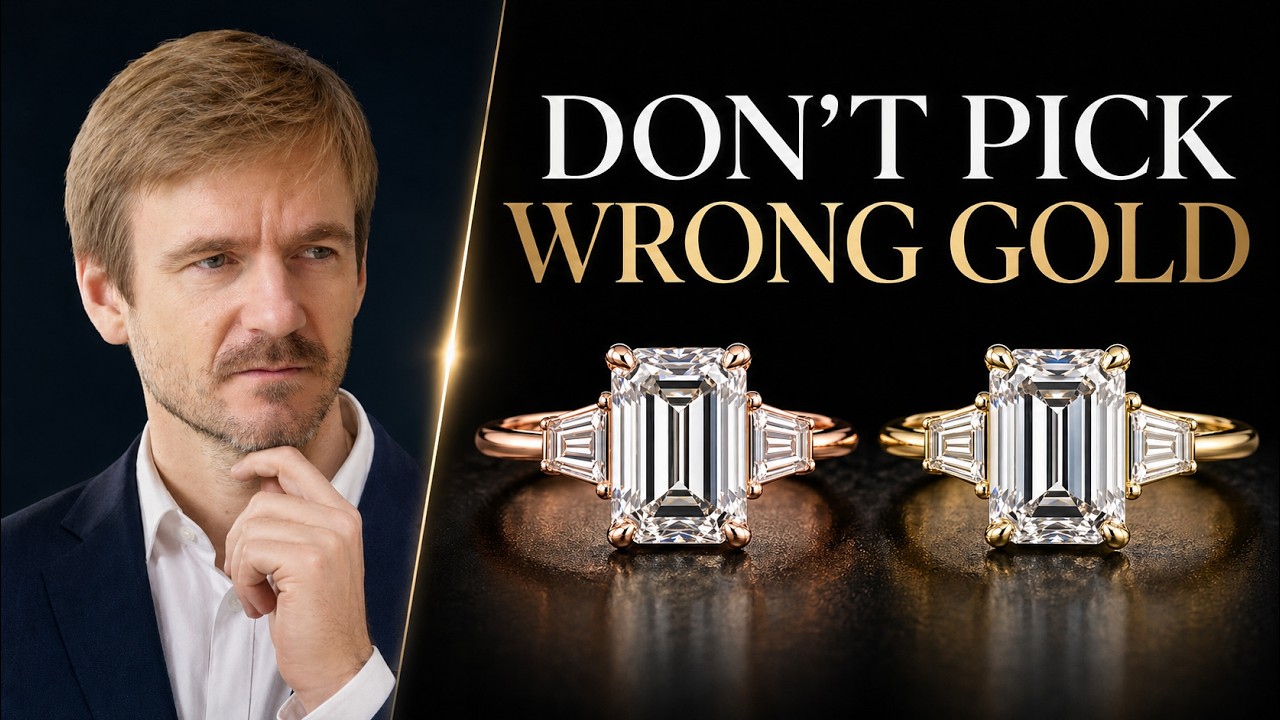
If the engagement ring already exists, bring its actual dimensions and suitable views to the conversation. A matching set needs more than similar metal color.
Measure for the actual wearing arrangement
Combined width can feel different from one ring alone. Size with the intended width and interior profile in mind.
Check comfort against neighboring fingers and the ease of normal movement. A ring that looks balanced on screen may feel different on the hand.
Ask about resizing and alteration limits before approving continuous stone coverage, extensive patterns or unusual material combinations.
Remove jewelry for machinery, impact and other tasks where it is unsuitable. Calling a piece a wedding band does not make every activity safe.
Plan the budget around complete current offers
An engagement ring is not necessarily more expensive than a wedding ring. Actual gemstones, materials, work and included services determine the quotation.
There is no required salary formula or equal-spending rule. Decide what works for the couple and the actual choices.
Confirm materials, dimensions, personal details and current delivery or alteration terms before ordering. An engraved piece may have different conditions from an unmodified one.
A symbolic role does not guarantee future resale or heirloom suitability. Continued care and practical service matter alongside personal meaning.
Make the arrangement yours
At NinaVova, the wearer’s preferences and actual ring dimensions can guide a coordinated plan. One ring or two can each be a considered outcome.
A shared finish, hidden inscription or subtle line can connect different pieces without copying every detail.
Keep the final specifications and care records for each ring. Later repairs should take the actual materials and condition into account.
The useful distinction is the role you give the ring. Choose the design and wearing arrangement that support that meaning comfortably.

Frequently asked questions
Must an engagement ring have a large diamond?
No. Its role does not require one fixed gemstone or design.
Do I need two separate rings?
No. Choose the arrangement that suits the wearer and any relevant tradition.
Should a wedding band always sit flush?
No. A deliberate gap or shaped band can be part of a suitable plan.
Plan the arrangement the wearer actually wants
We can consider one ring or a coordinated pair, with attention to actual dimensions, comfortable fit and practical service.
Book a NinaVova consultation or explore our custom design process.
Continue reading: Matching bands · Personalized bands · Design consultation.
Sources and further reading
- GIA: Guide to ring settings and styles
- GIA: Accurate ring sizing
- The Met: Gimmel ring historical example
- NinaVova: Current project and service terms
Confirm the actual materials, condition, evidence and current written terms for the offered ring. Illustrations do not establish identity, provenance, certification or an environmental footprint.