

F vs G Diamond Color: Appearance, Reports and Value

F and G are adjacent grades on the GIA D-to-Z diamond color scale. F falls in the colorless category and G in near colorless, but that boundary does not create a universal visible difference or determine the whole diamond’s beauty. Compare the actual stones, report scope, cutting, clarity, dimensions and complete price before deciding whether the color difference matters to you.
Compare the actual diamonds rather than the category boundary alone. F is colorless and G near colorless on the GIA D-to-Z scale. Visibility varies, and the preferred whole diamond depends on appearance, specifications and the actual price difference.
At a glance · Place F and G on the scale accurately · Distinguish laboratory grading from normal viewing · Read the report and verify the stone’s description · Consider shape and actual dimensions
Watch the NinaVova discussion
Watch the original NinaVova video on YouTube.
The NinaVova buying-claims discussion is a related companion for evaluating reports and sales descriptions. This guide specifically explains the F-versus-G color decision.
F vs G: grade and complete-ring comparison
| Consideration | F | G |
|---|---|---|
| GIA category | Colorless | Near colorless |
| Position | Adjacent to G | Adjacent to F |
| Everyday visibility | Depends on actual viewing context | Depends on actual viewing context |
| Sparkle | Not determined by color letter alone | Not determined by color letter alone |
| Metal | Compare intended design | Compare intended design |
| Price | Use a current equivalent quote | Use a current equivalent quote |
Place F and G on the scale accurately
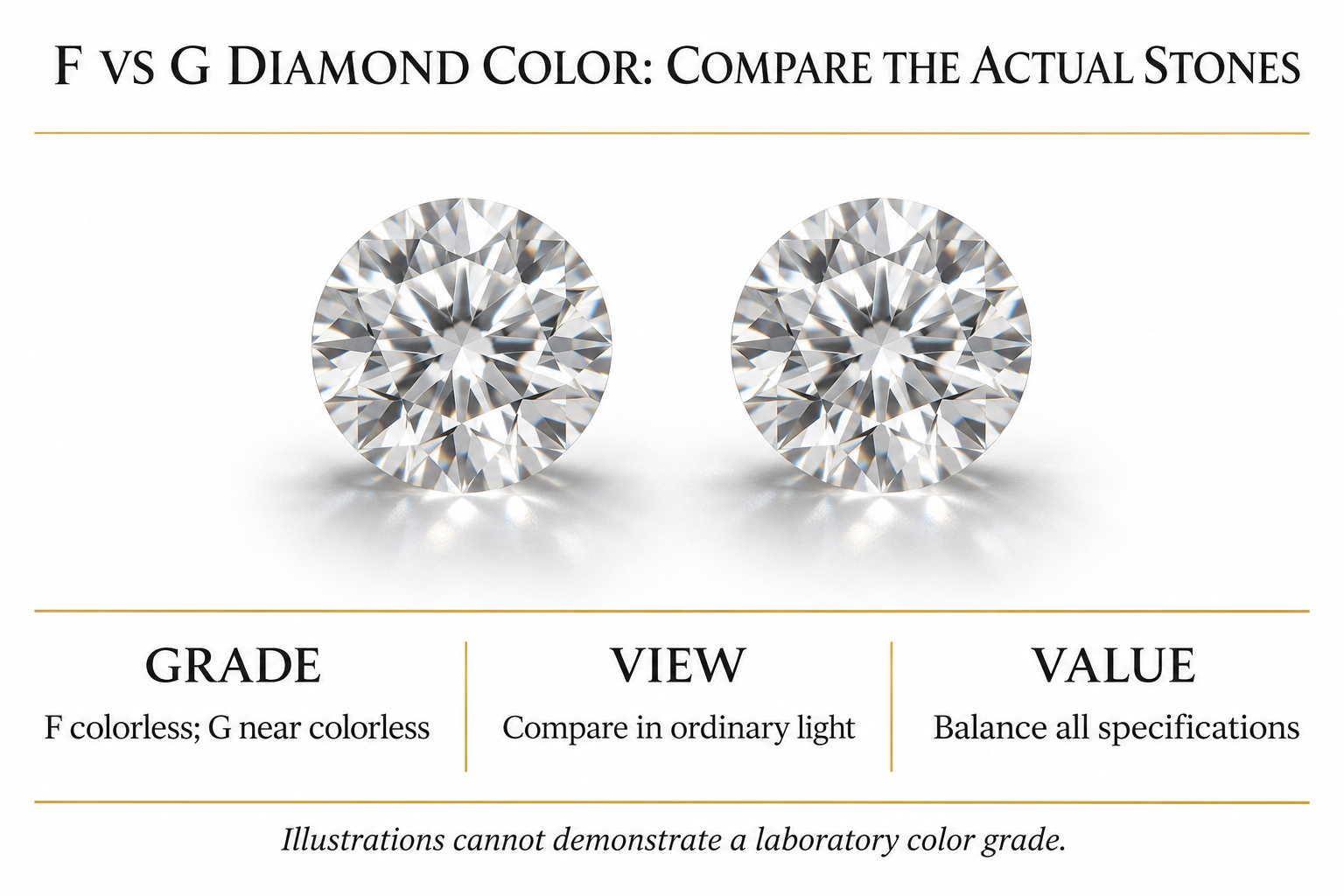
The GIA D-to-Z scale describes degrees of color in its applicable range. F is within the D-to-F colorless category, while G begins the G-to-J near-colorless category.
These category names should not be confused with clarity. An F color diamond is not necessarily flawless, and a G color diamond is not automatically visibly yellow.
Fancy-color diamonds use different descriptions. The F-versus-G decision is not the same as choosing between colorless and fancy yellow jewelry.
Begin with an accurate report for the actual stone. A seller’s general color range for a collection may not describe one specific center.

Distinguish laboratory grading from normal viewing
Color grades are assigned under controlled conditions using comparison standards. A casual face-up view in a finished setting is a different task.
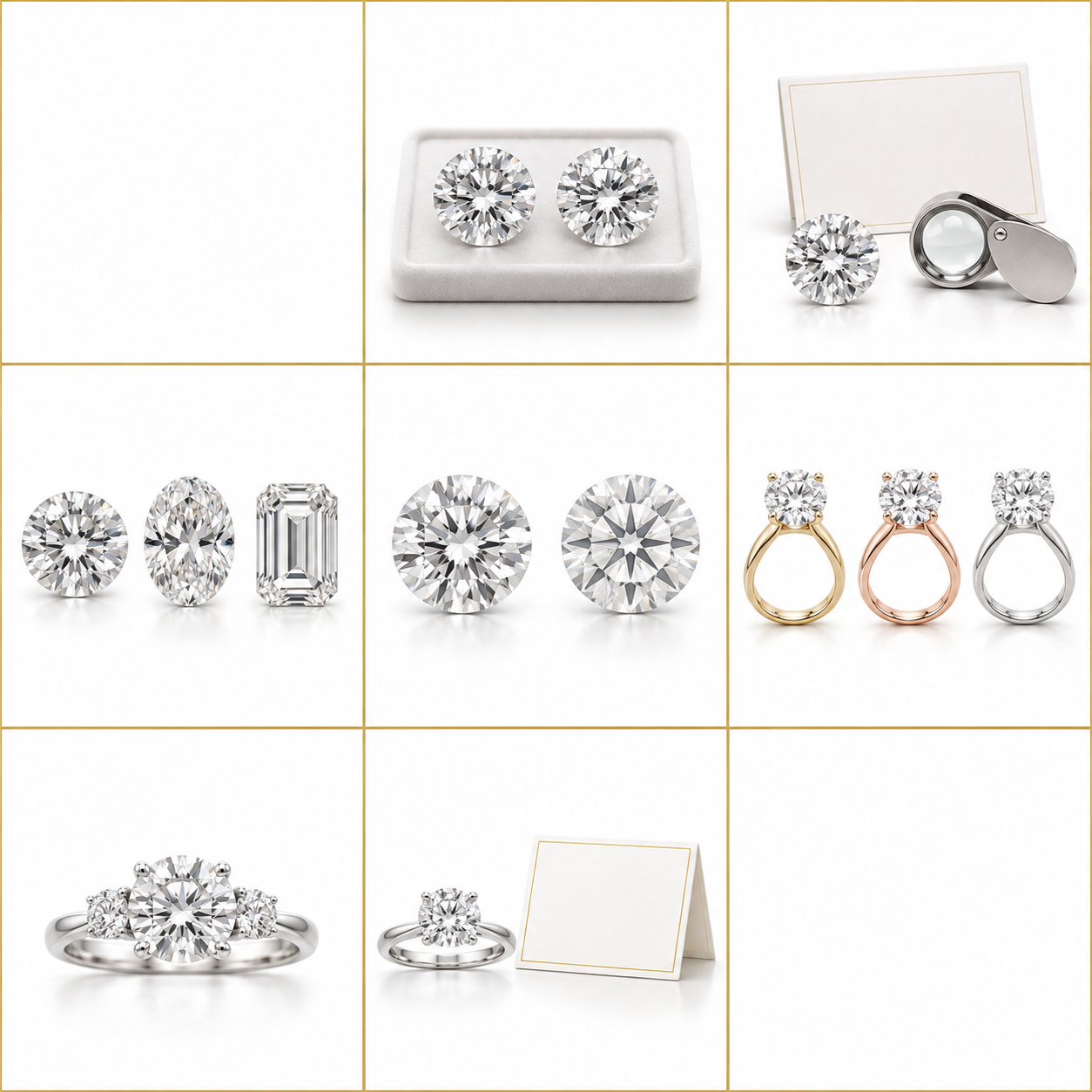
Adjacent grades can look very similar, but visibility varies with the actual stones, observer, size, shape, lighting and setting.
Compare both in ordinary viewing conditions where possible. Avoid claiming that nobody can see a difference or that everyone will notice it.
Illustrations and screen images cannot demonstrate an exact laboratory grade. Do not use a deliberately exaggerated yellow image to represent every G diamond.
Read the report and verify the stone’s description
Check the issuing laboratory, report number and relevant descriptions. Read natural or laboratory-grown status separately from the color letter.
Verify report details through the issuer’s official service where appropriate. A record lookup helps confirm information without replacing identification of the actual supplied stone.
Clarity, weight, measurements and relevant treatment or comments belong in the comparison as well. Do not choose using the color field alone.
A grading report is not a guarantee of mine origin, ethical production, retail value or resale performance. Ask separately for evidence within those scopes.
Consider shape and actual dimensions
Different shapes and proportions can present color differently. A comparison involving two dissimilar outlines may not isolate the effect of one color grade.
Carat measures weight rather than a fixed face-up size. Compare actual dimensions and proportions when considering the complete visual result.
An elongated or step-cut appearance can prompt different preferences from a round brilliant. There is no compulsory minimum grade that suits every wearer in every shape.
Choose actual candidates within your preferred outline and budget. A realistic side-by-side assessment is more useful than a universal grade rule.
Balance color with cutting and clarity
F does not guarantee stronger sparkle than G. Faceting, proportions and finish affect the light pattern, while color describes another aspect of the diamond.
Clarity characteristics vary in visibility and location. A particular G diamond may appeal more than a particular F for reasons unrelated to the letter difference.
Read any cut assessment within the scope of the actual report. Do not assume every fancy shape is assessed identically to a standard round brilliant.
Compare moving views and normal-distance appearance alongside the specifications. A higher color grade should not distract from a pattern you do not enjoy.
View the diamond with the intended metal
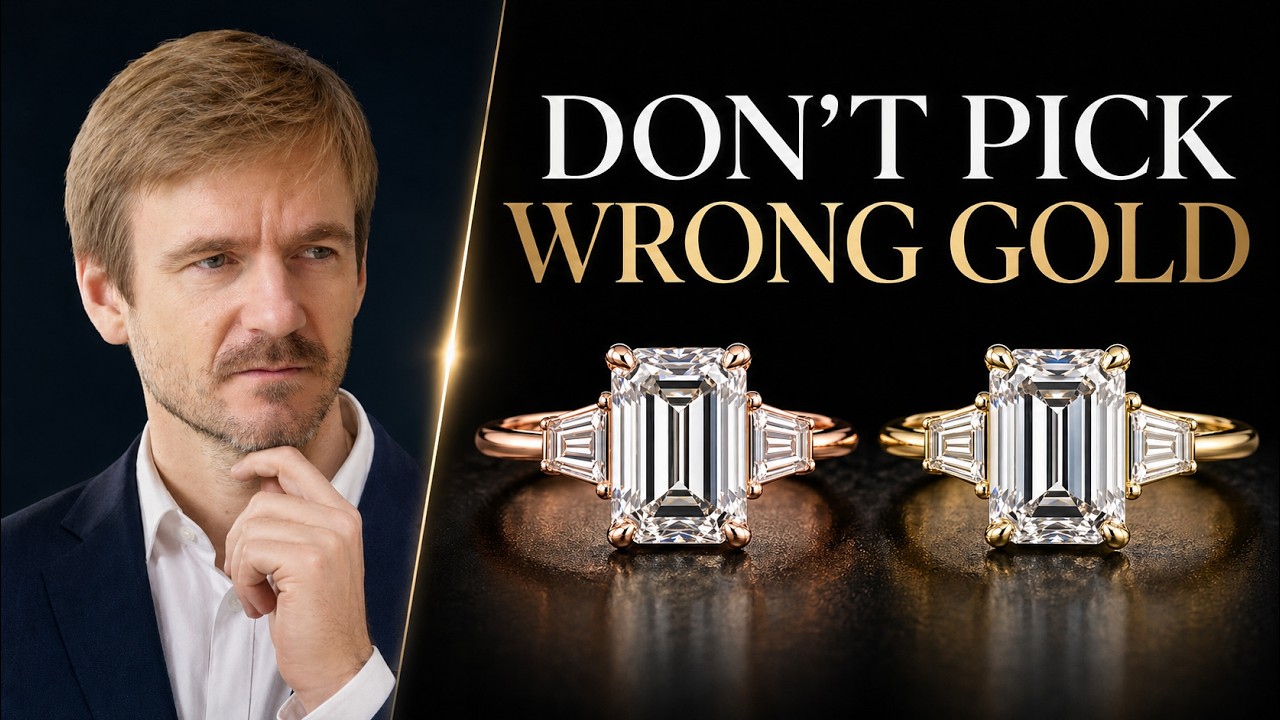
White, yellow and rose tones can change the surrounding visual context. Compare the actual diamond and proposed design rather than relying on a fixed matching rule.
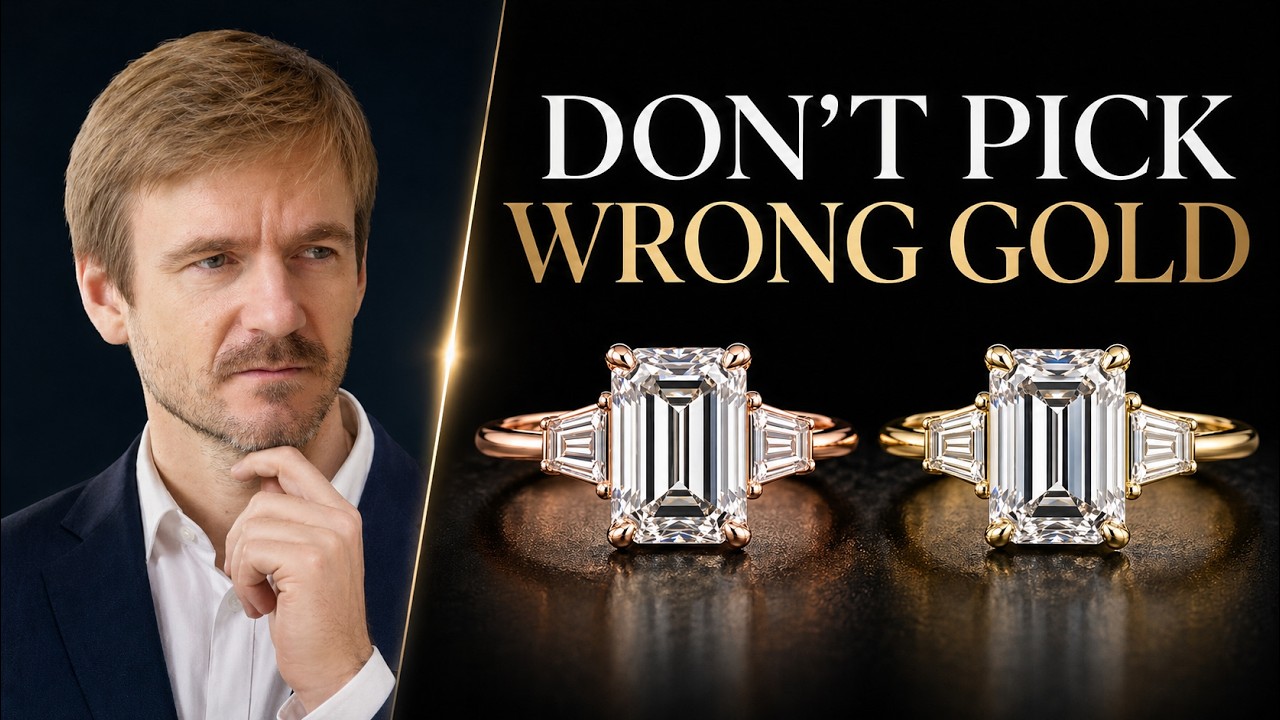
A warm metal can affect perceived color, but it does not turn G into F or establish an illusion of a different laboratory grade.
White gold and platinum are different materials with their own alloy, finish and service considerations. Their prices are not universally related by one fixed fraction.
Specify the actual metal and any plating. Aesthetic preference, comfort and maintenance should guide the choice alongside the center’s appearance.
Consider neighboring stones and the complete ring
A center viewed alone may appear different beside side stones, a halo or an existing wedding band. Assess the intended arrangement.
Ask how accent stones are described and selected. A general range for small stones is not necessarily an individual grade for every one.
An exact numerical match is not the only route to a pleasing composition, but any intended contrast should be clear rather than an unexpected result.
Check dimensions, profile and comfortable fit as part of the same decision. The preferred color grade does not establish whether the completed ring suits the wearer.
Compare current equivalent quotations
F may carry a premium in an otherwise closely comparable offer, but the actual price depends on the whole specification and availability.
Compare natural and laboratory-grown categories consistently, along with weight, dimensions, cutting, clarity and included work. A broad price claim is not a current quote.
Decide whether the particular visible or documented color difference is worth the actual amount to you. There is no universal best value for every buyer.
Keep report details, terms and included service in writing. A higher color grade does not guarantee a future resale return.
Choose the actual diamond that meets your priorities
At NinaVova, a comparison can begin with the wearer’s preferred shape, appearance and budget, then consider suitable actual candidates.
Existing project photos illustrate design and proportions. They should not be interpreted as proving an F or G grade unless the relevant stone’s documentation establishes it.
Approve the final material description, dimensions and design along with current service conditions. Keep the report record for future reference.
Both grades can be considered without turning the choice into a personality test. Select the whole diamond and complete ring, not the category boundary alone.

Frequently asked questions
Does F color mean flawless clarity?
No. Color and clarity describe different characteristics.
Is G always visibly yellow?
No. Adjacent-grade visibility depends on actual stones and viewing conditions.
Can a setting turn G into F?
No. Perceived context can change without changing the laboratory grade.
Compare suitable candidates within your design
We can weigh actual appearance, shape, dimensions and budget together before confirming a complete ring specification.
Book a NinaVova consultation or explore our custom design process.
Continue reading: Yellow diamonds · Emerald vs princess · Design consultation.
Sources and further reading
- GIA: D-to-Z color grading
- GIA: Diamond quality factors
- GIA: Diamond clarity
- GIA: How to buy a quality diamond
Confirm the actual materials, condition, evidence and current written terms for the offered ring. Illustrations do not establish identity, provenance, certification or an environmental footprint.