
Engagement and Wedding Rings for Active Lifestyles: Design and Care

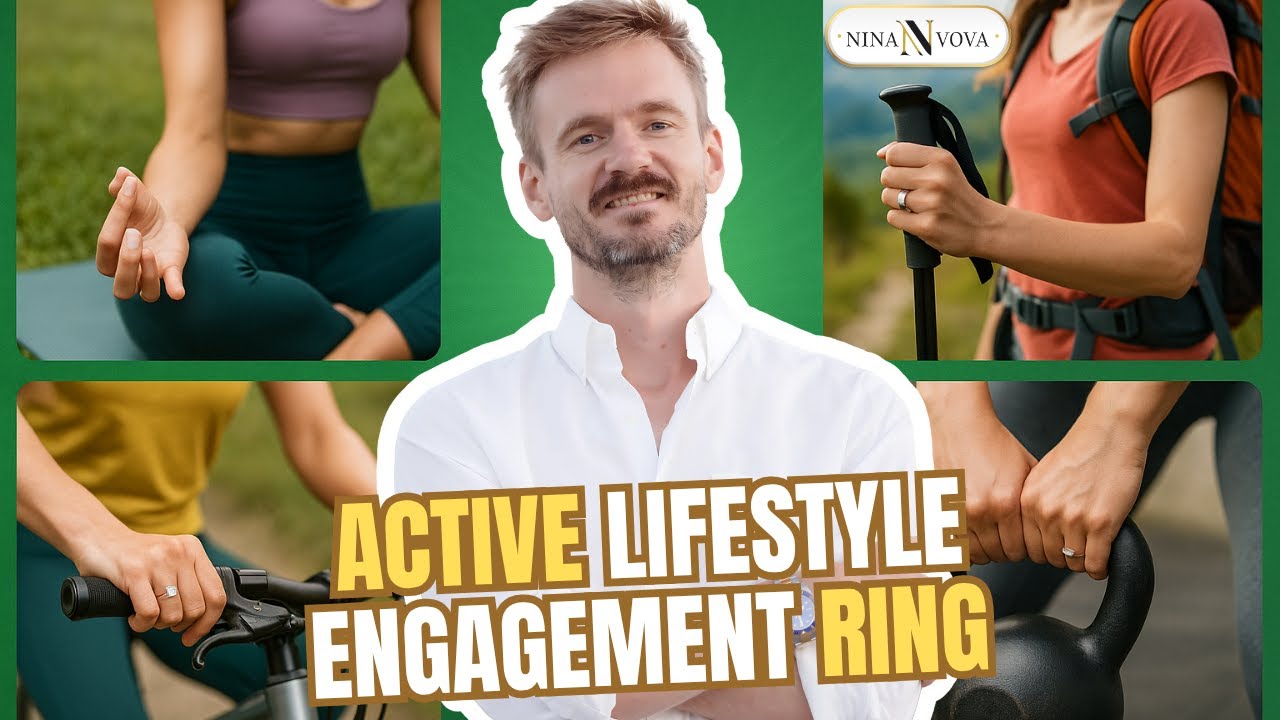
An active lifestyle does not mean giving up a beautiful engagement ring. It means choosing a considered design and knowing when to take it off. The same practical questions apply to a wedding band: comfort, materials, exposure and a realistic wearing routine.
Choose a practical ring and a realistic wearing routine. Low settings and suitable materials can help with ordinary wear, but no ring is suitable for every activity. Remove it for lifting, climbing, contact sports and work where it can catch or be compressed.
At a glance · Start with the activities, not a durability promise · Choose a setting around the actual stone · Compare metals and complete construction · Match the gemstone to a realistic wearing plan
Watch the NinaVova discussion
Watch the original NinaVova video on YouTube.
The original NinaVova discussion accompanies this written guide. Follow the written guidance on actual materials, evidence and care.
Active-lifestyle choices at a glance
| Concern | Useful design question | Practical habit |
|---|---|---|
| Snagging | Actual height and smooth edges | Remove for catching hazards |
| Stone exposure | Bezel, prongs and vulnerable points | Avoid substantial impact |
| Metal wear | Alloy and complete dimensions | Expect appropriate maintenance |
| Gemstone | Condition, treatment and toughness | Follow material-specific care |
| Matching band | Clearance, contact and comfortable fit | Check changing wear |
| Work and sports | Follow applicable rules | Store the ring securely |
Start with the activities, not a durability promise
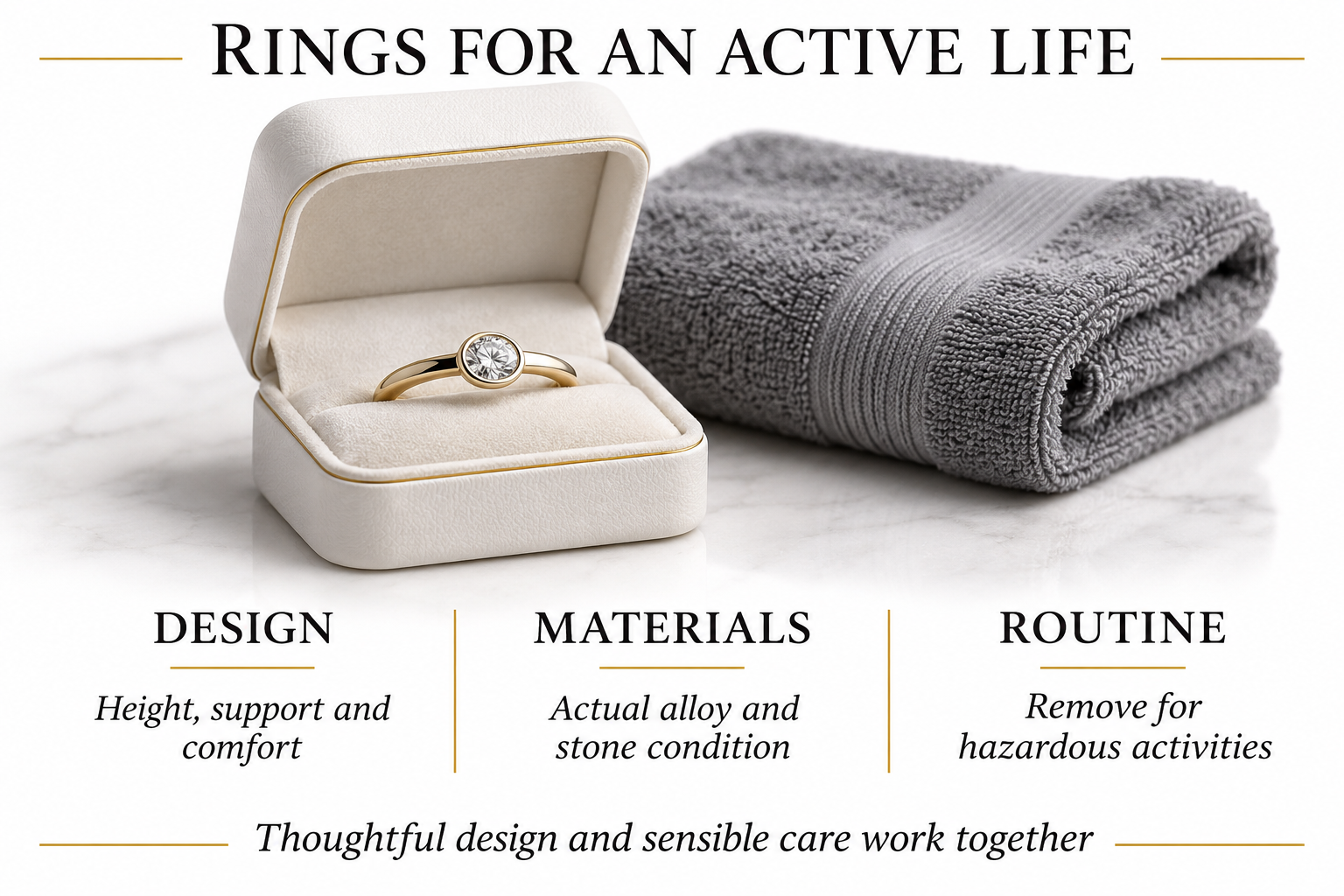
List your work, exercise and hobbies before comparing settings. Desk work, a gentle walk and rock climbing place very different demands on the hand. Think about gripping equipment, contact, snagging, chemicals and repeated pressure rather than using active as a single category.
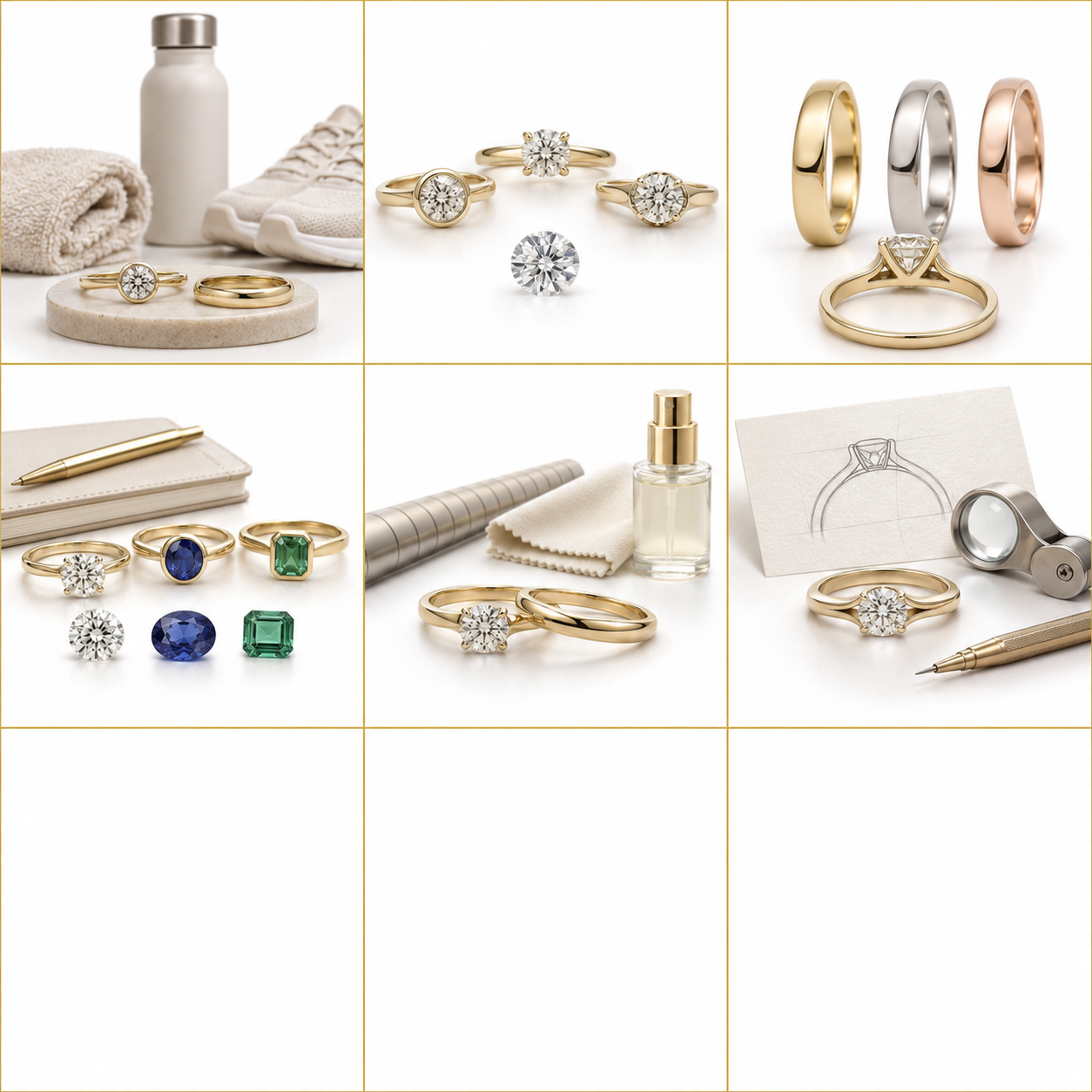
Remove rings for weightlifting, climbing, contact sports, work with machinery and other activities where a ring can catch or place force on the finger. A hard gemstone or low setting does not remove the risk of injury. Cleveland Clinic recommends taking rings off before work with tools or heavy equipment and other potentially dangerous activities.
Plan a secure place for the ring before leaving home. Following workplace and sports rules matters more than choosing a design advertised as indestructible. A replacement band, including silicone, should not be treated as permission to ignore those rules.
Choose a setting around the actual stone
A full bezel surrounds the girdle and can reduce exposure and snagging. It still needs suitable thickness, workmanship and a sound stone. It does not guarantee protection against every impact, and its effect on appearance depends on the design and cutting rather than a fixed loss of sparkle.
A half bezel leaves more of the stone visible, with different exposed areas. Low prongs or a low cathedral can keep the center closer to the hand, provided there is room for the stone, cleaning and a wedding band. Check the actual profile instead of relying on a setting name.
A halo adds small stones, settings and maintenance; it is not a cushion that makes the center impact-proof. Tension designs require specialist engineering, a suitable stone and careful servicing. Scratch hardness alone cannot establish whether a particular gem is appropriate for tension setting.

Compare metals and complete construction
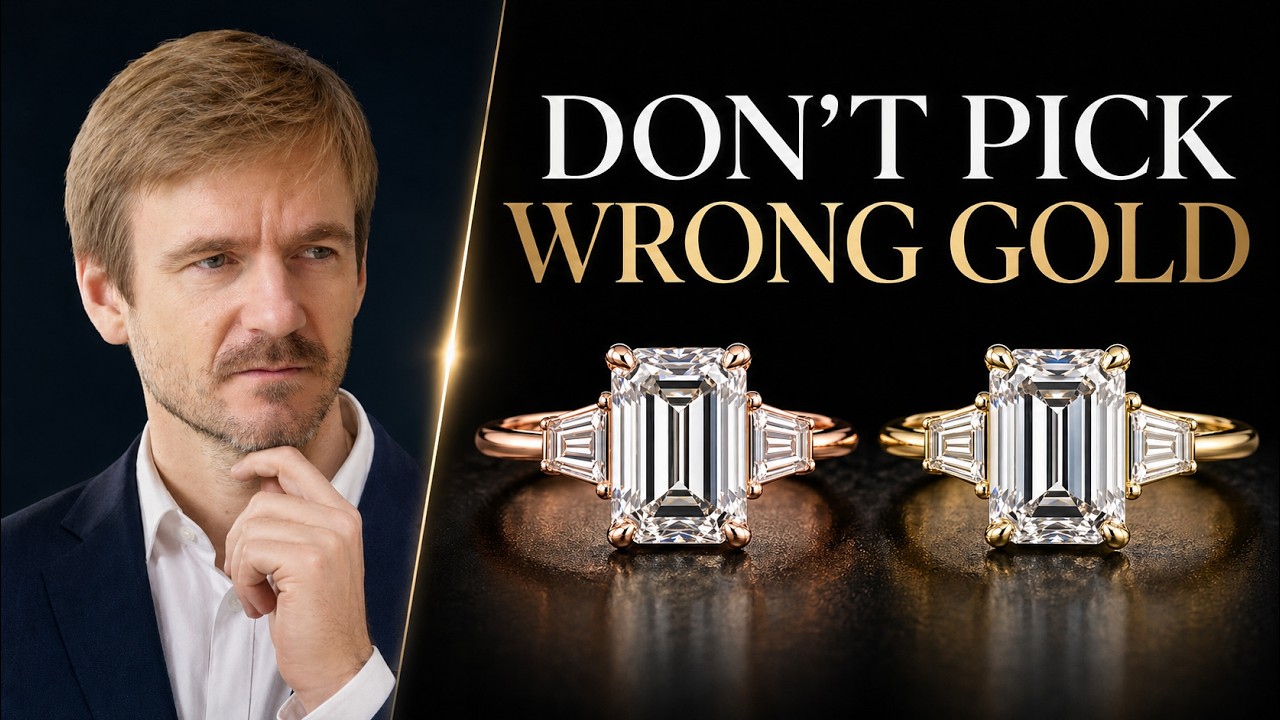
Platinum and suitable gold alloys can both work well in a considered engagement ring. Platinum can scratch and develop a patina. Fourteen-karat gold is not universally stronger than every eighteen-karat alloy: formulation, manufacturing and dimensions affect performance.
Ask about the actual alloy, sensitivity concerns, prong and band dimensions, surface finish and repair plan. White gold may have a rhodium finish that needs maintenance. A very thin band can remain vulnerable even when its metal has a reputation for strength.
Titanium can suit some bands, but resizing and repair options differ from conventional gold or platinum. Silver also has its own wear and maintenance considerations. Evaluate the particular product rather than declaring every nontraditional material unsuitable or every platinum ring automatically hypoallergenic.
Match the gemstone to a realistic wearing plan
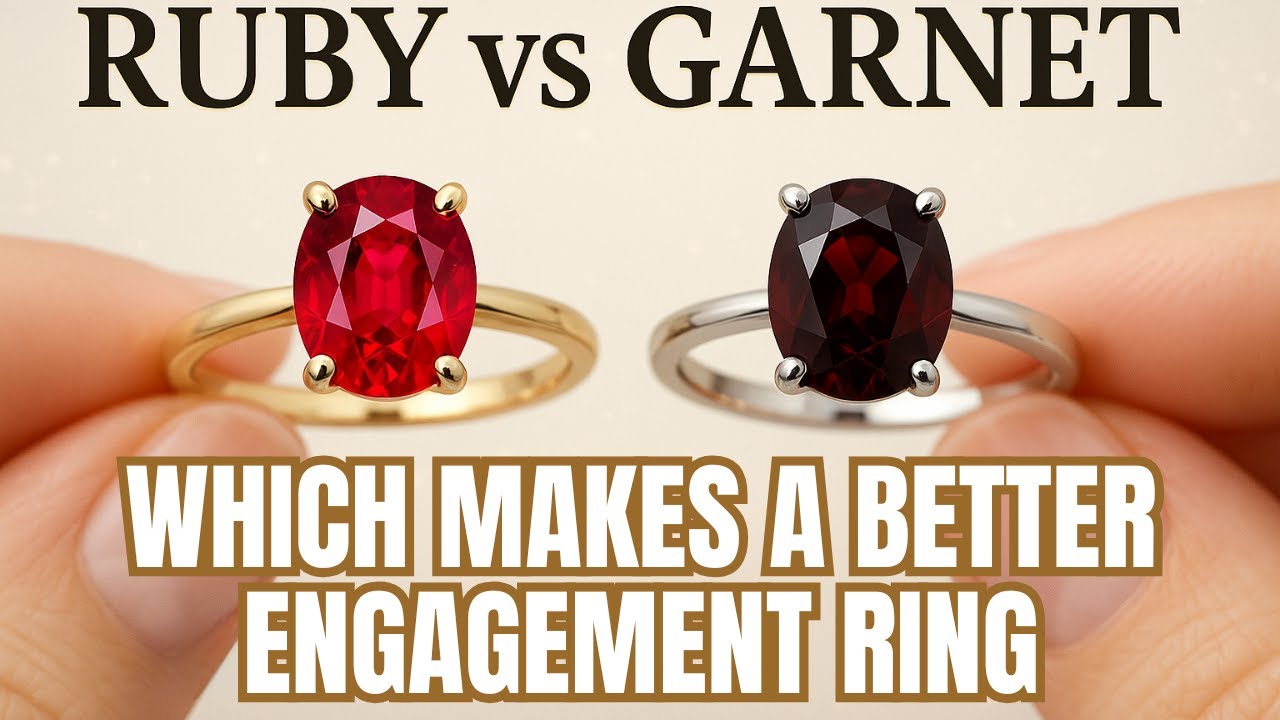
Diamond, sapphire, ruby and moissanite offer high scratch resistance, but all need considered handling. Diamond can chip; hardness is not the same as toughness. Spinel can also be an appealing option when condition, setting and daily exposure are considered.
Aquamarine and morganite require care around impact and vulnerable areas. Emerald, opal, pearl and tanzanite generally require a more cautious wearing plan. The right question is whether you are comfortable with that plan, not whether a single Mohs number proves every gem safe.
Treatment, existing fractures, exposed corners and accent stones can change the requirements of the complete ring. Discuss those details before ordering and before cleaning or repair.
Plan the band, fit and maintenance together
A smooth wedding band can reduce protrusions but can still catch or be compressed. Check width, thickness and fit with the engagement ring, including how the rings touch. Neither a slim silhouette nor an engraved surface guarantees comfort for every hand.
Ask the maker to demonstrate clearance and explain likely wear where rings meet. Keep settings checked, follow cleaning advice for the actual materials and stop wearing a ring that has a loose stone, damaged prong or changed fit.

Use custom design to solve a specific brief
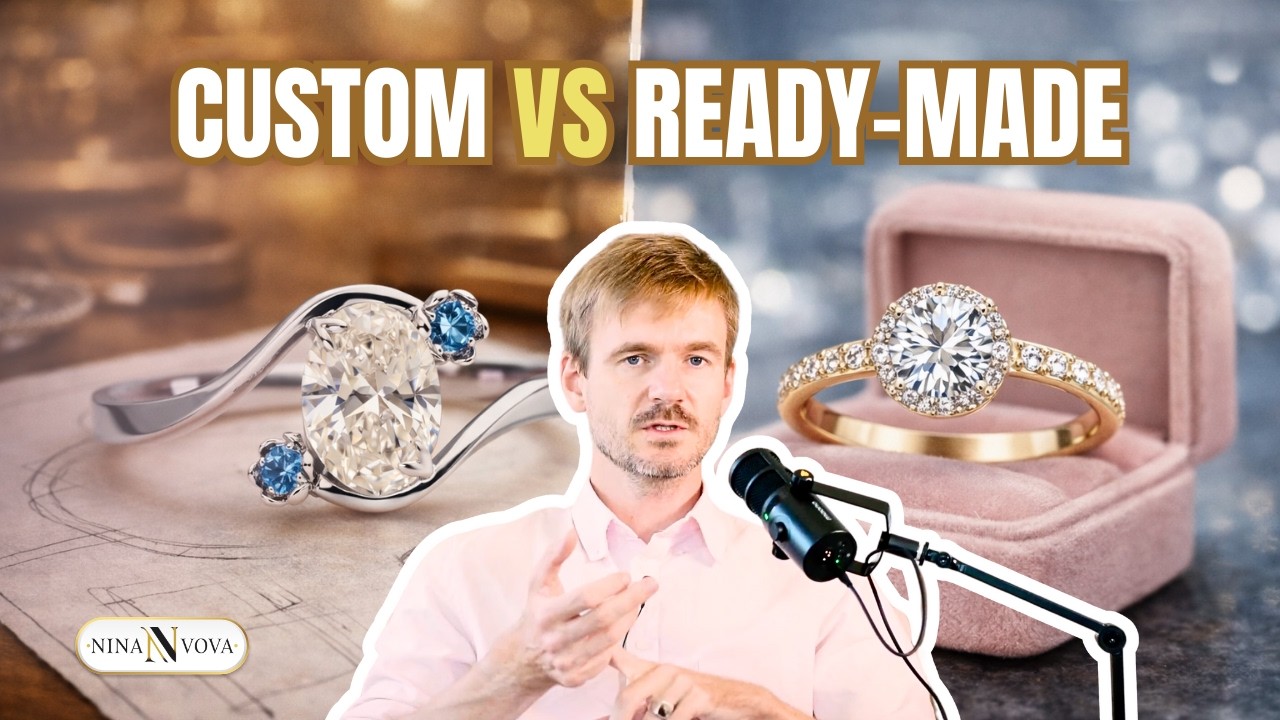
Custom work can address the height, stone protection, proportions, personal details and matching band together. An existing design may also meet your needs; compare actual construction rather than assuming custom is always safer.
Bring a clear account of your routine and the activities for which you will remove the ring. A good result balances the appearance you love with sensible care, workable service terms and an honest understanding of its limits.
Frequently asked questions
Can I keep a durable engagement ring on for weightlifting?
Remove it. A hard stone or low profile does not prevent pressure, catching hazards or injury.
Does platinum stay scratch-free?
No. It can scratch and develop a patina; alloy, construction, finish and use affect its appearance.
Is a low setting always more practical?
It can reduce protrusion, but stone depth, support, cleaning, fit and wedding-band clearance still need review.
Design around your actual routine
Tell us about your work, hobbies, preferred gemstone and matching band. We can discuss practical proportions, service needs and a design you enjoy wearing.
Book a NinaVova consultation or explore our custom design process.
Continue reading: Ring-setting choices · Everyday metal choices · Ring anatomy.
Sources and further reading
- NinaVova: Active-lifestyle ring discussion
- Cleveland Clinic: Ring-avulsion prevention
- GIA: Sapphire care
- GIA: Diamond care
- FTC: Precious-metal descriptions
Based on NinaVova’s original writing, with supporting references below. Ask for current details about the actual stone, treatment, complete design and service terms.