
18K Gold Rings: Purity, Alloys, Settings and Buying Questions

An 18K gold ring contains 75 percent gold by weight, with the remaining 25 percent made up of other alloying metals. That number is useful, but it does not describe every aspect of the finished ring. Compare the actual alloy, color, construction, stone settings, fit and service terms before choosing.
18K describes gold proportion; assess the complete ring. An 18K alloy contains 75 percent gold by weight. The remaining metals, finish, construction, stones and fit determine other practical aspects of the purchase.
At a glance · Understand what 18K and 750 describe · Ask about the remaining alloy and any surface layer · Compare yellow, rose and white appearances · Assess durability through the complete construction
Watch the NinaVova discussion
Watch the original NinaVova video on YouTube.
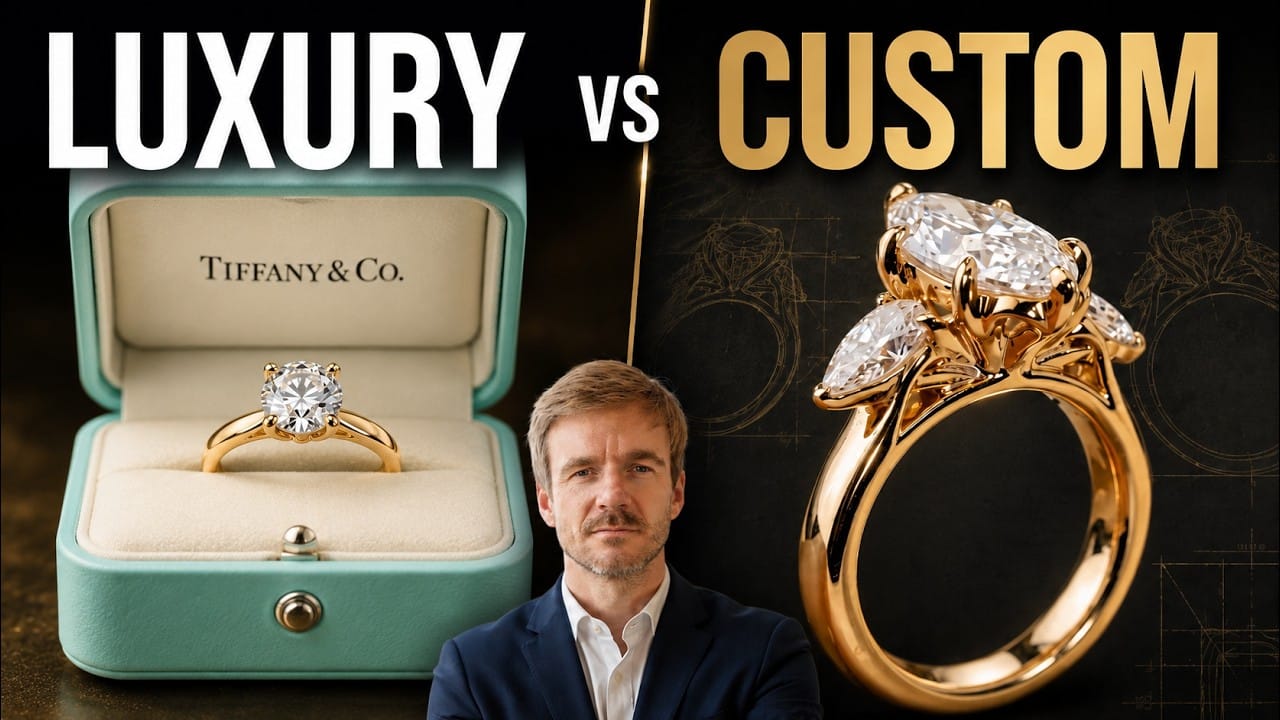
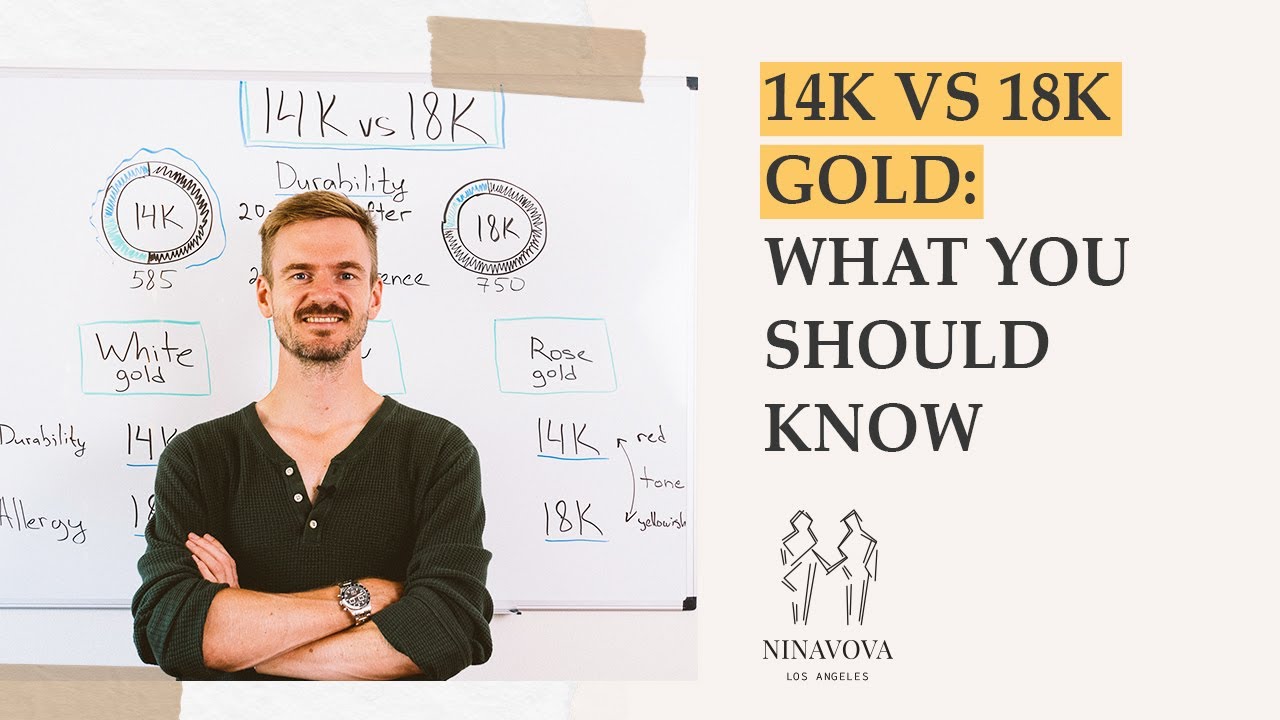
The NinaVova 14K-versus-18K discussion provides the direct comparison. This article adds a focused checklist for assessing an offered 18K ring.
18K gold ring: read the complete specification
| Description | What it means | What remains to check |
|---|---|---|
| 18K or 750 | 75 percent gold by weight | Other alloy components and finish |
| Yellow, rose or white | A gold-alloy color | Actual formula and any plating |
| Solid or layered | Different constructions | Accurate written material description |
| Setting style | How stones are arranged or held | Dimensions, support and finish |
| Fit | Intended size and profile | Width, neighboring bands and alteration limits |
| Price | The complete offered piece | Materials, work and included service |
Understand what 18K and 750 describe
Karat is a measure of gold fineness, not gemstone weight. An 18K or 750 description indicates a gold proportion of 18 parts in 24, or 750 parts per thousand.
Carat, used for gemstone weight, is a different term. A ring’s metal fineness and the weight of its diamond should be specified separately.
An 18K designation does not tell you the ring’s total weight, the identity of the remaining metals or whether there is an additional surface treatment.
Request an accurate material description on the invoice and interpret markings in context. A stamp alone is not a complete independent assessment of the finished piece.

Ask about the remaining alloy and any surface layer
Gold is combined with other metals for color and working properties. Two 18K alloys can have the same gold proportion while differing in composition and behavior.
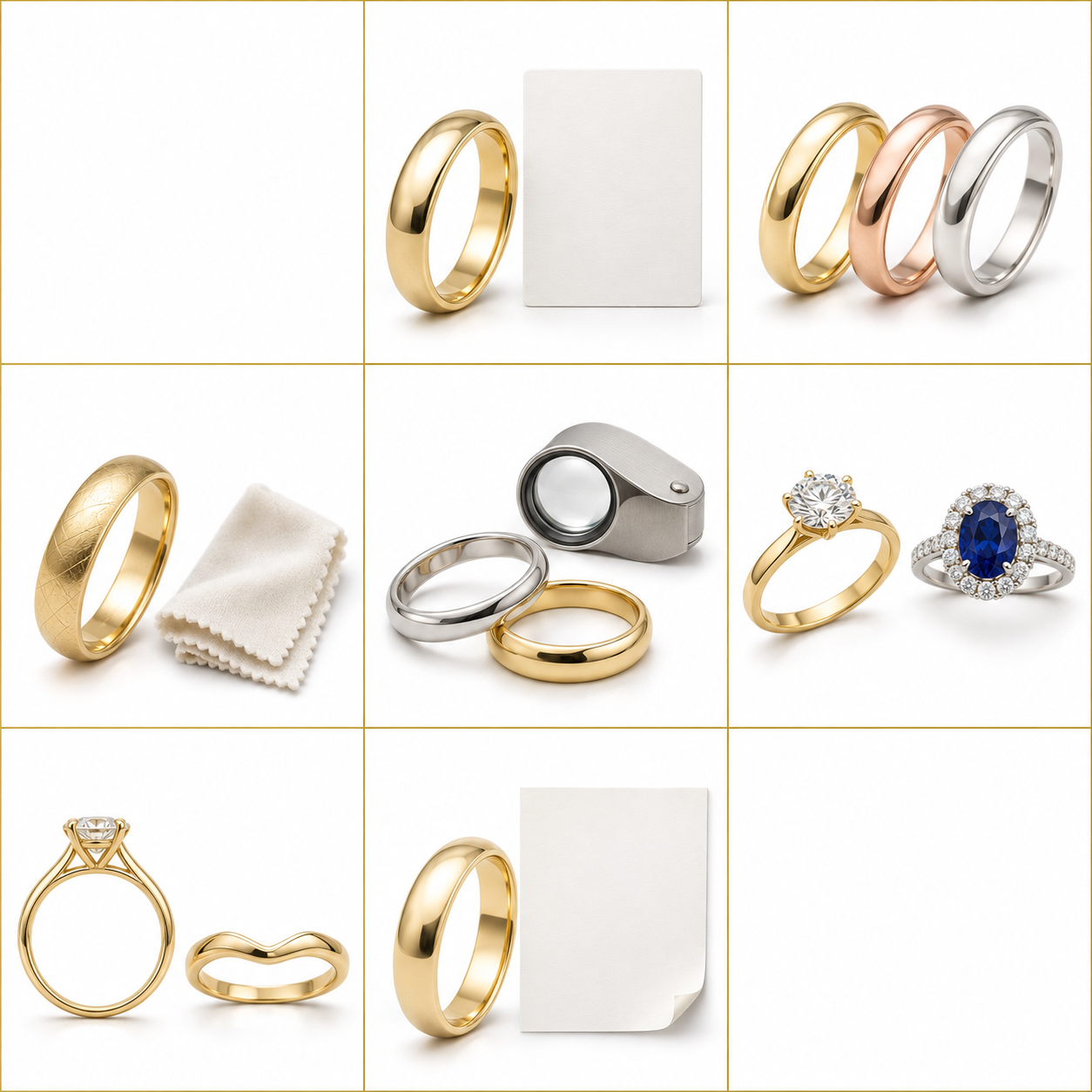
Ask which alloy is proposed, especially if the wearer has known sensitivities or a particular service requirement. Higher gold content is not a universal guarantee of compatibility.
Solid gold, gold plating and other layered products need distinct descriptions. A gold-colored surface or an 18K surface-layer claim should not be mistaken for solid 18K throughout.
If plating or another treatment is present, ask how it may wear and what maintenance is available. The body material and surface deserve separate attention.
Compare yellow, rose and white appearances
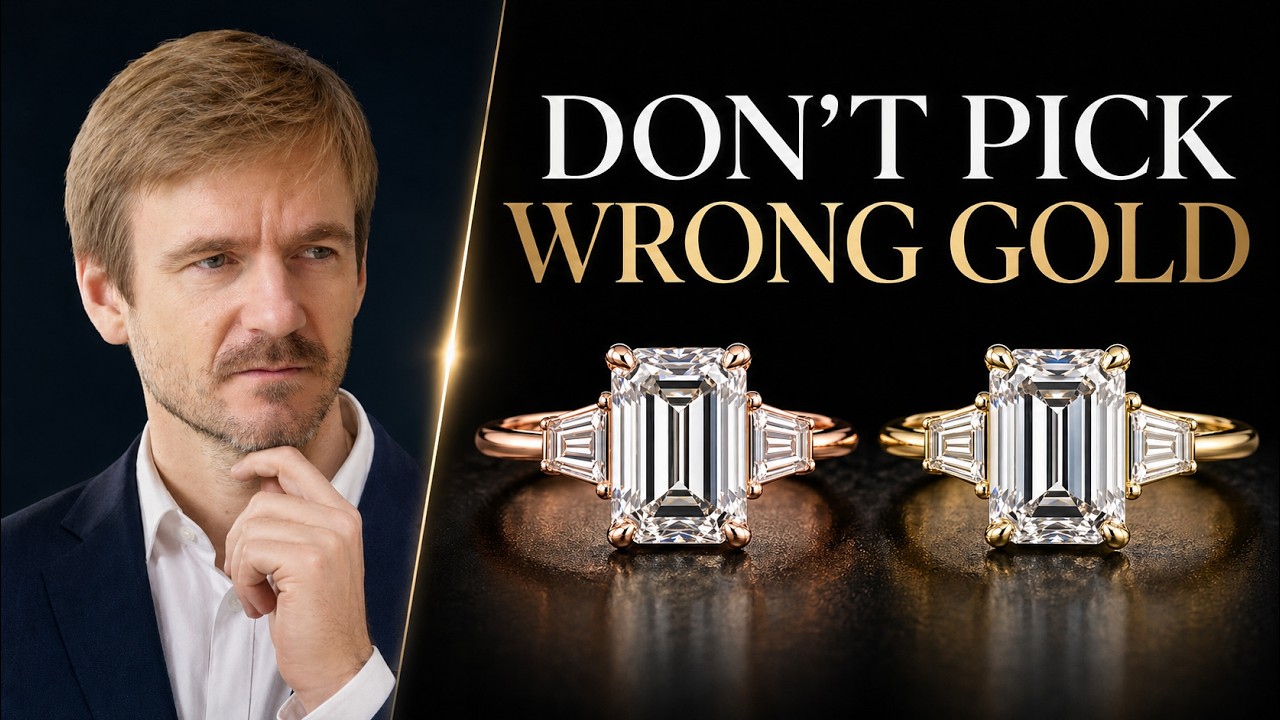
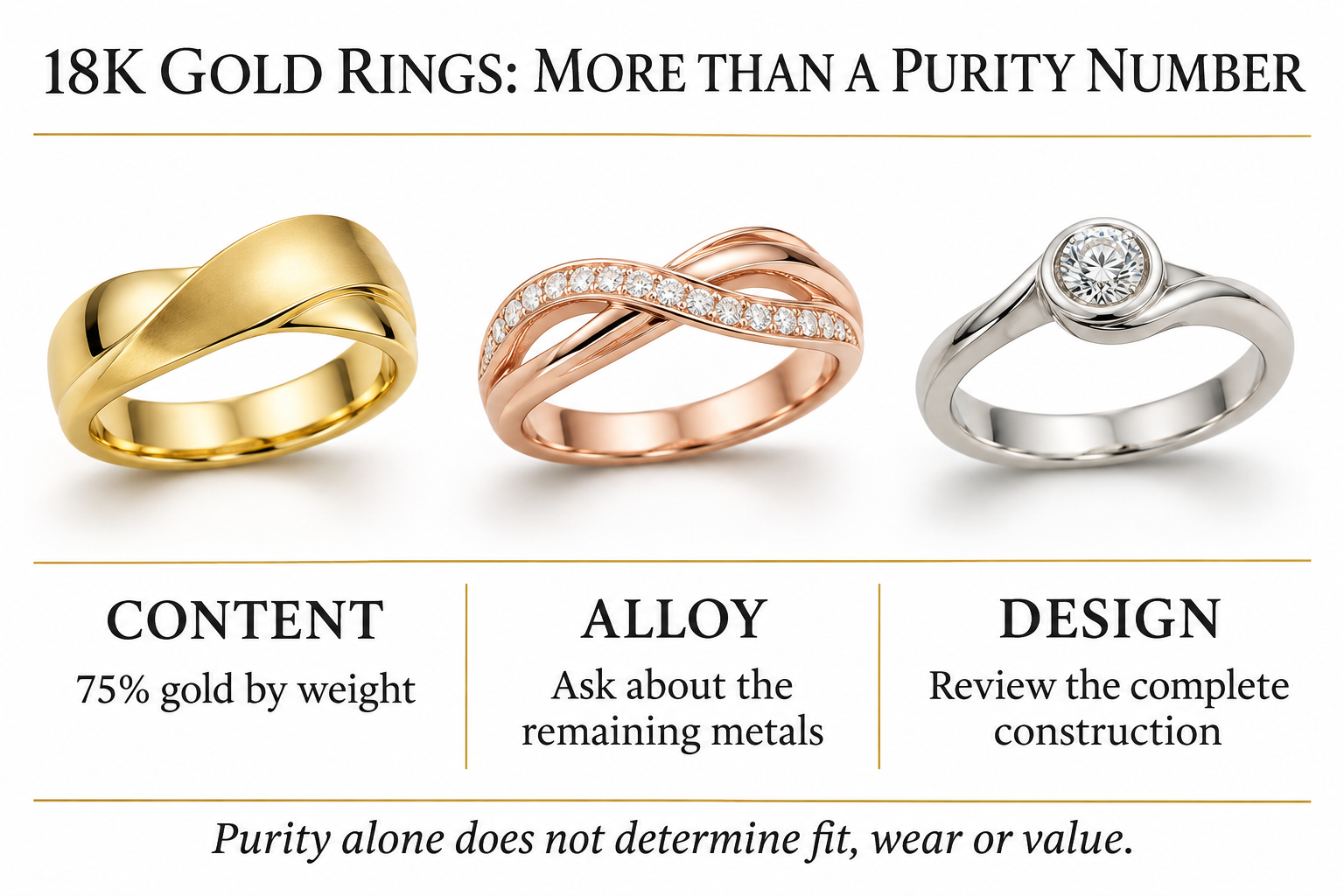
18K gold can be offered in yellow, rose and white alloys. The remaining metals and finish help determine the appearance rather than the gold proportion alone.
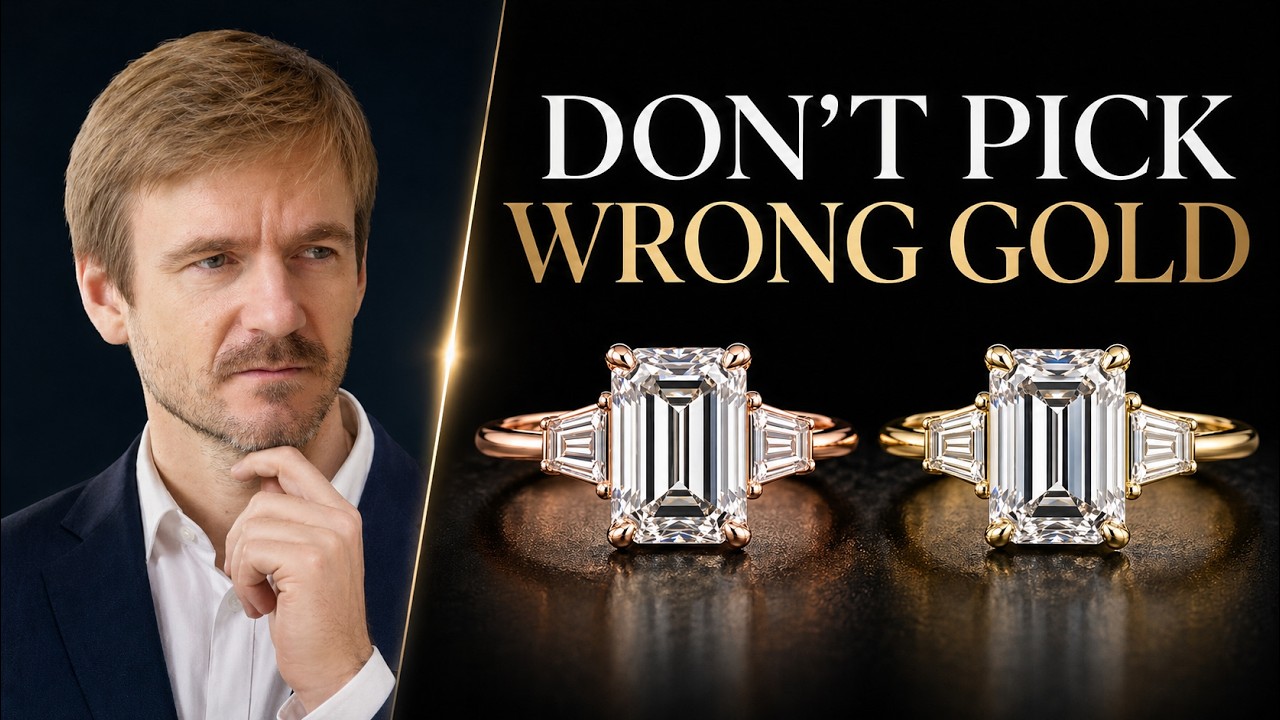
Rose gold commonly uses copper to produce warmth. White gold is an alloy that may also be rhodium plated; it is not simply pure gold with a white layer.
Compare actual shades where matching an existing ring matters. Lighting and photography can change the perceived color, and two nominally matching alloys may still differ.
Choose a color the wearer enjoys beside the actual stone and other jewelry. There is no compulsory skin-tone or gender formula for a gold color.
Assess durability through the complete construction
An 18K ring can be made for regular wear, but the alloy, dimensions, setting and use all matter. Fineness alone is not a complete ranking of scratch, wear or deformation resistance.
A substantial band and a very thin stone-set ring should not be assigned the same practical expectations merely because both are 18K.
Compare support, comfortable edges, smooth interiors and careful setting work. Neither handwork nor a machine-based stage guarantees the final quality on its own.
Remove jewelry for unsuitable work, chemicals and impact. A higher gold proportion does not make a ring appropriate for every activity.
Use 14K and other options as specific comparisons
14K gold contains a lower gold proportion than 18K, while 24K describes much higher fineness. These differences matter without proving which finished ring is best for the wearer.
Compare the actual alloys and designs rather than promising that every lower-karat ring is harder or that every 18K ring has the same rich color.
Complete prices also reflect metal weight, stones, design work and manufacture. A purity comparison is not a complete quotation or a guarantee about future resale.
The dedicated 14K-versus-18K guide can support the comparison, while the final decision should use the specifications and service available for the actual order.
Review settings and gemstones separately
Prongs, bezels, channels and pavé describe different ways of securing or arranging stones. Each needs a suitable construction rather than a promise that one name guarantees security.
Establish gemstone identity, natural or laboratory-grown status and relevant treatment. An 18K setting does not certify the stone it holds.
Compare color, cut-related appearance, dimensions and condition for the actual gemstone. Read any laboratory report within its scope and verify relevant details with the issuer.
Care should suit the most vulnerable component. The metal’s ability to tolerate a cleaning method does not establish that a treated stone, enamel or other detail will tolerate it too.
Check fit, profile and future alterations
Measure the intended finger with attention to band width and interior profile. A wide ring can feel different from a narrow sample in the same nominal size.
Examine the side profile, setting height and likely contact with a wedding band. A straight band may leave a gap or require a different arrangement.
Ask about resizing before choosing extensive stone coverage, patterns or mixed materials. Gold can be worked, but that does not mean every design can be altered without limits.
Confirm engraving dimensions and how future maintenance might affect them. Personal details should be part of the practical specification rather than an afterthought.
Compare complete cost and written terms
Ask for a quotation covering the agreed alloy, dimensions, stones, setting work, personalization and applicable charges. Compare equivalent specifications when assessing alternatives.
An 18K ring should not be promoted as a guaranteed investment or a promise to recover the purchase price. Personal, replacement and resale values are different measures.
Review current delivery, return, alteration and service conditions before approving custom work. Understand which design revisions or later changes are included.
Keep the invoice, final specification and relevant reports together. They provide more useful ownership information than a broad description such as premium gold.
Choose a ring that works beyond its fineness number
At NinaVova, discuss the actual materials available, the wearer’s preferences and the complete design. A project photograph does not establish the alloy of every future order.
If sourcing is important, ask for the specific evidence and scope of the claim. Gold fineness is a different question from recycled content or geographic origin.
Follow care suited to the finished piece and arrange inspection if a setting catches, a stone moves or an impact changes the ring’s shape.
18K is a clear statement about gold proportion. The enjoyable ring is the one whose alloy, appearance, construction, fit and service expectations all suit the person wearing it.

Frequently asked questions
Is 18K the weight of a diamond?
No. Karat describes gold fineness; carat describes gemstone weight.
Does 18K determine every aspect of durability?
No. The alloy, construction and use also matter.
Does an 18K purchase guarantee resale value?
No. Purchase price and resale proceeds are different measures.
Choose the alloy and design together
We can discuss the actual materials, stone and proportions that suit the wearer, then confirm a complete project specification.
Book a NinaVova consultation or explore our custom design process.
Continue reading: 14K versus 18K · Gold surface care · Jewelry brand values.
Sources and further reading
- FTC: Precious-metal descriptions
- Stuller: Different gold-alloy formulas
- GIA: Gold colors and ring choices
- NinaVova: Current project terms
Confirm the actual materials, condition, evidence and current written terms for the offered ring. Illustrations do not establish identity, provenance, certification or an environmental footprint.